
Best Blood Pressure Cuffs for Nurses (2026): Manual vs Auto
A manual aneroid set and an automatic home monitor solve different problems, and buying the wrong one is the main mistake in this category.
Read the guide →Manual aneroid sets for learning and practising Korotkoff sounds, and automatic upper-arm monitors for the days you just want a number. We compared cuff sizing systems, manufacturer-stated durability testing and gauge design across six options.
For nursing students the ADC Prosphyg 760 is the pick: ADC states it bench-tests manometers to 30,000 pressure cycles against a 10,000-cycle industry requirement, and the cuff's index and range markings show you when you are mis-cuffed. If you only want a number at home, the Omron Silver BP5250 does that with one button. The tradeoff is that a manual set teaches you something an automatic never will.
Swipe the table sideways to reach all 6 picks — the row labels stay pinned on the left.
| The picks | Editorial #1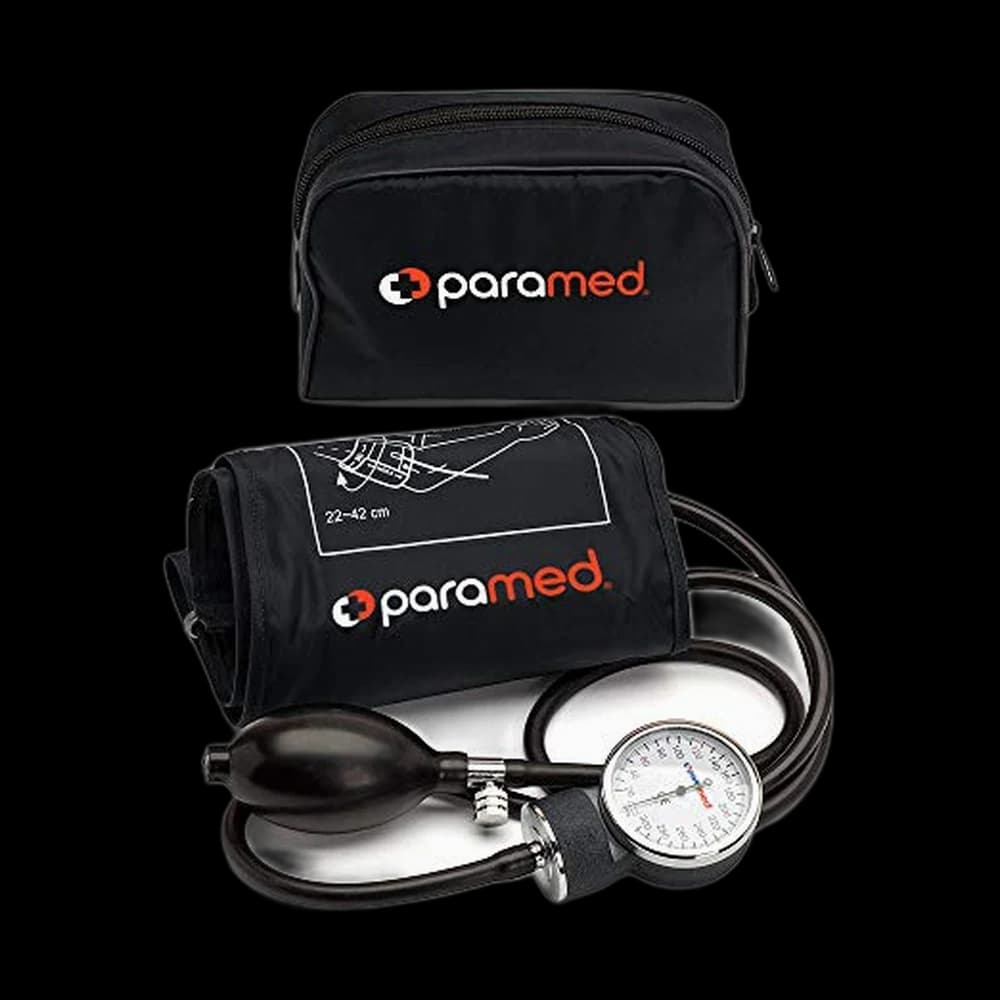 TOP PICKPARAMED Aneroid Kit★ Owner rating4.5 (25,181) TOP PICKPARAMED Aneroid Kit★ Owner rating4.5 (25,181) | Editorial #2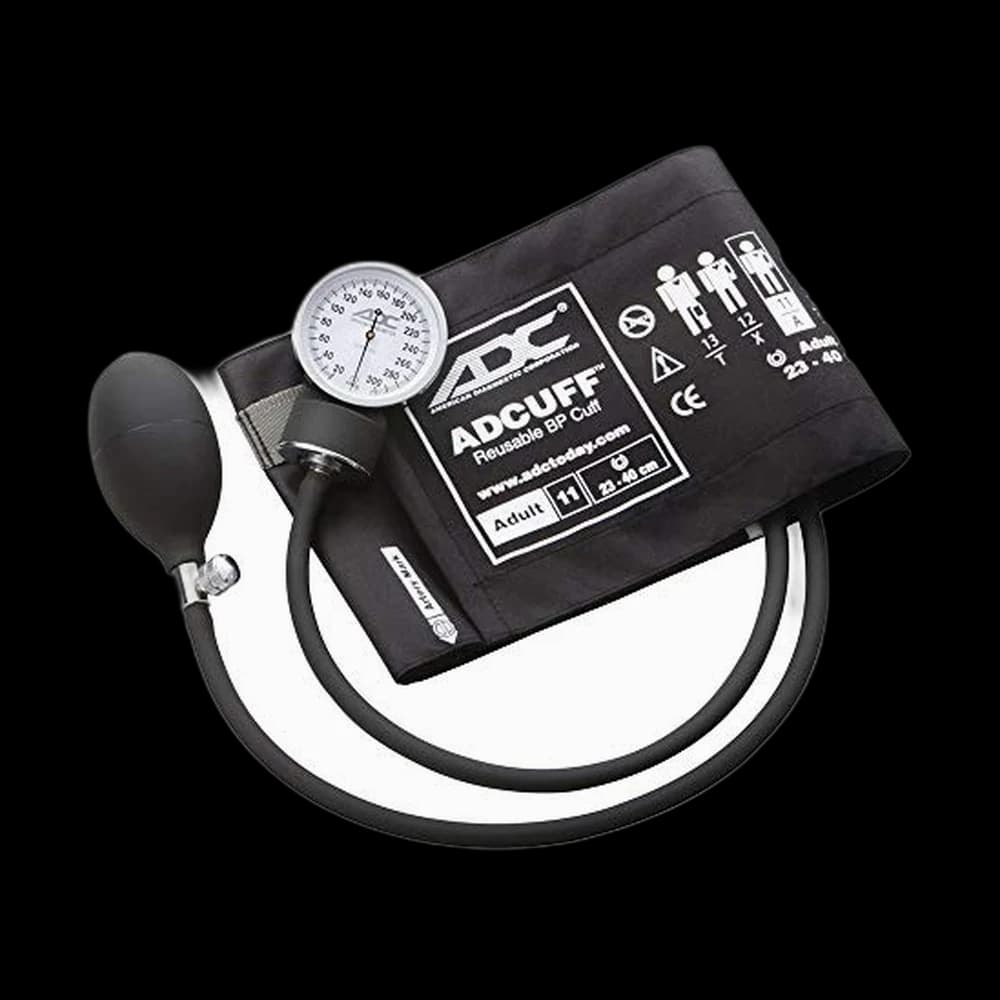 BEST VALUEADC Prosphyg 760★ Owner rating4.6 (1,778)ANSI/AAMI/ISO 81060-1 (per ADC) BEST VALUEADC Prosphyg 760★ Owner rating4.6 (1,778)ANSI/AAMI/ISO 81060-1 (per ADC) | Editorial #3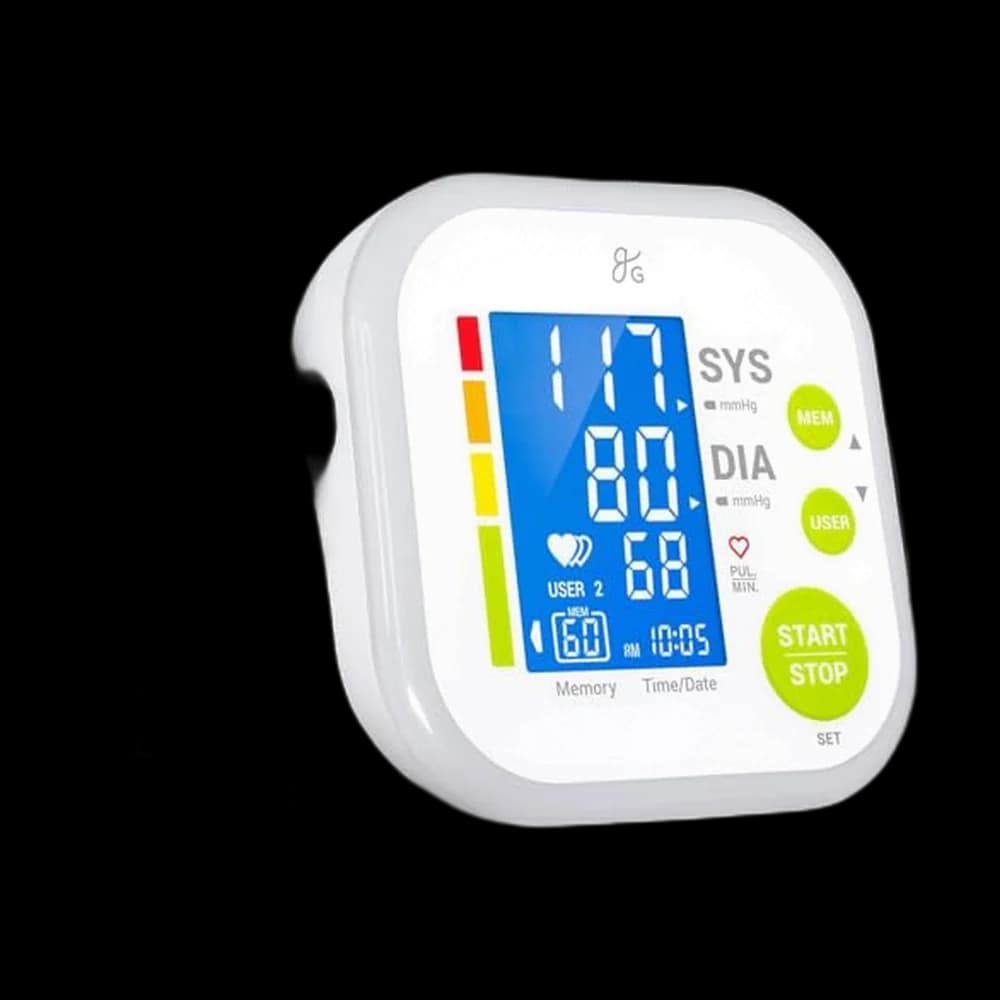 #3Greater Goods Upper Arm★ Owner rating4.4 (28,272) #3Greater Goods Upper Arm★ Owner rating4.4 (28,272) | Editorial #4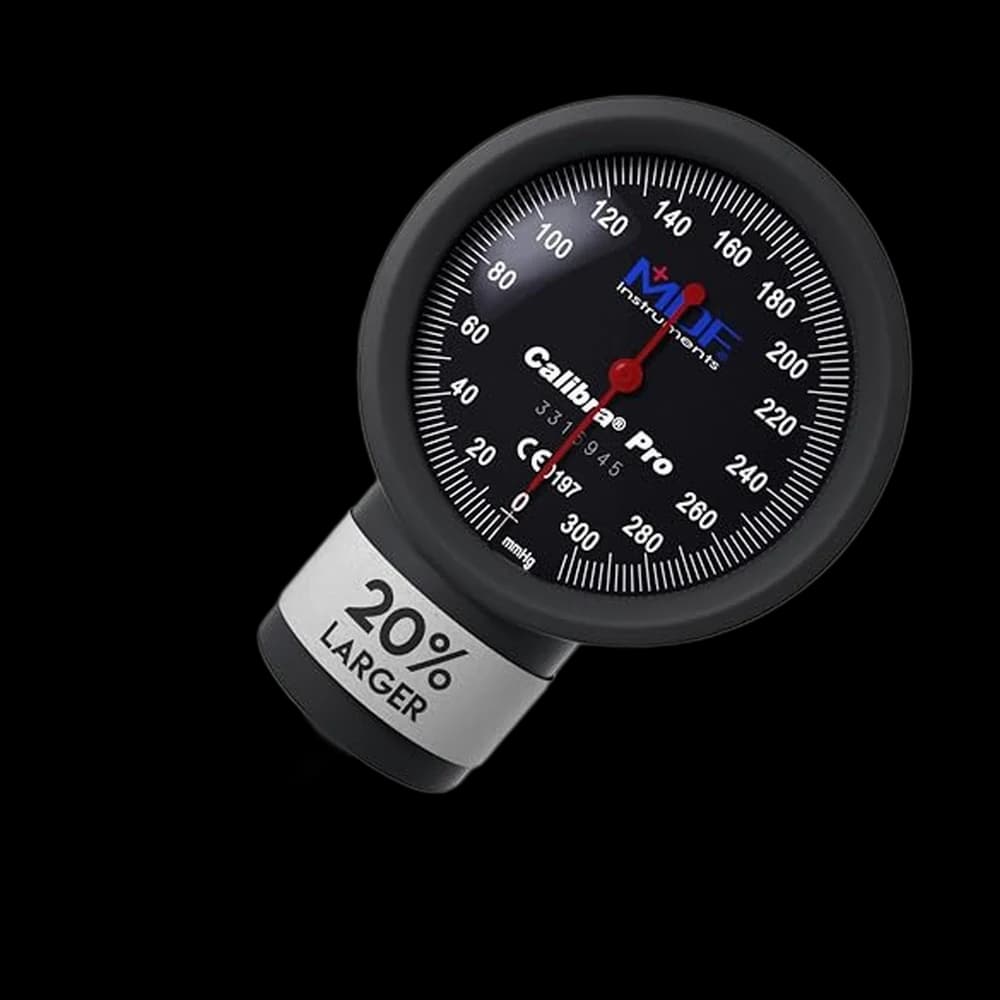 #4MDF Calibra Pro Palm★ Owner rating4.5 (748) #4MDF Calibra Pro Palm★ Owner rating4.5 (748) | Editorial #5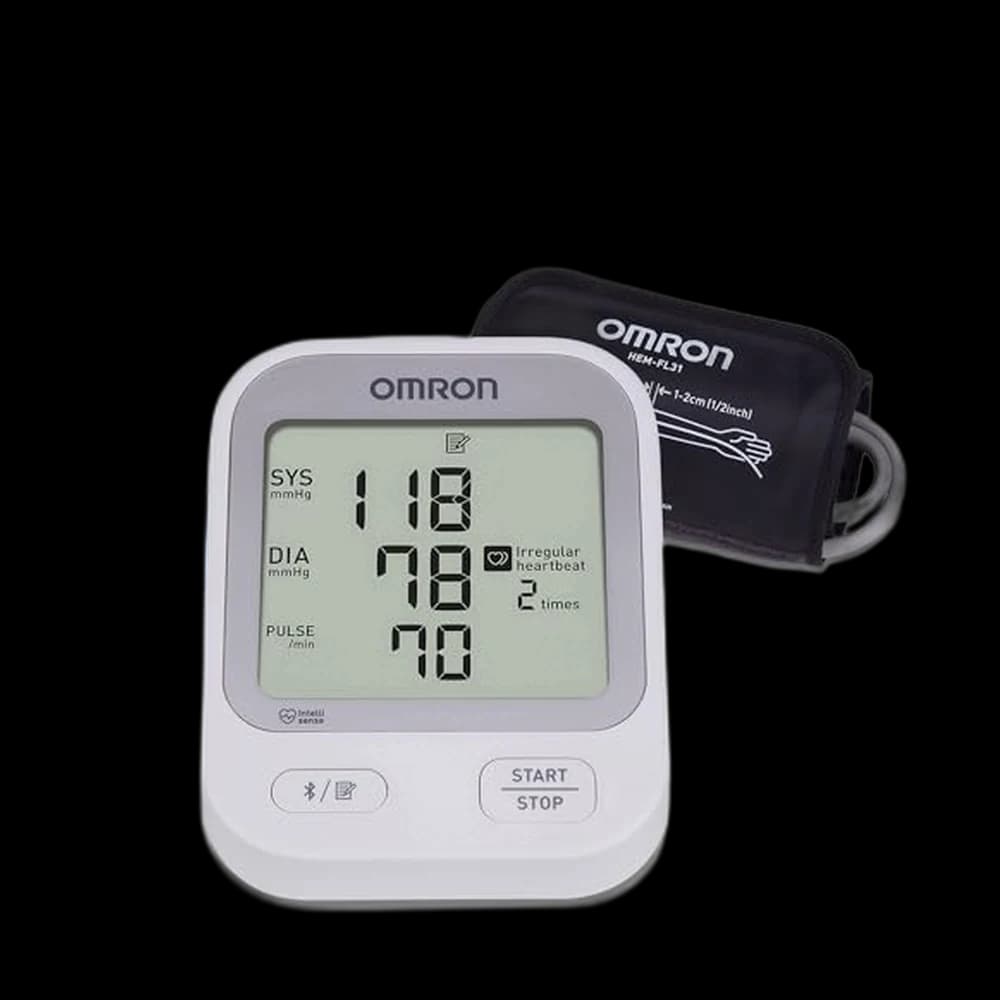 #5OMRON Silver Upper Arm★ Owner rating4.3 (4,978) #5OMRON Silver Upper Arm★ Owner rating4.3 (4,978) | Editorial #6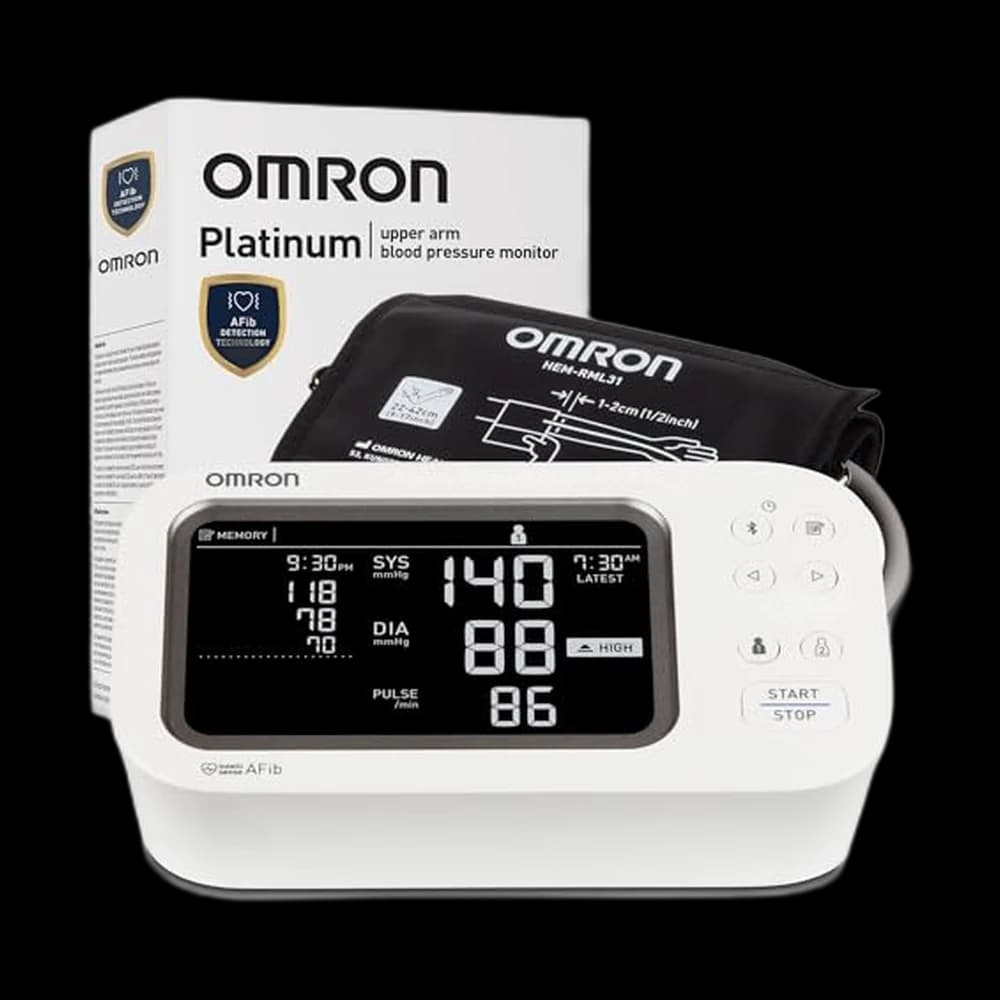 #6OMRON Platinum Upper Arm★ Owner rating4.2 (3,863) #6OMRON Platinum Upper Arm★ Owner rating4.2 (3,863) |
|---|---|---|---|---|---|---|
| Buy | Buy on Amazon · $23.95Price checked Oct 10 | Buy on Amazon · $35.31Price checked Oct 10 | Buy on Amazon · $35.99Price checked Oct 10 | Buy on Amazon · $49.99Price checked Oct 10 | Buy on Amazon · $64.79Price checked Oct 10 | Buy on Amazon · $97.19Price checked Oct 10 |
| NurseComforts Score | 79 Reading Consistency78Cuff Fit & Sizing75One-Handed Operation75Serviceability75Value87Owner Satisfaction81 Leads on Value 87; gives up most on Serviceability 75. | 78 Reading Consistency80Cuff Fit & Sizing77One-Handed Operation77Serviceability77Value77Owner Satisfaction81 Leads on Owner Satisfaction 81; gives up most on Value 77. | 77 Reading Consistency76Cuff Fit & Sizing73One-Handed Operation73Serviceability73Value86Owner Satisfaction78 Leads on Value 86; gives up most on Serviceability 73. | 72 Reading Consistency78Cuff Fit & Sizing75One-Handed Operation75Serviceability75Value64Owner Satisfaction71 Leads on Reading Consistency 78; gives up most on Value 64. | 71 Reading Consistency74Cuff Fit & Sizing71One-Handed Operation71Serviceability71Value75Owner Satisfaction66 Leads on Value 75; gives up most on Owner Satisfaction 66. | 66 Reading Consistency72Cuff Fit & Sizing69One-Handed Operation69Serviceability69Value61Owner Satisfaction63 Leads on Reading Consistency 72; gives up most on Value 61. |
| What buyers say | ↑ Quality↑ Functionality↑ Ease Of Use↑ Value for moneyBuyers praise quality, functionality, ease of use and value for money. Some flag durability.Based on 7,680 review mentions | ↑ Effectiveness↑ Accuracy↑ Versatility↑ Construction~ Cuff SizeBuyers praise effectiveness, accuracy, versatility and construction. Mixed feedback on cuff size. Some flag velcro durability and air containment.Based on 549 review mentions | ↑ Quality↑ Ease Of Use↑ Compact Size↑ Portability~ Accuracy~ Battery LifeBuyers praise quality, ease of use, compact size and portability. Mixed feedback on accuracy and battery life. Some flag reliability.Based on 13,585 review mentions | ↑ Quality↑ Dial Size↑ Readability↑ Value for money~ Accuracy~ Reliability~ Ease Of UseBuyers praise quality, dial size, readability and value for money. Mixed feedback on accuracy and reliability. Some flag durability.Based on 182 review mentions | ↑ Ease Of Use↑ Tracking~ Accuracy~ Reliability~ ConnectivityBuyers praise ease of use and tracking. Mixed feedback on accuracy and reliability. Some flag cuff fit and defective.Based on 1,550 review mentions | ↑ Quality↑ Ease Of Use↑ Tracking↑ Data Transfer~ Accuracy~ Reliability~ Value for moneyBuyers praise quality, ease of use, tracking and data transfer. Mixed feedback on accuracy and reliability.Based on 2,383 review mentions |
| Type | Manual aneroid sphygmomanometer with zinc alloy body and metal needle valve; stethoscope not included | Manual pocket aneroid sphygmomanometer, 300 mmHg manometer | Automatic upper-arm oscillometric monitor, one-touch, no Bluetooth | Manual palm aneroid | Automatic upper-arm oscillometric monitor with Bluetooth | Automatic upper-arm oscillometric monitor with Bluetooth, dual-user, with AFib detection |
| Cuff Size Range | Universal nylon cuff, 8.7-16.5 in (22-42 cm), with D-ring closure | Adult nylon Adcuff, fits limbs 9-15.7 in | Adjustable cuff, 8.75-16.5 in (22-42 cm), with printed artery alignment marker; other sizes available from Greater Goods support | Adult cuff included; other sizes sold separately | ComFit easy-wrap cuff, fits arms 9-17 in | Wide-range D-ring cuff, fits arms 9-17 in |
| Stated Accuracy | Not stated numerically; PARAMED states the unit is clinically tested and approved | ADC states it exceeds ANSI/AAMI/ISO 81060-1 accuracy specifications | Not stated numerically on the listing; Greater Goods cites five Wirecutter selections for accuracy and consistency | Not stated on the listing | Not stated numerically on the listing; OMRON describes it as Advanced Accuracy Technology | Not stated numerically on the listing; OMRON describes it as Advanced Accuracy with AFib Detection Technology |
| Warranty | Not stated on the listing | 20-year calibration warranty plus 3-year system warranty (ADC states) | Not stated on the listing | Lifetime calibration, per MDF | Not stated on the listing | Not stated on the listing |
Buyer-sentiment chips and summaries come from Amazon’s review-summary data. As an Amazon Associate we earn from qualifying purchases. Prices and availability are subject to change.
The reasoning behind each rank — the numbers live in the table above.
#1 · PARAMED Aneroid Sphygmomanometer Kit
The first-semester answer: a universal 22 to 42 cm nylon cuff with a D-ring, a metal needle valve, a large easily read dial and a carrying case, for roughly the price of a textbook chapter. The D-ring closure and one-hand velcro make self-measurement genuinely workable, which matters when you are practising alone. Two things to be clear about before you buy: the stethoscope is not included despite what some listings imply, and PARAMED does not publish a numeric accuracy tolerance or a warranty term.
✓ Universal 8.7 to 16.5 inch (22-42 cm) cuff covers a wider arm range than most adult cuffs
✗ The stethoscope is NOT included; the listing says so explicitly
#2 · ADC Prosphyg 760 Pocket Aneroid Sphygmomanometer
The manual set to buy if you want one that still reads true in year three. ADC states the 300 mmHg manometer exceeds ANSI/AAMI/ISO 81060-1 accuracy specifications and backs it with a 20-year calibration warranty, and the adult Adcuff carries a Size Guide marking system so you can see at a glance whether you are mis-cuffed. The air release valve is chrome-plated brass and individually leak tested.
✓ 20-year calibration warranty plus a 3-year system warranty from ADC
✗ No stethoscope included, so budget for one separately
#3 · Greater Goods Upper Arm Blood Pressure Monitor
The honest budget automatic, and the only monitor here with an outside endorsement attached: Greater Goods states it has been a five-time New York Times Wirecutter selection, including 2026. One button, a bright backlit display with large digits, a colour-coded range indicator, two-user memory at 60 readings each, and a wide-range cuff for arms 8.75 to 16.5 inches. No app, no Bluetooth, no menus, which is exactly right for a parent's house.
✓ Greater Goods states five Wirecutter selections including 2026, which is more third-party validation than any other monitor here carries
✗ No Bluetooth or app, so there is no automatic trend log or shareable report
#4 · MDF Calibra Pro Palm Aneroid Sphygmomanometer
The palm-style manual cuff of the lineup: a 20 percent larger high-contrast gauge and a double-bellow movement, handcrafted by MDF with lifetime calibration. It costs roughly twice a pocket aneroid, and what you get for that is one-handed operation and a dial you can actually read mid-inflation.
✓ Palm-style body allows genuine one-handed operation
✗ Costs about double a pocket-style aneroid
#5 · OMRON Silver Upper Arm Blood Pressure Monitor
The plain, reliable automatic: one button, a large display, irregular heartbeat detection and a hypertension indicator, with a ComFit cuff that fits arms from 9 to 17 inches. It stores 30 readings on the device and pushes unlimited readings to the free OMRON connect app over Bluetooth, and everything you need including four AA batteries is in the box. The tradeoff is that OMRON markets accuracy rather than publishing a tolerance figure on the listing, and it is single-user only.
✓ ComFit easy-wrap cuff fits arms 9 to 17 inches, covering most adults without a second cuff
✗ Single-user storage; two people in a household will overwrite each other's history
#6 · OMRON Platinum Upper Arm Blood Pressure Monitor
The Platinum earns its price on two things that matter in real households rather than on a spec sheet: dual-user memory holding 100 readings each, and AFib detection screening for irregular rhythms on every measurement. It adds a High Morning Average Indicator for morning pressure spikes, ships with a wide-range D-ring cuff for arms 9 to 17 inches, and includes an AC adapter so it is not living on batteries. The tradeoff is straightforward: if one person measures once a day, the Silver does that job for meaningfully less.
✓ Dual-user memory storing 100 readings each, so two people share one device cleanly
✗ Meaningfully more expensive than the Silver for features a single daily user will not touch
What nurses say to each other
Threads in r/StudentNurse and r/nursing are consistent and unsentimental: put the money into the stethoscope and buy the cheapest functional cuff, because brand barely matters and most people stop using theirs once skills lab is over and the automatic machines take over on the floor. Several people report a twenty-dollar Amazon cuff lasting years before the bladder finally gave out. The one specific piece of buying advice that recurs is to buy a manual rather than an automatic, since programs test manual technique and it is the skill you fall back on in a code or when double-checking an abnormal machine reading; a palm-style MDF aneroid is the model students name most often, with a PARAMED kit named in r/nursing. The limiter people describe is the stethoscope and sheer repetition — the advice is to go take dozens of practice pressures — not which cuff you bought.
Nurses rave about
Nurses warn against
Sources: r/StudentNurse · r/nursing
The surprising truth
The little oval printed at the bottom of every aneroid gauge is not decoration. ADC states it measures the equivalent of 6 mmHg across and exists as a visible calibration cue: if the needle rests outside it when the gauge is disconnected from the inflation system, the unit needs recalibration. Most nursing students carry that gauge for two years without ever being told what the oval is for.
What we didn’t pick
Popular options we evaluated and passed on, with the specific reason each one fell short of our picks.
Wrist position relative to the heart changes the reading, and home users do not reliably hold the position the manual specifies.
Still the historical reference standard, but mercury handling and disposal rules make them a poor recommendation for personal purchase.
They are not upper-arm cuff measurements and the ones that exist generally require calibration against a real cuff anyway.
What to look for
Half of this list, three of six picks, is a manual aneroid set you pump and read yourself; the other three are automatic upper-arm monitors. Only the manual half teaches you anything.
Work out which problem you are solving. A manual aneroid set is a skills tool: it teaches you Korotkoff sounds and it is what you fall back on when the machine on the wall is arguing with you. An automatic upper-arm monitor is a number-generating appliance for home use. Buying the wrong one is the main mistake in this category, and plenty of nurses buy a manual set for school, use it for one semester, and never touch it again. That is fine, and it is worth knowing before you spend.
Cuff size is the biggest accuracy variable you control. ADC's own guidance is explicit: using an inappropriately sized cuff can affect readings, and their cuffs carry index and range markings so you can verify the fit. Check that the index line falls between the two range lines. Position the artery mark over the brachial artery, with the bottom edge of the cuff roughly one inch above the antecubital fold. Every one of those is a step people skip.
Learn the gauge's zero oval. ADC states that the oval at the bottom of an aneroid gauge measures the equivalent of 6 mmHg across, and that if the needle rests outside it while disconnected, the unit needs recalibration. That is a thirty-second check that tells you whether the instrument in your hand is worth trusting, and almost nobody is taught it.
Know what the accuracy standard actually says. ADC states that current standards require manometers to read within plus or minus 3 mmHg of the reference, and that many of their premium aneroid manometers are produced to a tighter plus or minus 2 mmHg. Those are the manufacturer's own statements about their own devices, and they are the right level of claim to rely on. Treat any listing that promises hospital accuracy without naming a tolerance as noise.
Technique beats equipment, by a lot. ADC's procedure guidance calls for inflating 20 to 30 mmHg above the point the radial pulse disappears, then deflating gradually at 2 to 3 mmHg per second, with the chestpiece in the antecubital space below the cuff and never underneath it. Deflating too fast is the single most common reason a student's manual reading disagrees with the machine.
For home monitors, boring wins. One button, a large display, and a cuff that fits the arm in front of you. Extra features are worth paying for only when two people in the house are both tracking, or when an arm sits at the edge of a standard cuff range.