Who it's for

Gear for ER and ICU nurses

In a department where you may not sit down for six hours, gear stops being about comfort and becomes about retrieval time. The question is not what is good — it is what you can get out of a pocket one-handed, in a room that is already loud, without looking down. That single test explains almost every difference between what an ER or ICU nurse carries and what the rest of the hospital carries.

Carry two pairs of shears, and know which is which

The honest split nobody puts in a listicle: a cheap pair of straight-blade shears is what actually cuts tape, packaging, dressings and the occasional pair of jeans a dozen times a shift. It is also the pair you will hand to a paramedic and never see again. Buy that pair in a two-pack and stop caring about it.

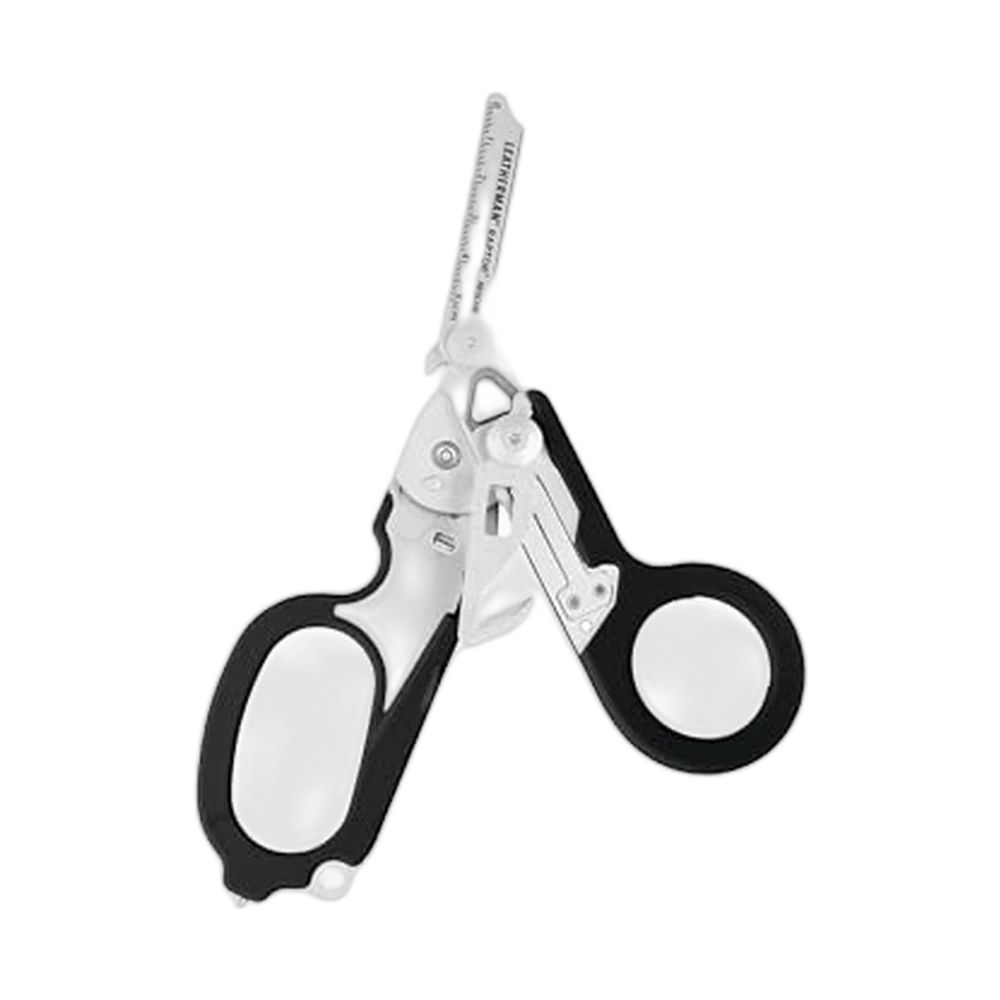
A rescue tool — strap cutter, ring cutter, carbide glass point, folding body — is a different object doing a different job. It is worth carrying in trauma and anything prehospital-adjacent, and it is dead weight in a unit where you spend the shift titrating drips. The mistake is letting the expensive one replace the cheap one; it should sit alongside it, in a different pocket, used a fraction as often.
The stethoscope question is different in critical care

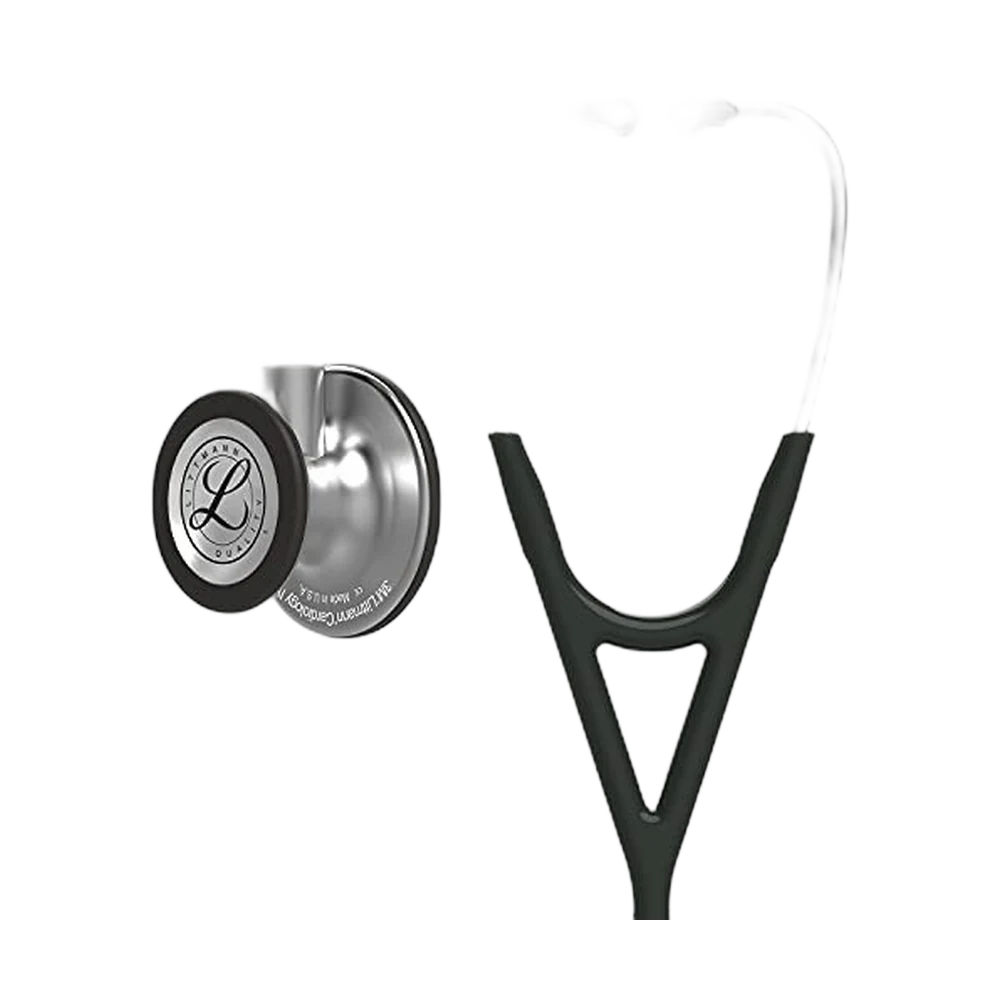
ICU listening is low-frequency work in a room full of pumps, ventilator noise and alarm tones. This is one of the few places in nursing gear where the price step maps onto a specification that is actually doing something — thicker tubing and a larger tunable diaphragm are stated design goals aimed at exactly that problem, and owner reports in critical care back it up.

The counter-argument is equally reasonable in a busy emergency department, where a scope spends its life slung around a neck, snagged on rails and set down in triage. A lot of ER nurses deliberately run a mid-tier scope because replacement is a matter of when, not if. Both calls are defensible; what is not defensible is buying the cardiology tier as a status object and then leaving it in a locker because you are afraid to lose it.

Wrists, and why a lot of critical care nurses stopped using them

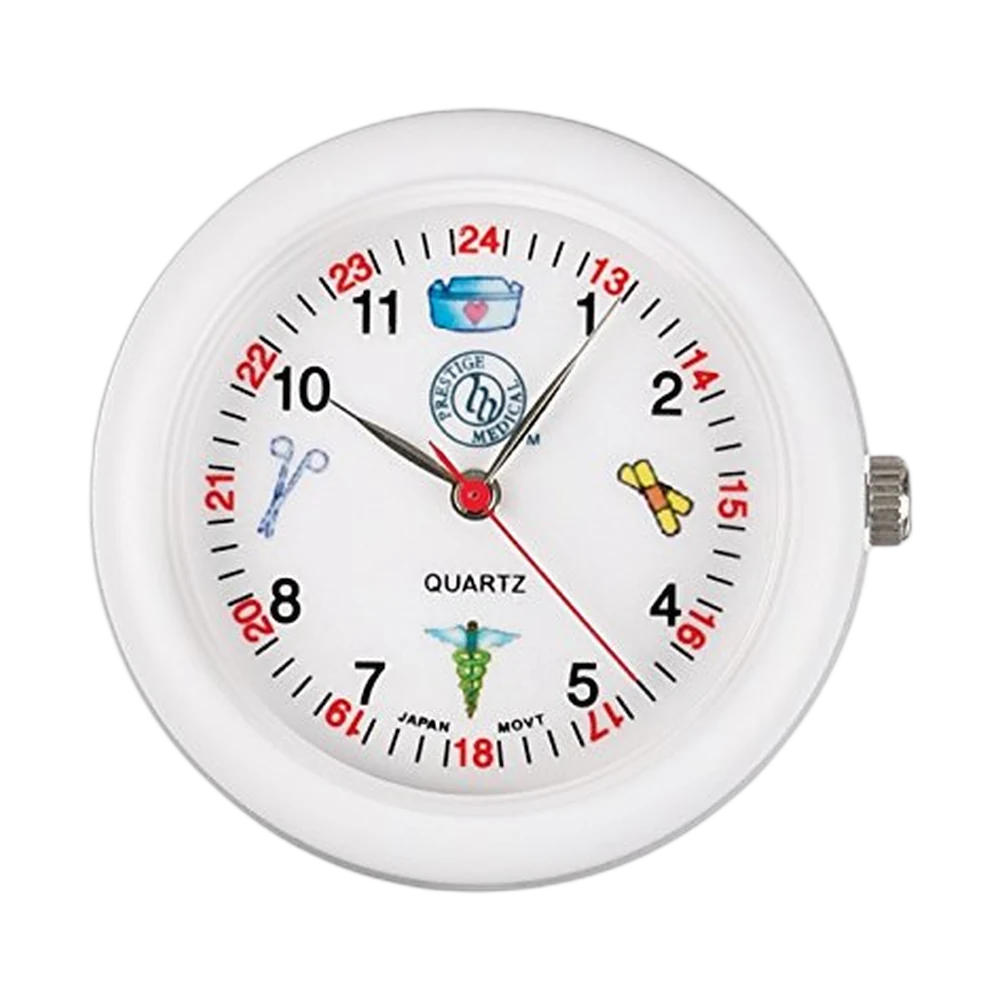
Bare-below-the-elbow policies, constant hand hygiene and gloves on and off all shift make a wrist-worn watch awkward in exactly the units that need a second hand most. The workaround most people land on is a fob or a stethoscope-mounted watch: the timing function stays available and nothing has to come off to wash your hands. Policies on this vary enormously between facilities, so check yours before you buy anything.

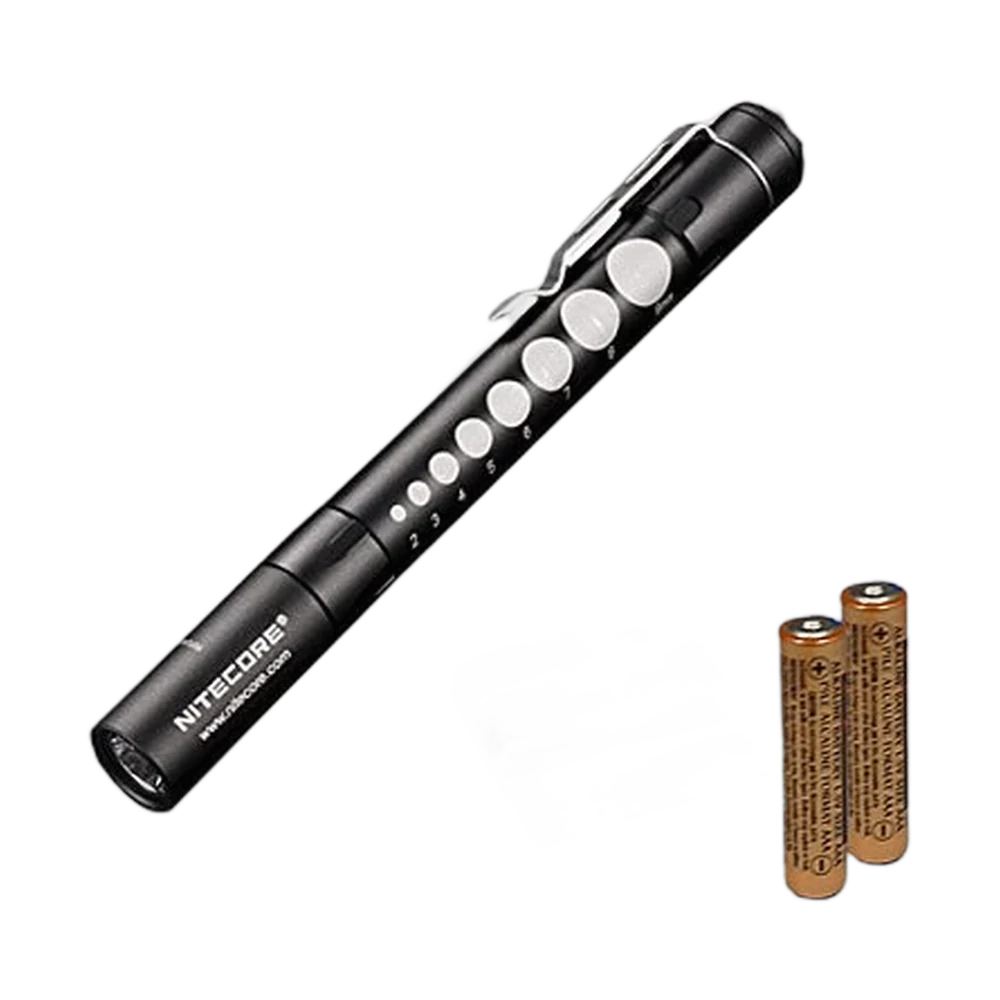
The other specification worth paying for here is color rendering in a penlight. High-CRI output is the whole point of a medical light rather than a keychain torch — it is what makes a pupil check and a skin-color assessment read true rather than blue-shifted. This is one of the rare places where the cheap two-pack is not a smaller version of the same thing, it is a different product.

Pockets are the real specification of a scrub

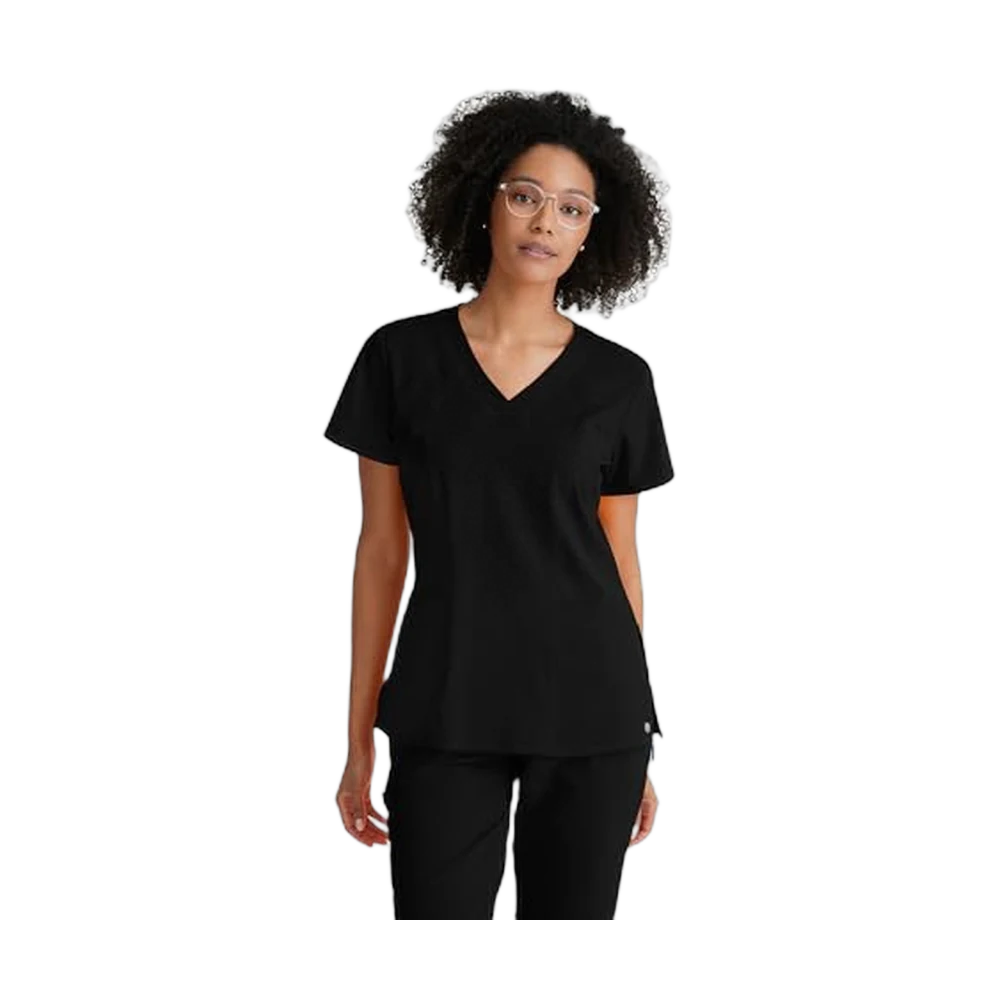
In critical care, a scrub top's pocket count and a pant's cargo placement are load-bearing decisions, not styling. The failure mode to design against is everything living in one chest pocket, which empties itself the first time you lean over a bed rail — and a penlight bouncing off a floor mid-assessment is a small disaster with an audience.

Distribute instead. Light and a single pen high, shears and heavier items low on the thigh, nothing loose anywhere. And when your feet start protesting, reach for an insole before a new shoe: you cannot swap footwear mid-code, but you can change what is inside a pair you already trust, and a structured orthotic insole is a much smaller bet than replacing a shoe that mostly works.

The pocket load-out

Arranged by retrieval time rather than by category. The point is that you can find each item without looking.

WhereWhatWhy there
Chest pocket, dominant sidePenlight and one penReachable while the other hand stays on the patient. The only two things that earn a chest pocket.
Chest pocket, other sideNothing looseThis is the pocket that empties itself over a bed rail. Keep it for what you can afford to drop.
Thigh cargo, dominant sideThe cheap straight shearsThe tool you reach for most, on the side you reach with, in the pocket you can open one-handed.
Thigh cargo, other sideRescue shears, if you carry themHeavier and used rarely. It should never be competing for space with the pair you use hourly.
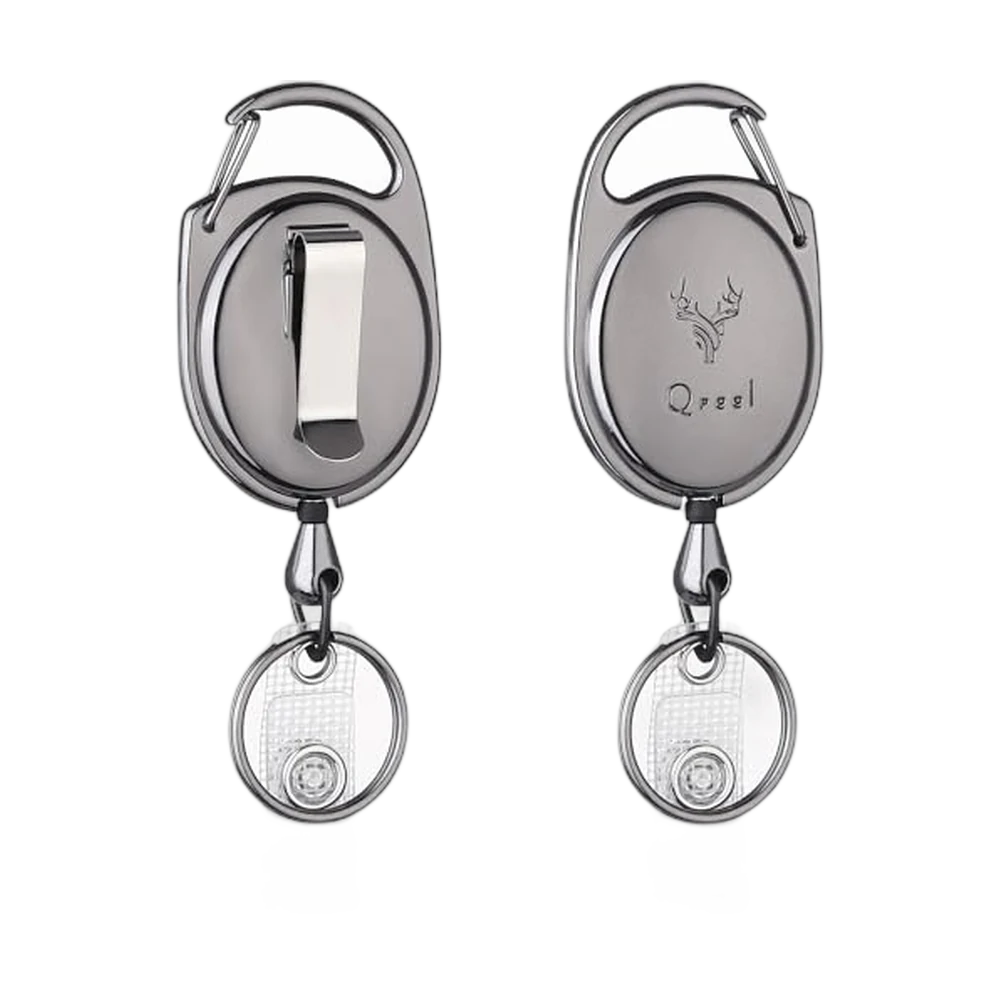
Badge lineA metal-bodied badge reelPlastic reels shear at the clip. A metal core is the version that survives a year of code-cart doors.
Neck or a fobStethoscope and watchOff the wrist, so hand hygiene and glove changes are never a reason to take something off and set it down.
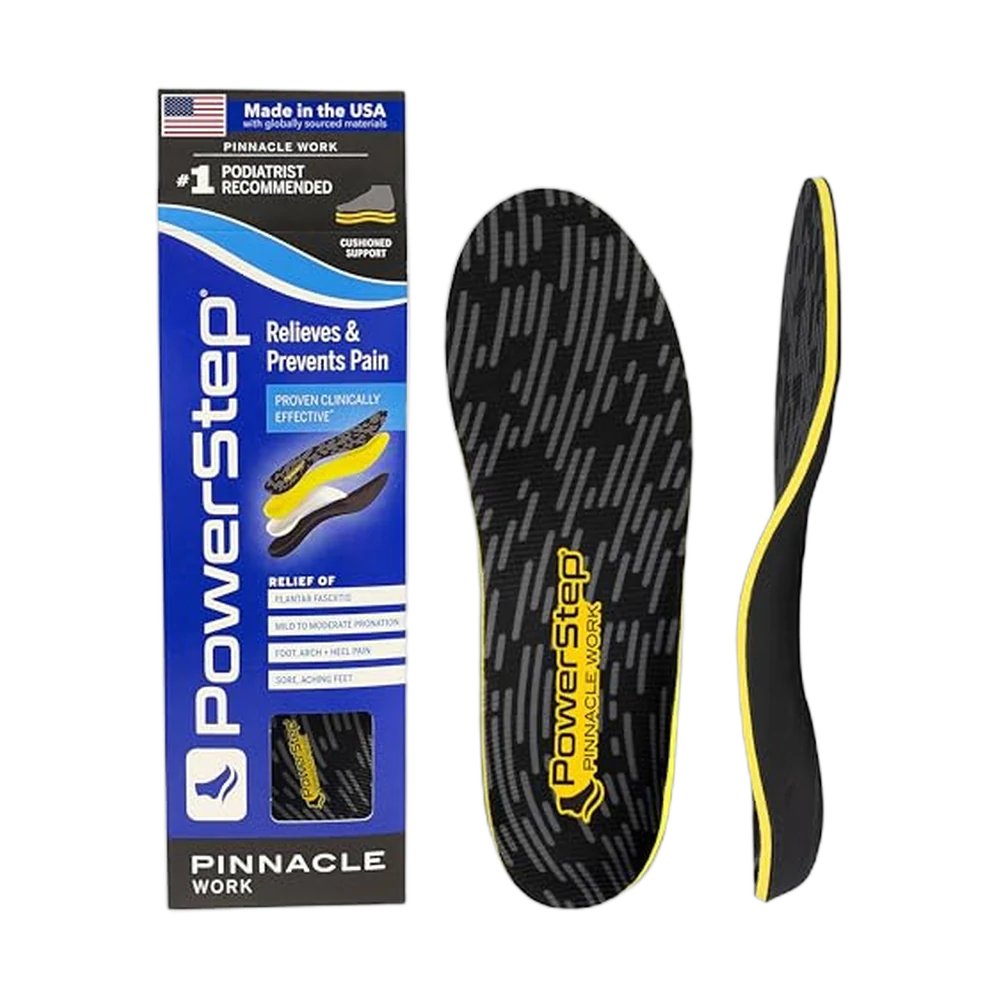
Inside the shoeA structured insoleYou cannot change shoes mid-code. You can change what is inside the pair you already trust.

Nine picks for a critical care load-out

Two pairs of shears on purpose, and a scrub top and pant chosen on pocket layout rather than fabric marketing. Prices at the affiliate retailers we link move constantly.

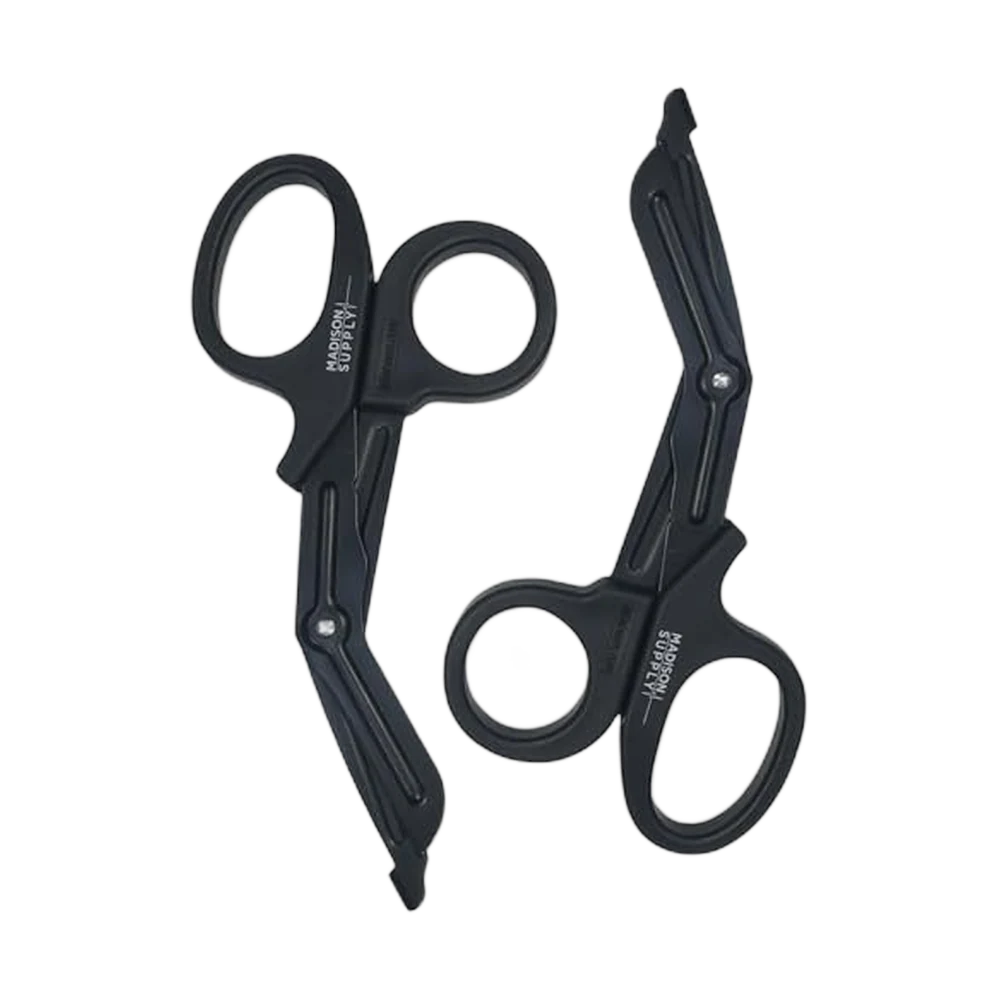
Madison Supply 7.5 in Trauma Shears, 2-Pack
Trauma & Nursing Shears85 · Score$9.49

Madison Supply 7.5 in Trauma Shears, 2-Pack

Why this one, for you: The pair you actually cut with, in a two-pack, at a price that makes lending one to a medic a non-event. This is the shear that lives in your dominant thigh pocket and gets used a dozen times a shift.

Check price →See the full scoring →
Leatherman Raptor Rescue 6-in-1 Shears
Trauma & Nursing Shears85 · Score$79.95

Leatherman Raptor Rescue 6-in-1 Shears

Why this one, for you: The other pocket. Strap cutter, ring cutter and carbide point fold into something you carry for the shift you hope not to have — worth it in trauma, honestly dead weight on a drip-heavy unit.

Check price →See the full scoring →
Littmann Cardiology IV Diagnostic Stethoscope (6152)
Stethoscopes82 · Score$199.99

Littmann Cardiology IV Diagnostic Stethoscope (6152)

Why this one, for you: The one place in nursing gear where the price step buys a specification doing real work: low-frequency sounds in a room full of pumps, vents and alarms. Buy it for ICU, think twice for a busy ER where scopes walk.

Check price →See the full scoring →
Nitecore MT06MD High-CRI Medical Penlight
Penlights77 · Score$29.95

Nitecore MT06MD High-CRI Medical Penlight

Why this one, for you: High-CRI output is the entire reason a medical penlight is not a keychain torch — it is what makes pupils and skin color read true rather than blue-shifted. Worth the step up from a two-pack in exactly this setting.

Check price →See the full scoring →
Prestige Medical Stethoscope Watch
Nurse Watches72 · Score$25.99

Prestige Medical Stethoscope Watch

Why this one, for you: Keeps a sweep second hand available with nothing on your wrist, which is the practical answer under a bare-below-the-elbow policy. Check your own facility's rule first — they vary more than you would expect.

Check price →See the full scoring →
Barco One Racer 5105 Women's 4-Pocket Scrub Top
Women's Scrubs79 · Score$31.99

Barco One Racer 5105 Women's 4-Pocket Scrub Top

Why this one, for you: Chosen on pocket layout rather than fabric marketing: four pockets that distribute a load-out instead of concentrating it in one chest pocket that empties over a bed rail.

Check price →See the full scoring →
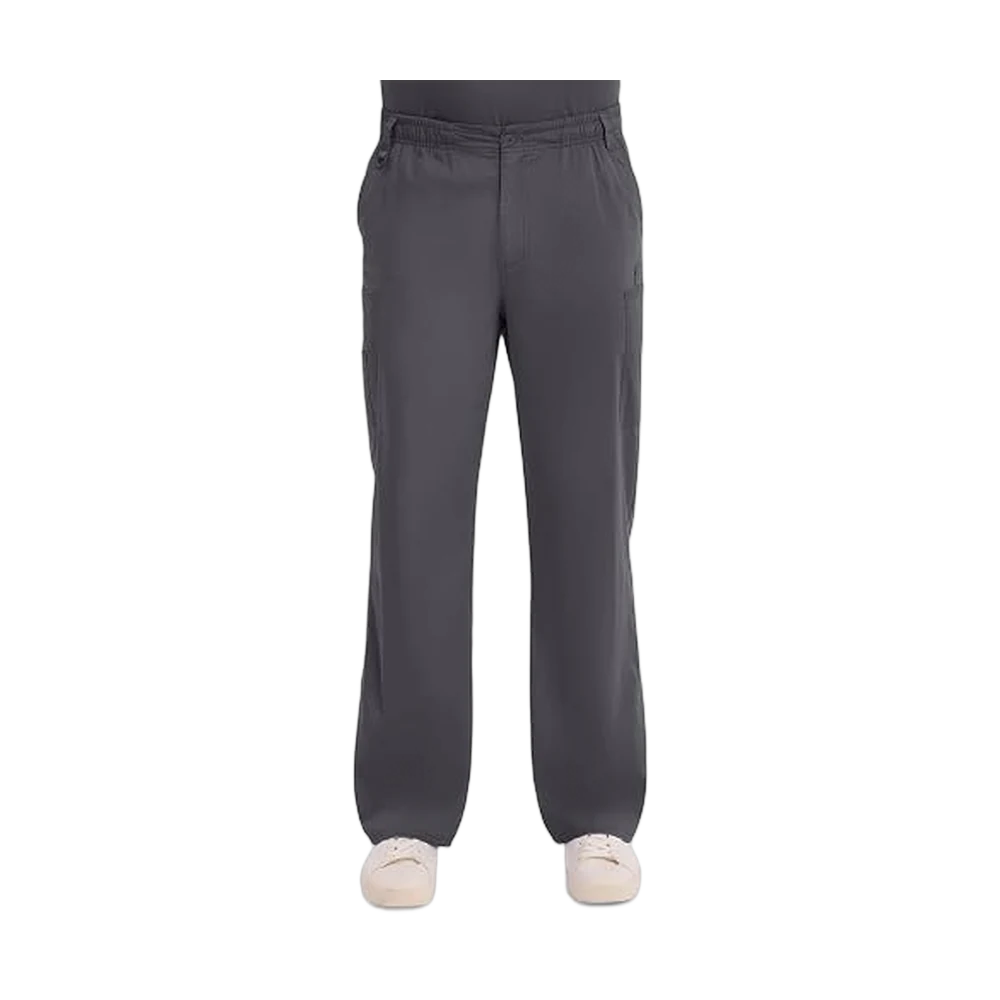
Dickies EDS Signature 81006 Men's Cargo Scrub Pant
Men's Scrubs77 · Score$32.99

Dickies EDS Signature 81006 Men's Cargo Scrub Pant

Why this one, for you: Cargo pockets low on the thigh are where the shears belong — reachable one-handed, and far enough from your center of mass that a heavy tool is not swinging when you lean.

Check price →See the full scoring →
QREEL Heavy Duty Metal Badge Reel, 2-Pack
Badge Reels & ID Accessories73 · Score$13.99

QREEL Heavy Duty Metal Badge Reel, 2-Pack

Why this one, for you: Plastic reels shear at the clip, usually on a code-cart door. A metal body and a carabiner attachment is the version that survives a year in a department that slams things.

Check price →See the full scoring →
PowerStep Pinnacle Work Insole
Insoles for 12-Hour Shifts75 · Score$44.99

PowerStep Pinnacle Work Insole

Why this one, for you: The move when your feet start protesting mid-contract and you cannot face breaking in new shoes. A structured insole changes what is inside a pair you already trust, at a third of the cost of replacing them.

Check price →See the full scoring →

We research rather than lab-test: manufacturer specifications, owner reports and published guidance, said plainly. Prices at the affiliate retailers we link change constantly, and nothing on this page is medical advice or a substitute for your facility's policy. How we score.

Read next

Best Trauma Shears for Nurses (2026): 5 Pairs Compared

Read →

Best Stethoscopes for Nurses (2026): Littmann vs ADC

Read →

Best Penlights for Nurses (2026): Pupil Gauges Compared

Read →

Buying this for someone else?

Stocking stuffers under $25

Most of a critical care load-out is small and cheap, which makes this the right list for buying an ER nurse something they will use next shift.

Questions we get asked

Why carry two pairs of shears in the ER?

Because they do different jobs. A cheap straight-blade pair handles tape, packaging and dressings a dozen times a shift and is replaceable when it walks off with someone. A rescue tool with a strap cutter and ring cutter is for the rare call that needs it. Letting the expensive one replace the cheap one means using a heavy folding tool for routine tape.

Is a cardiology stethoscope worth it in critical care?

In an ICU, usually yes — low-frequency sounds in a room full of pumps and ventilators is exactly the problem the thicker tubing and larger tunable diaphragm are designed around. In a high-turnover emergency department, plenty of nurses deliberately run a mid-tier scope because loss and damage are more likely than a subtle murmur.

What do ER and ICU nurses keep in their pockets?

A penlight and one pen high, shears low on the thigh, badge on a reel, stethoscope around the neck or on a hook. The organizing principle is retrieval time rather than capacity: anything you cannot find without looking down is effectively not carried.

Can I wear a watch in the ICU?

It depends entirely on your facility. Bare-below-the-elbow policies are common in critical care and some units ban wrist-worn items outright, which is why fobs and stethoscope-mounted watches are so widespread. Check the written policy where you work before buying either — this is a policy question, not a gear question.

The load-out you can find blind is the load-out that works. Everything else is a thing you own.

Not quite you?