
Our #1 Pick
The scope you will see hanging on more necks than every other model combined, and the reason is boring competence: a tunable dual-sided stainless chestpiece that lets you move between low-frequency and high-frequency sounds by changing hand pressure instead of flipping the head mid-assessment. Littmann positions it for non-critical environments such as general wards, clinics and urgent care, and it handles lungs, bowel sounds and a manual pressure without complaint. The honest tradeoff is that you are paying a brand premium for a scope that is very good rather than exceptional at faint cardiac findings.
Key takeaways
- The Littmann Classic III is the best default for most floor nurses: a tunable diaphragm on both sides and a five-year warranty Littmann states on its own product page.
- Cardiology-class scopes buy audio headroom for loud, critical units. On a routine med-surg assignment you will not use it.
- Weight is a twelve-hour problem. The lightest pick here is 105 g and the heaviest is about 176 g, and that gap is invisible in the morning and obvious by the end.
- Manufacturer parts programs matter more than headline acoustics. MDF and ADC both cover the eartips and diaphragms that actually fail.
- Plan for theft. Engrave or tag the scope, pick an uncommon colour, and buy an amount of money you can genuinely afford to lose.
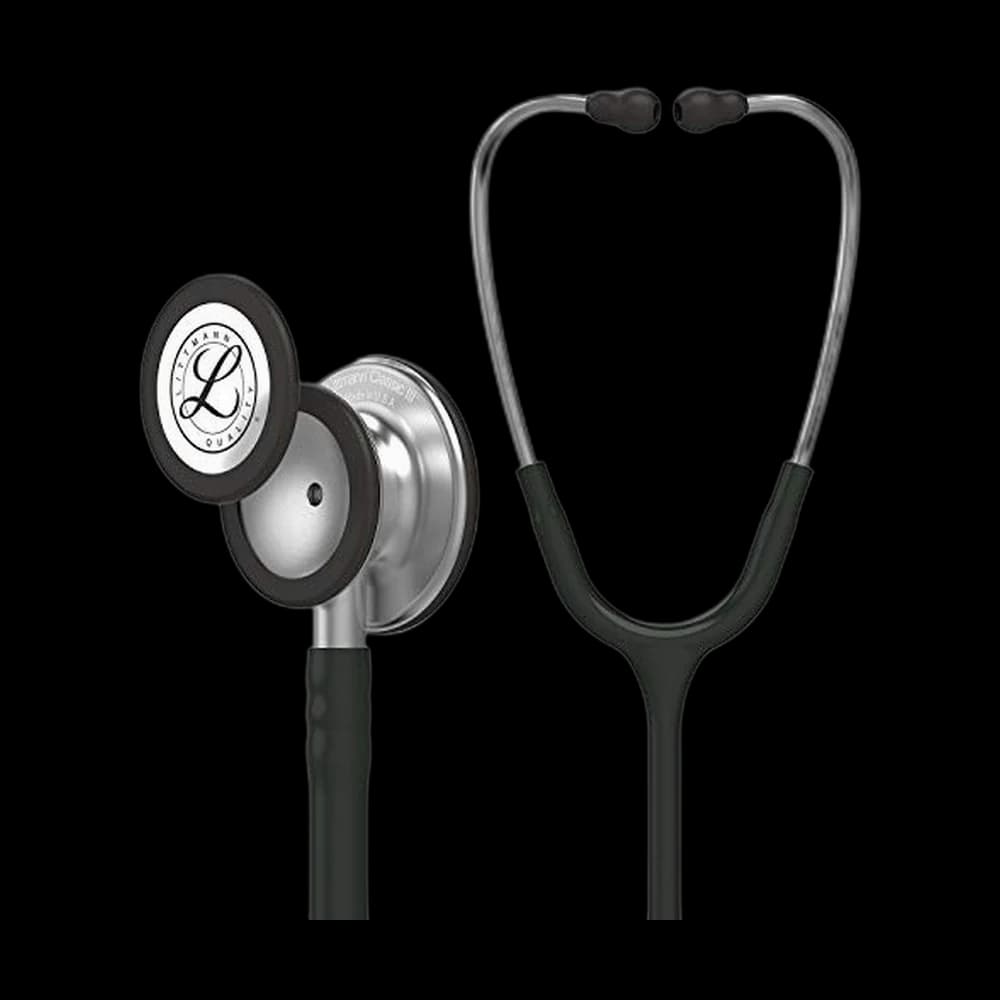
Littmann Classic III Monitoring Stethoscope (5620)
- Tunable diaphragm on both sides, so you stop rotating the chestpiece during an assessment
- Machined stainless steel chestpiece rather than plated alloy
- Littmann publishes a five-year warranty, which is long for this price band
A tunable diaphragm on both sides removes the chestpiece flip from your assessment routine, the stainless chestpiece handles everything a general floor asks of it, and Littmann states a five-year warranty at a price most nurses can actually justify.
Side-by-side comparison
#1Littmann Classic III Monitoring Stethoscope (5620) Owner rating4.8(45,973) | #2Littmann Cardiology IV Diagnostic Stethoscope (6152) Owner rating4.8(7,947) | #3ADC Adscope 619 Ultra-Lite Clinician Stethoscope Owner rating4.7(5,794) | #4MDF MD One Stainless Steel Dual Head Stethoscope Owner rating4.6(2,249) | #5ADC Adscope 603 Clinician Stethoscope Owner rating4.5(3,141) | |
|---|---|---|---|---|---|
|  |  |  |  | |
| NurseComforts Score | |||||
| Verdict | The sensible default for most floor nurses: tunable on both sides, stainless chestpiece, five-year stated warranty. | The scope for loud, critical units, with a larger chestpiece, deeper bell and a seven-year stated warranty. | The lightest scope in the category and the cheapest one here that still tunes by pressure. | A traditional stainless dual-head scope carried by a lifetime warranty and free parts for life. | A surgical-stainless tunable clinician scope that undercuts the Classic III while giving up very little. |
| Price | ~$98.77Buy on Amazon Price checked Oct 10 | ~$199.99Buy on Amazon Price checked Oct 10 | ~$32.29Buy on Amazon Price checked Oct 10 | ~$49.99Buy on Amazon Price checked Oct 10 | ~$73.22Buy on Amazon Price checked Oct 10 |
| Weight | 150 g (Littmann-published net weight) | 6.2 oz (about 176 g) | 3.7 oz (105 g) | - | 5.8 oz (about 164 g) |
| Chestpiece Type | Dual-sided, tunable diaphragm on both sides | Dual-sided tunable; pediatric side converts to an open bell | Dual-sided with AFD tunable diaphragm | Dual head, true bell and true diaphragm on a rotating stem | - |
| Warranty | 5-year warranty (Littmann states) | 7-year warranty (Littmann states) | Free parts forever and refurbishment (ADC states) | Lifetime warranty plus Free-Parts-For-Life (MDF states) | Refurbishment and free parts forever (ADC states) |
| Chestpiece Material | - | - | - | Stainless steel | CNC-machined surgical stainless steel |
| Buyer sentiment | Sound Quality Value for money Color Enjoyment Buyers praise sound quality, value for money, color and enjoyment. Mixed feedback on durability. Based on 3,368 user mentions | Sound Quality Value for money Functionality Color Buyers praise sound quality, value for money, functionality and color. Mixed feedback on durability and weight. Based on 996 user mentions | Quality Value for money Lightweight Suitability Hearing Quality Buyers praise quality, value for money, lightweight and suitability. Mixed feedback on sound quality and durability. Some flag hearing quality. Based on 893 user mentions | Sound Quality Value for money Suitability Appearance Weight Buyers praise sound quality, value for money, suitability and appearance. Mixed feedback on comfort and durability. Some flag weight. Based on 495 user mentions | Quality Sound Quality Functionality Color Buyers praise quality, sound quality, functionality and color. Mixed feedback on weight and durability. Based on 1,663 user mentions |
| Pros |
|
|
|
|
|
| Cons |
|
|
|
|
|
* Prices are approximate. Click Buy to see current pricing on Amazon.
Most nurses own exactly one stethoscope, keep it for years, and choose it in a hurry during the first week of a program or a new job. That is a bad moment to make the decision, because the thing that separates a good scope from a frustrating one is not price. It is whether the chestpiece tunes by pressure, whether the eartips seal, and whether you can live with the weight by hour eleven.
Our top pick for most floor nurses is the Littmann Classic III Monitoring Stethoscope (5620). It has a tunable diaphragmtunable diaphragmA single-sided chestpiece that behaves like a bell under light pressure and like a diaphragm under firm pressure, so you change register by changing how hard you press instead of flipping the head. It is the defining feature of most modern cardiology-class stethoscopes. on both sides, which means you change what you hear by changing hand pressure instead of flipping the head mid-assessment, and Littmann states a five-year warranty on it. That is a lot of scope for the money, and it is why you see it on more necks than everything else combined.
But the Classic III is not automatically the right answer. If your unit is loud and your assignment is critical, the Littmann Cardiology IV buys real headroom. If you finish shifts with a stiff neck, the ADC Adscope 619 Ultra-Lite weighs less than two-thirds of it. And if there is a genuine chance your scope walks off the unit, buying a cheaper one is not a compromise — it is the correct call.
Our top picks
Littmann Classic III Monitoring Stethoscope (5620) — best for most nurses
Check price on Amazon →The Classic III does everything a med-surg, clinic or urgent care shift asks of a scope: lungs, bowel sounds, a manual pressure, and enough clarity on heart sounds to know when something needs escalating. The machined stainless chestpiece is dual-sided and tunable on both faces, so a light touch pulls low-frequency sounds and firmer pressure emphasises the higher ones. Littmann positions this model for non-critical environments, and that is an honest description of where it shines.
At a Littmann-published 150 g it hangs comfortably enough across a twelve, and the enormous colour and finish range is the cheapest anti-theft feature in existence — a plum tube with a smoke chestpiece is much harder to "accidentally" pocket than another black one.
The honest tradeoff: it sits around the $95 mark, which is well above equally capable clinician scopes from ADC and MDF. You are paying partly for engineering and partly for the badge. If your budget is tight, the badge is the part you can safely skip.
Littmann Cardiology IV Diagnostic Stethoscope (6152) — for loud units and critical assignments
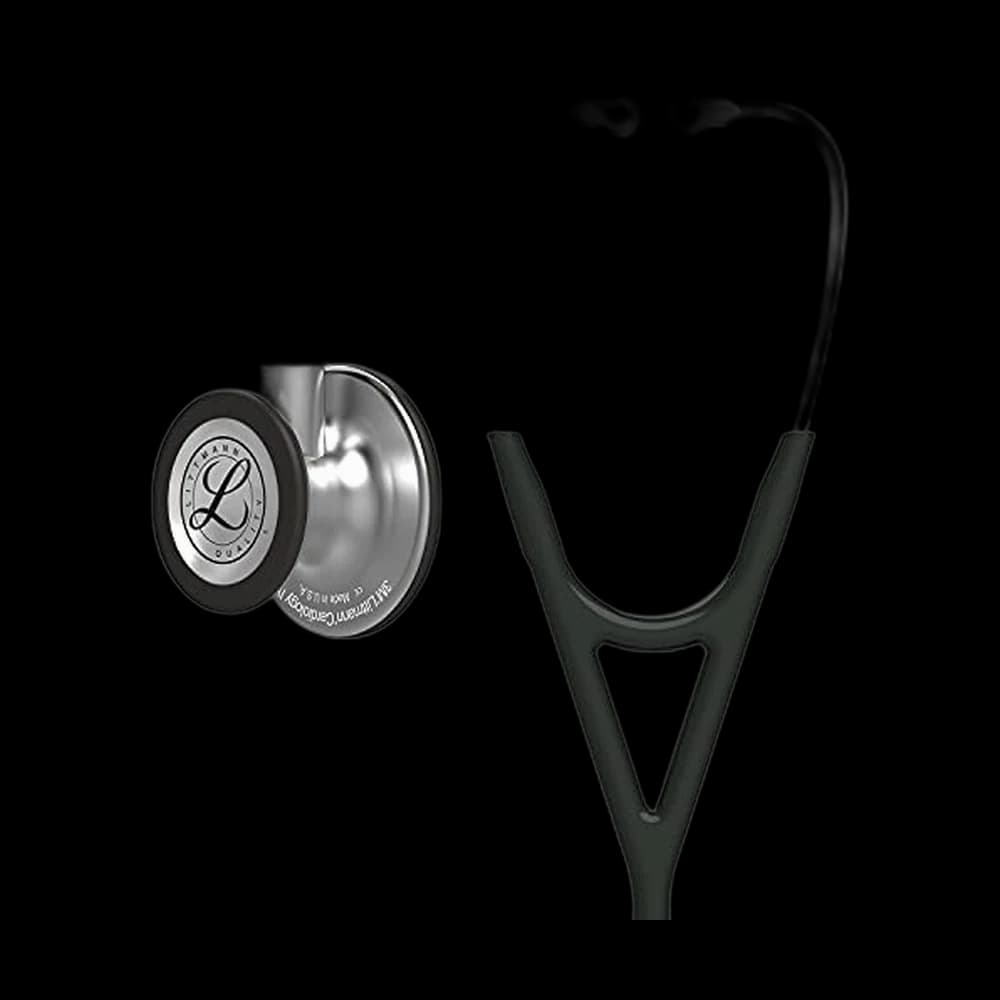
Check price on Amazon →This is the scope for rooms where you are straining. Littmann states the chestpiece is 40 percent larger and the bellbell vs diaphragmThe two faces of a traditional dual-head chestpiece. The large flat diaphragm favours higher-frequency sounds; the smaller cup-shaped bell, used with light skin contact, favours lower-frequency ones. Which you reach for depends on what you are listening to. 60 percent deeper than the Classic III, and the warranty steps up from five years to seven, which is the manufacturer telling you exactly where it sits in the range. Littmann names ED, ICU, cardiac ICU and step-down as its environments.
At around 176 g it is noticeably heavier on the neck than the lightweight options here, and at roughly $200 it is the most expensive pick in this guide by a wide margin. It is also the most common theft target on any unit. Buy it if you are regularly straining to hear over alarms and ventilators. Do not buy it on day one of nursing school.
ADC Adscope 619 Ultra-Lite Clinician Stethoscope — best lightweight
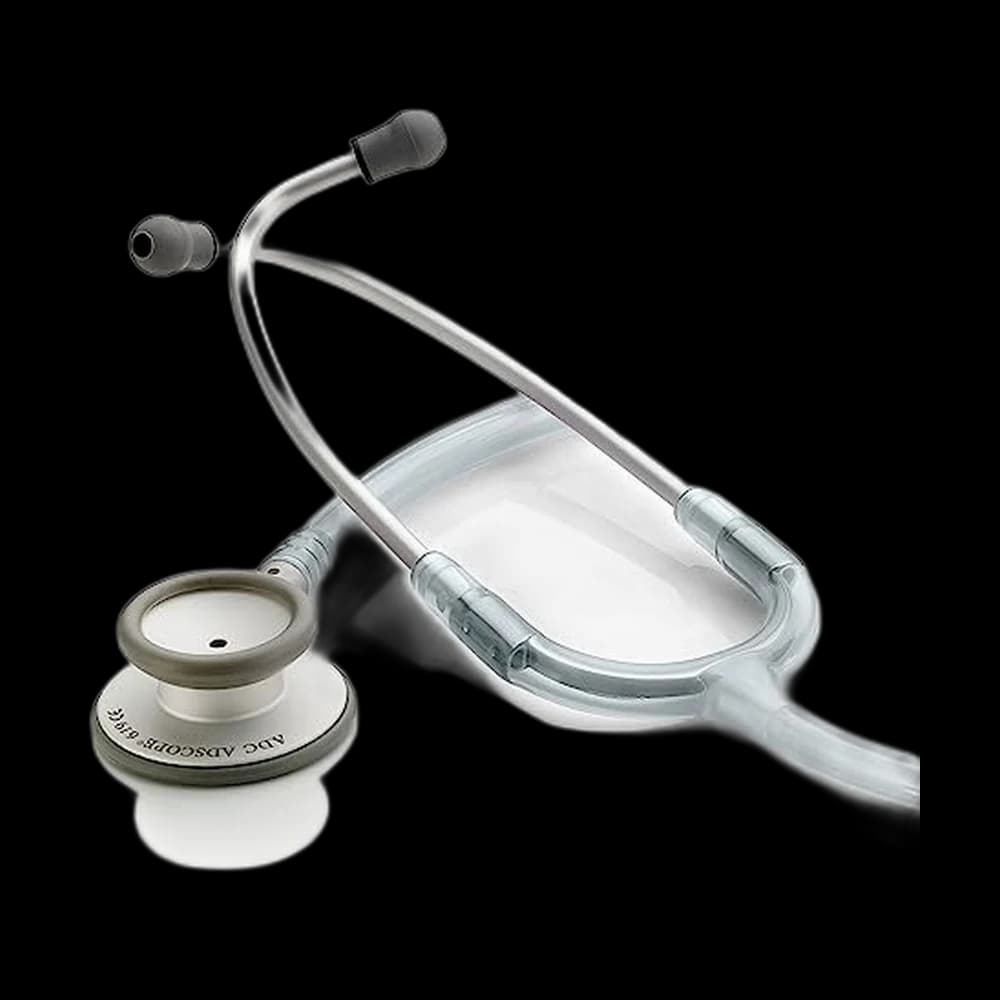
Check price on Amazon →At 3.7 oz (105 g) this is the lightest scope in the category, lighter even than Littmann's own Lightweight II S.E., and it still tunes by pressure through ADC's AFD design rather than making you flip the head. ADC states free parts forever plus complimentary refurbishment. Under $35, it is cheap enough to keep a spare in your locker.
The tradeoff is materials. Aluminium alloy marks and dents more readily than stainless, and there is one spare pair of eartips in the box rather than two. It is a working tool, not an heirloom — which for a lot of units is precisely the point.
MDF MD One Stainless Steel Dual Head Stethoscope — best warranty
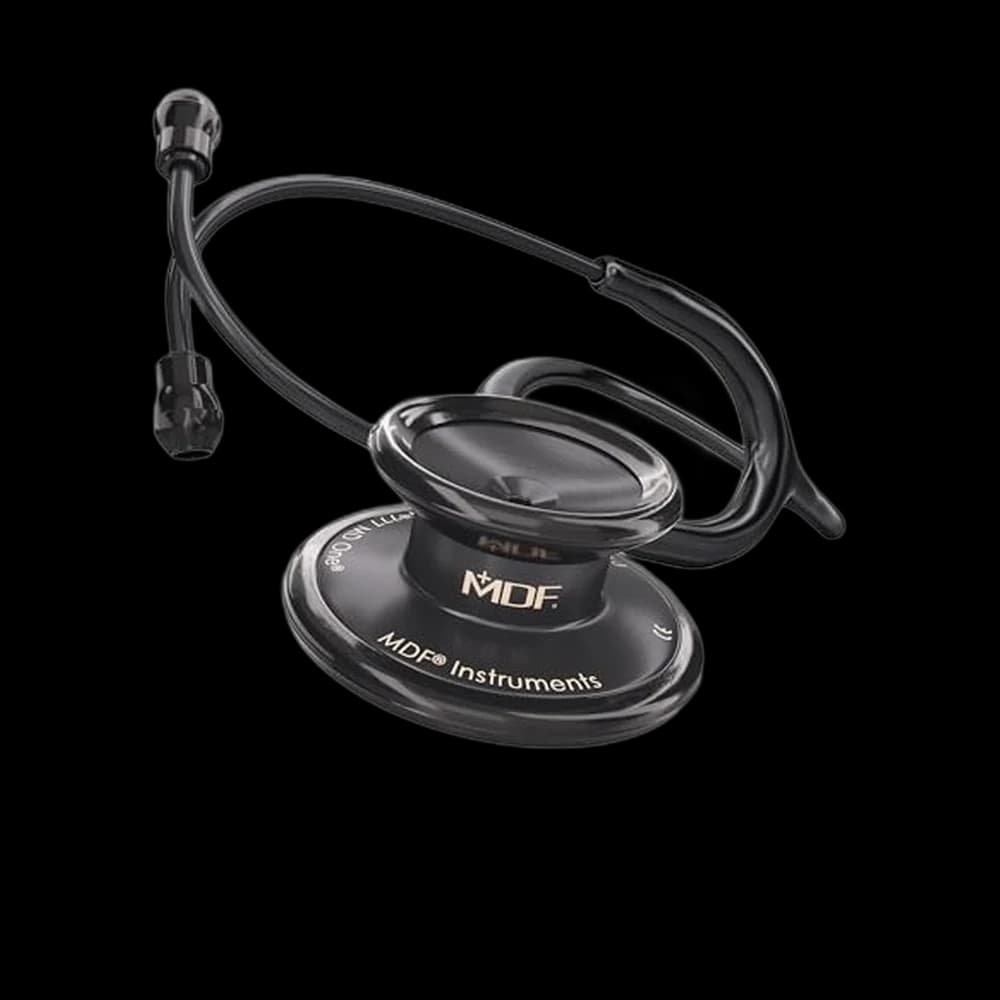
Check price on Amazon →MDF backs this traditional stainless dual-head scope with a full lifetime warranty and a free-parts-for-life program. That matters more than it sounds, because the parts that actually fail on a stethoscope are eartips and diaphragm rims, not chestpieces. Three sizes of silicone eartips, a spare diaphragm and an ID tag ship in the box, and it comes in over 20 colours.
The tradeoff is that it is a rotating-stem dual head, so you flip between bell and diaphragm rather than tuning by pressure — the older workflow. Stainless also means it hangs heavier, and MDF does not publish a weight figure, so you cannot compare it directly against Littmann's numbers.
ADC Adscope 603 Clinician Stethoscope — the underrated middle
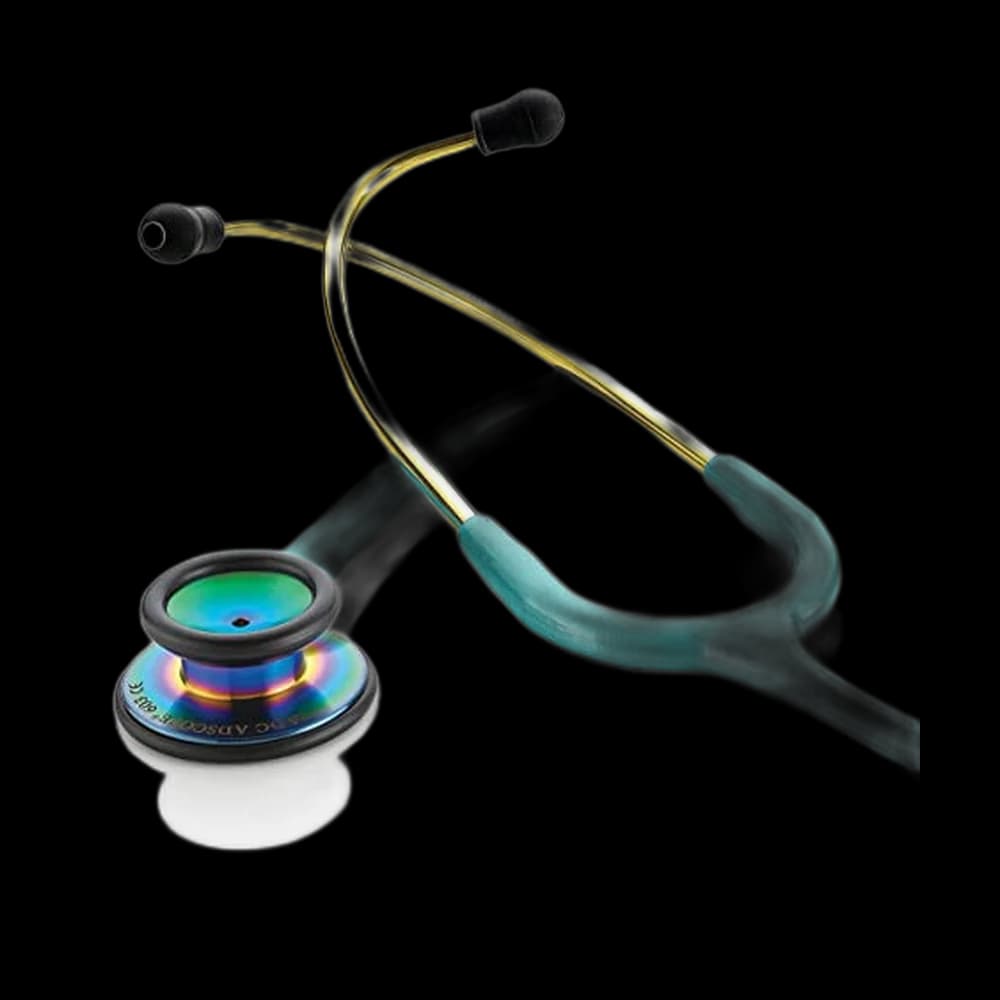
Check price on Amazon →A CNC-machined surgical stainless combination chestpiece with AFD tuning, individually acoustic tested in the USA per ADC, backed by free parts forever and complimentary refurbishment. Non-chill rings are a small kindness at 3am. At around $73 it undercuts the Classic III meaningfully while giving up very little. Its weaknesses are 5.8 oz on the neck, a 30-inch length that suits taller wearers, and the fact that some preceptors still expect to see a Littmann.
What actually decides this for a nurse
Buy for the sounds you actually chase. Most floor nursing is lungs, bowel sounds and manual pressures. A clinician-class tunable scope covers all three without strain. Cardiology-class chestpieces exist to pull faint low-frequency sounds out of a noisy room; on a busy med-surg assignment you will never touch that headroom, and you will have paid for it.
Weight is a twelve-hour problem, not a five-minute one. Every scope feels fine in a store. The gap between 105 g and 176 g is invisible at 0700 and obvious at 1830, especially stacked on top of a badge reel, a phone and shears. If you already have neck or shoulder trouble, treat weight as a primary spec, not a footnote.
Plan for loss before it happens. This is the most consistent advice working nurses give, and it is not cynicism. Scopes get set down during a code, borrowed at handoff, and never come back. Engrave it or tag it, pick a colour nobody else on your unit has, and be honest about whether your floor is one where a $200 instrument survives a year. Spending an amount you can genuinely afford to lose is a legitimate buying strategy.
Fit beats brand every time. Eartips have to seal, and the binaurals have to angle forward toward your ear canals. A perfectly good scope with badly seated tips sounds broken, and people replace hardware when they should have replaced a $6 eartip. Littmann's own troubleshooting guidance points at improperly seated eartips, loose chestpiece parts and cracked tubing as the usual causes of a scope that has suddenly gone dull. Work through that list before you conclude you need to spend more.
Infection control, briefly. Your scope touches every patient you assess. Whatever your facility's policy says about wiping the diaphragm between patients, the practical consequence for buying is that the chestpiece and tubing will meet disinfectant wipes hundreds of times a year. That is normal wear these scopes are built for, but it is also why a manufacturer parts program — MDF's and ADC's especially — is worth real money over a five-year horizon.
The short version
If you want one recommendation and no further thinking: the Littmann Classic III. If your unit is loud and critical, the Cardiology IV. If your neck already hurts, the ADC Adscope 619 Ultra-Lite. If you want the thing to outlive your career, the MDF MD One and its lifetime parts program.
Whichever you pick, engrave it before your first shift with it. That single step protects the purchase better than any spec on this page.
Complete the setup
For transport, compare stethoscope cases by usable size and bag footprint. Case-only listings do not include the scope shown in the product photographs.
Cheaper alternative
Littmann Classic III Monitoring Stethoscope (5620) ($98.77) is our #1 pick here. If that is more than you want to spend, this is a cheaper option in the same category — our researched verdict on it is below.
ADC Adscope 619 Ultra-Lite Clinician Stethoscope
ADC's answer to the twelve-hour-neck problem: 3.7 oz on aluminium alloy binaurals, with the same AFD tunable technology and an extra-deep bell for low-frequency response. It is the cheapest scope here that still tunes by pressure rather than by flipping the head, and ADC covers it with free parts forever. The tradeoff is materials: alloy marks and dents more readily than stainless, and there is one spare pair of eartips in the box rather than two.
Worth the upgrade
Littmann Classic III Monitoring Stethoscope (5620) ($98.77) is our #1 pick here. If your budget stretches further, this is a pricier option in the same category — our researched verdict on it is below.
Littmann Cardiology IV Diagnostic Stethoscope (6152)
This is the scope for rooms where you are straining, not the scope for routine vitals. Littmann states the chestpiece is 40 percent larger and the bell 60 percent deeper than the Classic III, and the warranty steps up from five years to seven, which is the manufacturer telling you where it sits in the range. The tradeoff is money and mass: it is heavier on the neck than the Classic III and expensive enough that leaving it on a bedside table will ruin your afternoon.
Your next step