Who it's for

Gear for new grad nurses

Orientation is the strangest gear moment in a nursing career. You have a licence, a start date and no idea yet which unit habits are going to stick to you. The temptation is to buy the whole kit the week you are hired — every list online encourages it. The better move is to arrive with a small, correct set, then let the first month tell you what to add.

Arrive with less than you think

Units have norms that nobody writes down. Whether shears live in a pocket or a drawer. Whether anyone carries their own oximeter. Whether the scrub color is policy or convention. Buying a full load-out before day one means buying somebody else's job, usually the job of whoever wrote the listicle you read.

Four things you genuinely cannot borrow on a floor that has not met you yet: a stethoscope you trust, something to write on, shoes you can stand in, and a way to eat that does not depend on the cafeteria being open. That is the day-one list. Everything else is better bought in week three, with information.

The stethoscope is the one thing worth upgrading at graduation

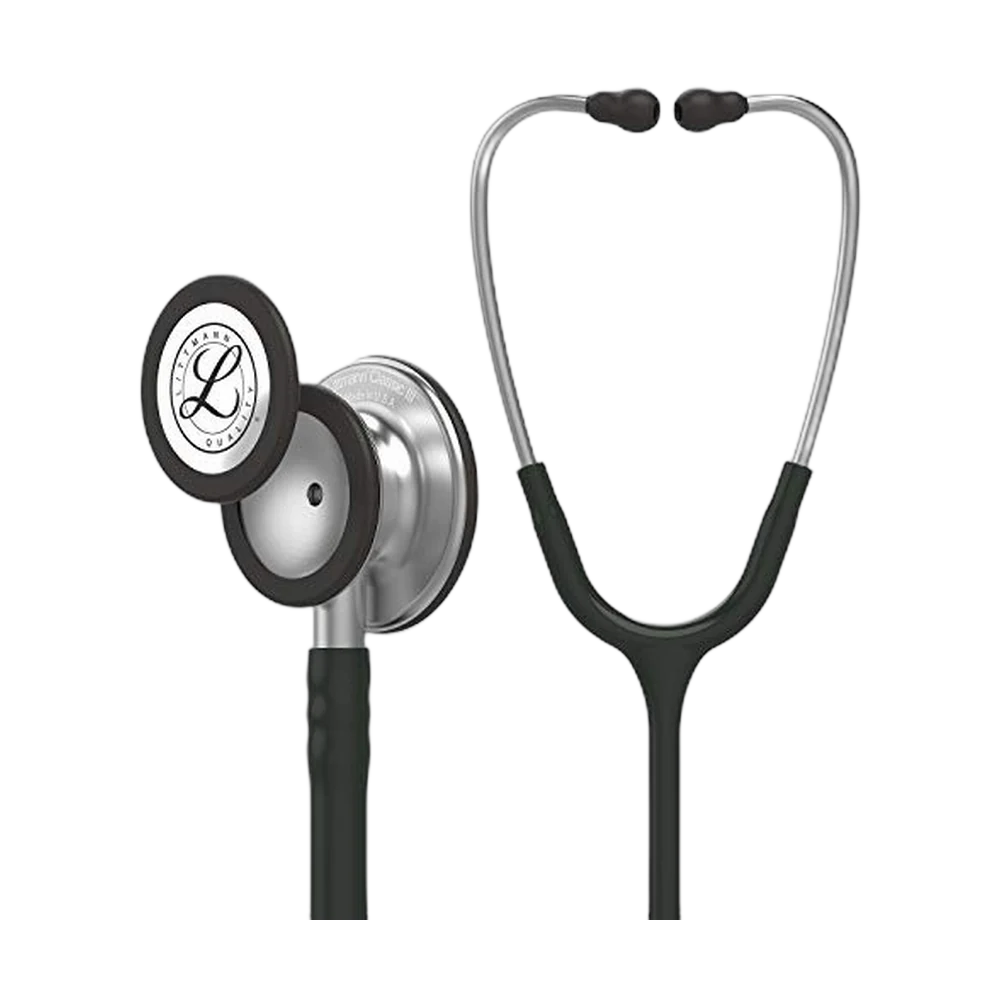
This is the single purchase where the student answer stops being the right answer. Not because a school scope fails clinically — it does not — but because your usage pattern changes overnight. You go from a handful of supervised assessments a week to twenty-plus listens a shift, on a loud unit, often through a gown, frequently while something is beeping. Acoustics that were adequate for a check-off get tiring fast at that volume.

Two practical notes. Engrave or label it the day it arrives; scopes walk, and an identified scope comes back far more often than an anonymous one. And do not let the upgrade become a status purchase — a mid-tier monitoring scope is the workhorse answer for medical-surgical, step-down and most floor work, with the cardiology tier reserved for critical care.

Look like an RN, because people will assume you are not one

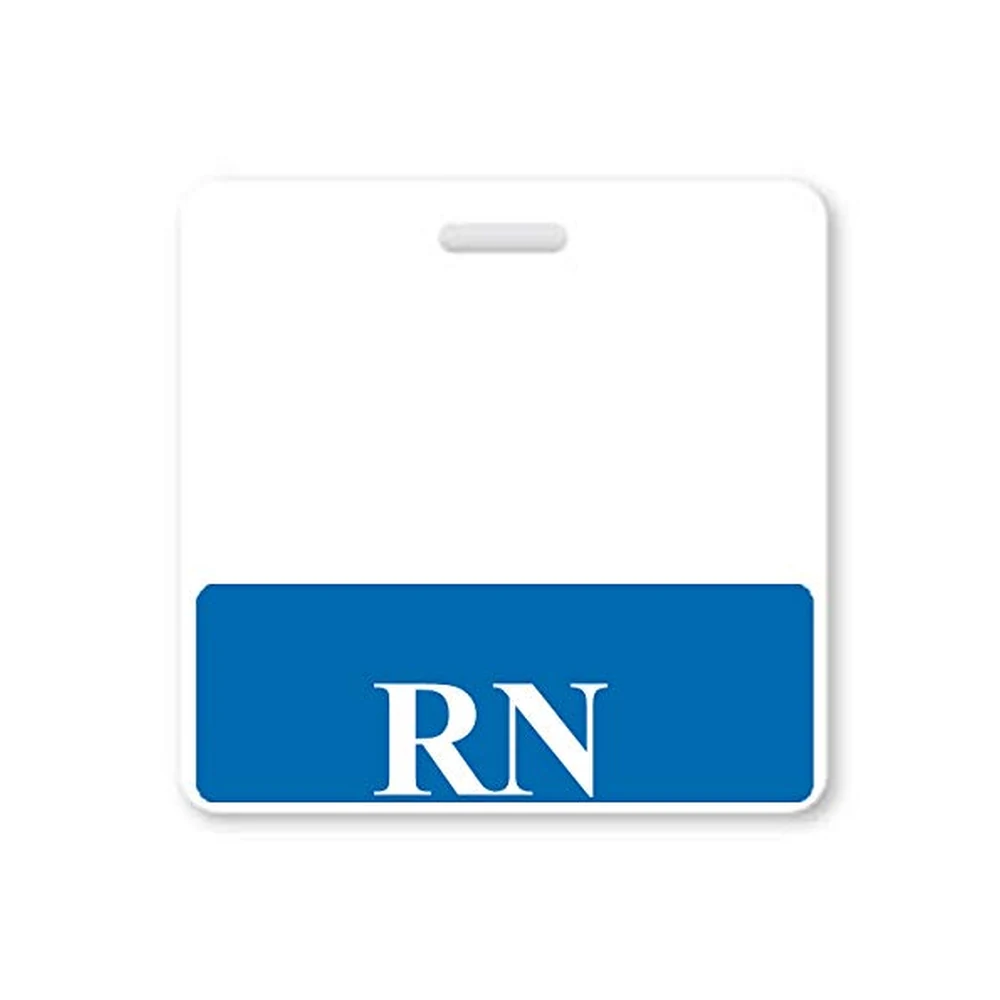
New grads get read as students and as techs, by families and sometimes by other staff. It is not malicious — you are young in the role, and the badge photo is the only signal most people get. A horizontal badge buddy that says RN in letters legible from across a room is a six-dollar fix for a conversation you would otherwise have five times a shift.

The other week-one purchase nobody warns you about is a warm-up jacket. Units run cold, and a new grad spends the first month standing still at a computer far more than an experienced nurse does. Being cold for twelve hours degrades everything else you are trying to learn.

Spend the first real paycheck on your feet

Three twelves is a different physical load than clinical days were, and it arrives faster than anyone expects — usually in the second or third week, as a specific ache that school did not prepare you for. The pattern in owner reports is consistent: nurses who stay on their feet gravitate toward high-stack cushioned trainers and re-buy the same model. We research rather than test, so treat that as the aggregate of what people report, not a lab finding, and remember that cushioning preference is genuinely individual.

Pair the shoes with graduated compression, and if you can afford it, rotate two pairs so the foam has a day to recover. That is the whole intervention. There is no gear answer to a short-staffed shift, but there is a gear answer to hour ten, and it costs less than most new grads assume.

The first ninety days, in order

Deliberately staggered. Half of this list is better bought after you have met your unit.

WhenWhat to haveWhy then
Before day oneStethoscope, folding clipboard, shoes, lunch bagThe four things you cannot borrow on a floor that has not met you yet.
Week oneBadge buddy, badge reel, an inexpensive watchIdentity, access and a second hand — all needed before anyone has time to explain them.
Weeks two to fourWarm-up jacket, compression socksBy now you know how cold the unit runs and how your legs feel at hour ten.
First full paycheckThe shoes you actually wanted, better shearsDeferred on purpose. You have met your unit's habits and can buy for them.
Month threeReplace whatever has already brokenThe first thing to break is a reliable signal about what you use most.

Before you spend the graduation money

You are about to be given a badge, a locker and very little else, and the temptation is to solve that in one order the week before orientation. Half of this list gets better — not cheaper, better — if you wait until you have worked three shifts on the actual unit.

  1. Has your employer told you what it issues and what it requires?Scrub colour, badge rules and what the unit stocks vary by employer, and the answer arrives at orientation. Buying uniform items before that is how new grads end up with a set they cannot wear.
  2. Do you know how cold your unit runs, and how much you stand still?Those two facts decide the warm-up layer and the compression sock, and neither is knowable from outside the building. Both are cheap to add in week three.
  3. Are you buying this for the job, or for the milestone?Both are fine — a stethoscope is a legitimate graduation present. It is worth knowing which one you are doing, because the milestone purchase can wait for the first full paycheck without costing you anything on shift.

Nine picks for the first ninety days

Ordered roughly the way the timeline above spends money. Prices at the affiliate retailers we link move constantly.

Have this before day one · 5

Nothing here depends on a requirement you have not been told yet.

Littmann Classic III Monitoring Stethoscope (5620)
Stethoscopes86 · Score$96.29

Littmann Classic III Monitoring Stethoscope (5620)

Why this one, for you: The graduation upgrade that earns itself back in a month of twenty-listens-a-shift. Dual-sided with a tunable diaphragm, so you are not switching heads mid-assessment while a family watches you fumble.

Check price →See the full scoring →
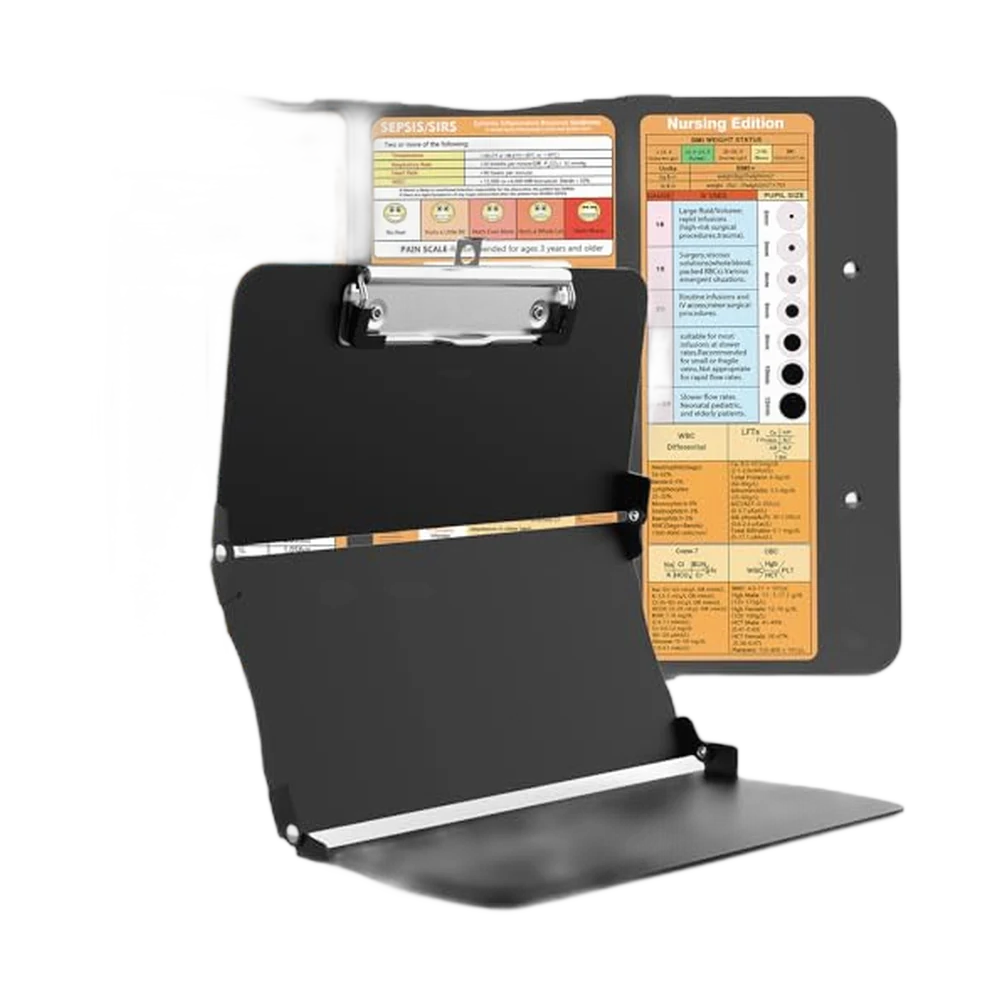
Cooperwin Trifold Nursing Clipboard
Nursing Clipboards & Brain Boards86 · Score$16.99

Cooperwin Trifold Nursing Clipboard

Why this one, for you: A new grad's brain sheet is longer than an experienced nurse's, because you are still writing down what they hold in their head. Three panels is the right amount of paper real estate for that stage, and it closes over patient names.

Check price →See the full scoring →
Specialist ID Horizontal RN Badge Buddy
Badge Reels & ID Accessories79 · Score$5.99

Specialist ID Horizontal RN Badge Buddy

Why this one, for you: Under six dollars to stop being mistaken for a student. It is the cheapest item on this page and the one new grads mention most often as an unexpected relief.

Check price →See the full scoring →
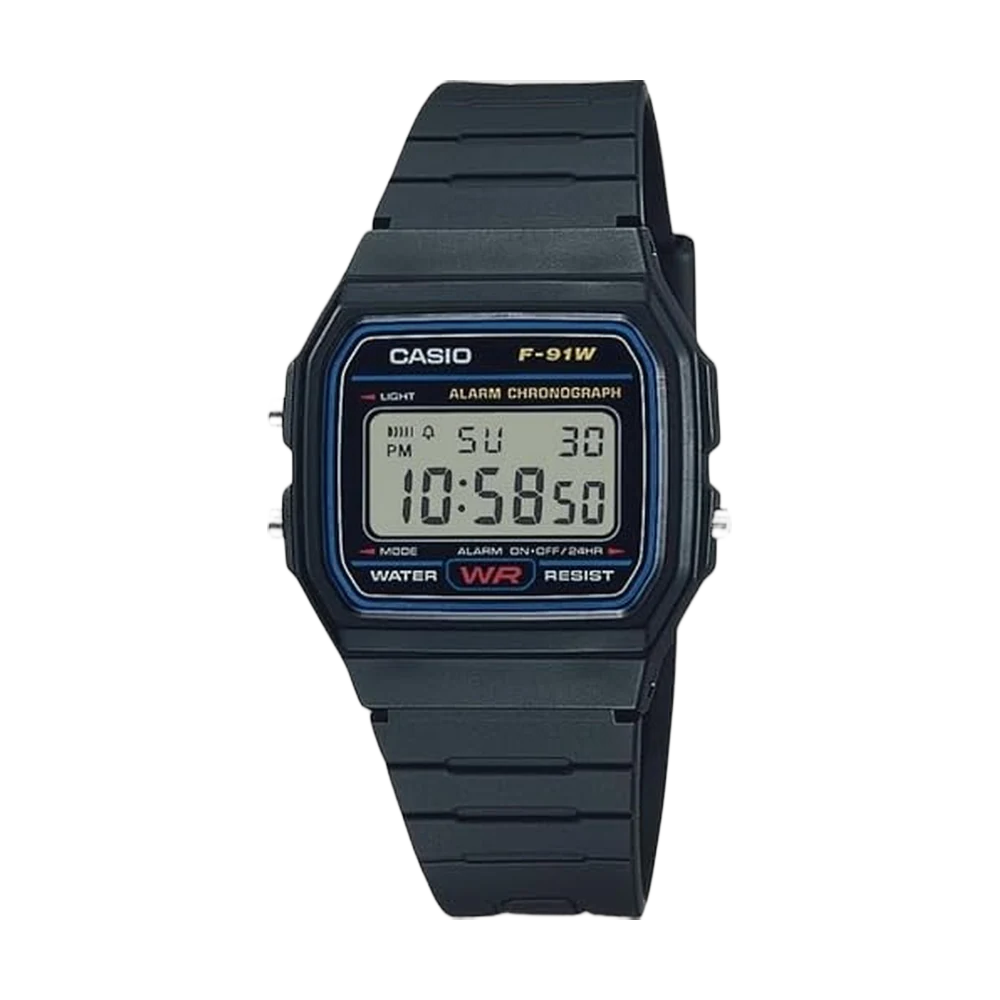
Casio F91W-1 Digital Sport Watch
Nurse Watches84 · Score$21.92

Casio F91W-1 Digital Sport Watch

Why this one, for you: Buy the watch you will not mourn. First-year nurses knock, soak and sanitize everything on their wrists, and a twenty-five-dollar digital with a clear display is the version you replace without a second thought.

Check price →See the full scoring →
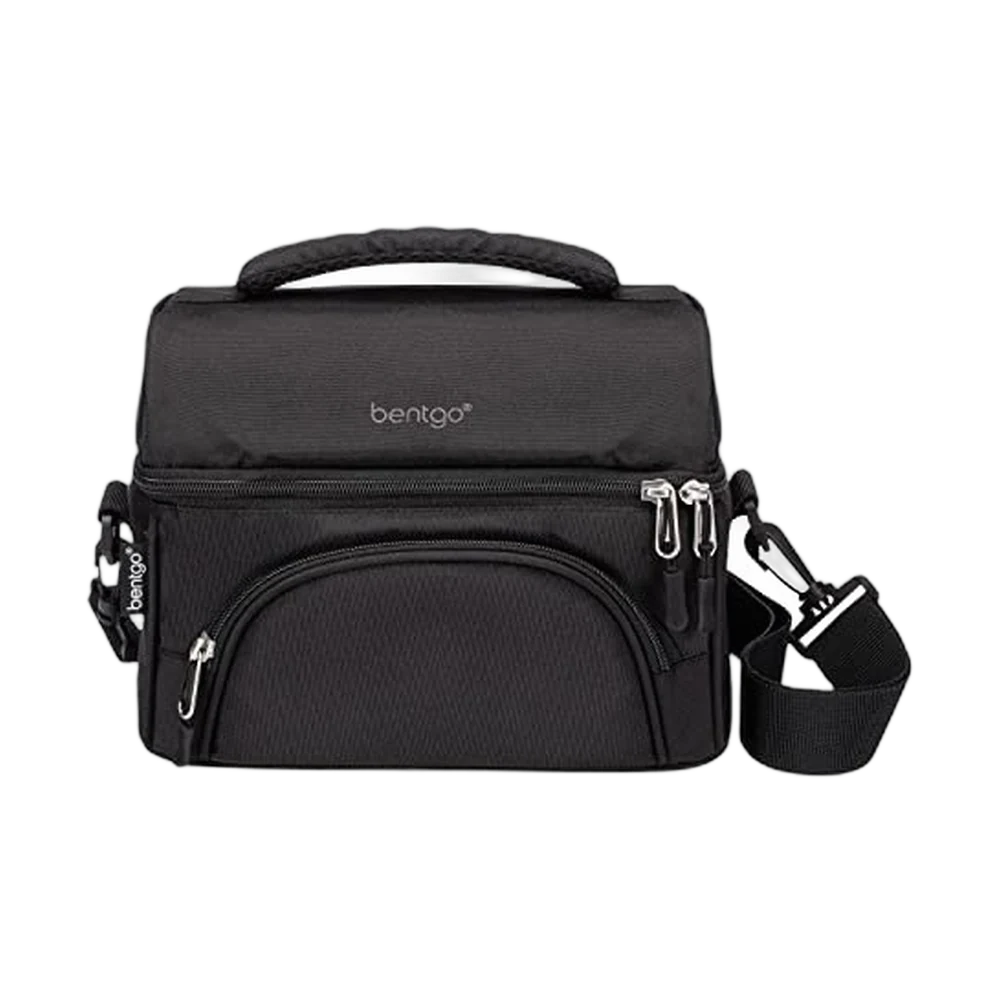
Bentgo Deluxe Insulated Lunch Bag
Lunch Boxes & Meal Bags83 · Score$24.99

Bentgo Deluxe Insulated Lunch Bag

Why this one, for you: Insulated and structured enough to survive a shift in a break-room fridge that everyone raids. Eating on your first rotation of nights is a skill, and it starts with food that is still worth eating at 3 a.m.

Check price →See the full scoring →

Confirm with your program or unit first · 1

These are the right answers ONLY once you know the rule they have to satisfy. Ordering before you know is how the money gets wasted.

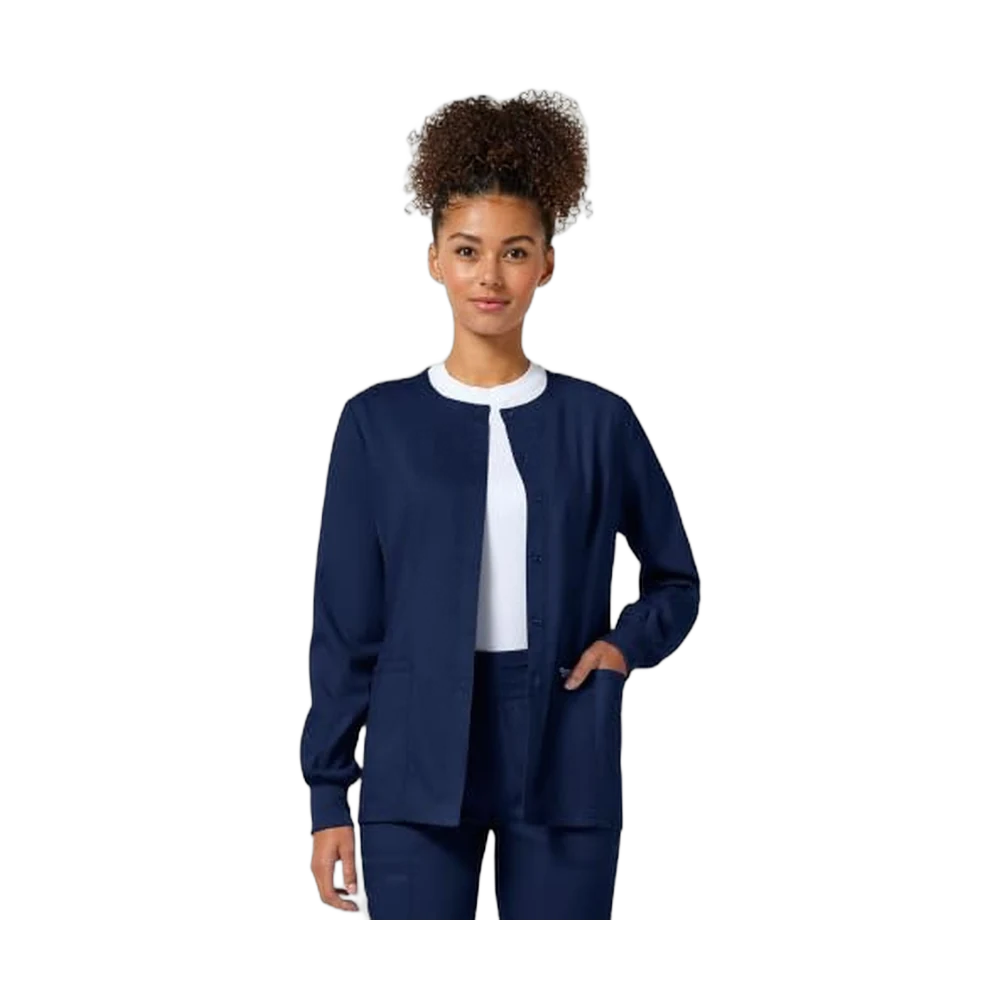
Cherokee Workwear Revolution Women's Warm-Up Jacket
Scrub Jackets & Underscrubs84 · Score$31.99

Cherokee Workwear Revolution Women's Warm-Up Jacket

Why this one, for you: The week-two purchase nobody warns you about. New grads stand still at a workstation more than experienced nurses do, and a snap-front warm-up you can shed in a patient room solves that without a layer to pull over your head.

Check first: Whether the scrub colour is policy or convention is an orientation-day question, and a warm-up layer is a uniform item. Ask before you order the colour.

Check price →See the full scoring →

Buy later, once you know how the job actually goes · 3

Deferred on purpose. Each one gets a better decision — not a cheaper one — after a few real shifts.

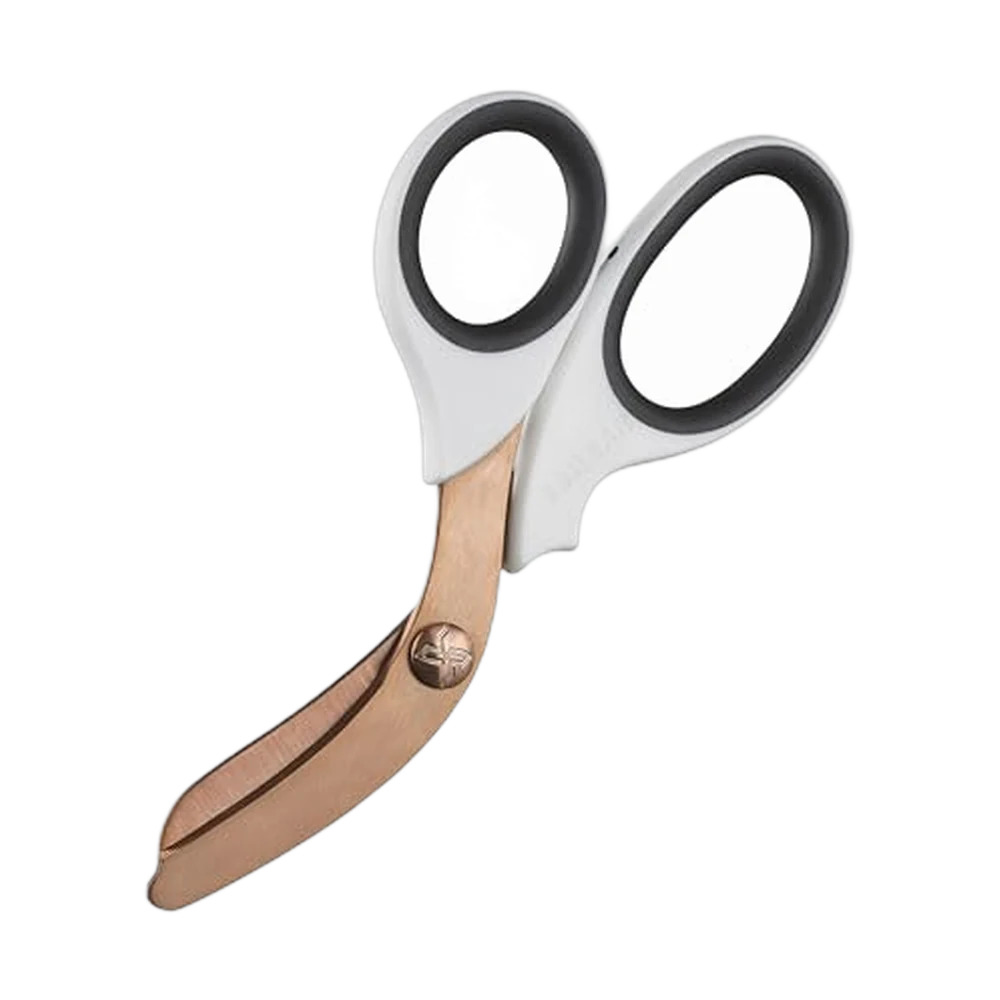
XShear 7.5 in Extreme Duty Trauma Shears
Trauma & Nursing Shears86 · Score$44.00

XShear 7.5 in Extreme Duty Trauma Shears

Why this one, for you: The first-paycheck upgrade from student shears. Titanium-bonded blades resist the adhesive gum that ruins a cheap pair inside a month, which matters once you are cutting tape every shift rather than every clinical day.

Check first: The first-paycheck upgrade. Student shears cut tape fine until you are doing it every shift.

Check price →See the full scoring →
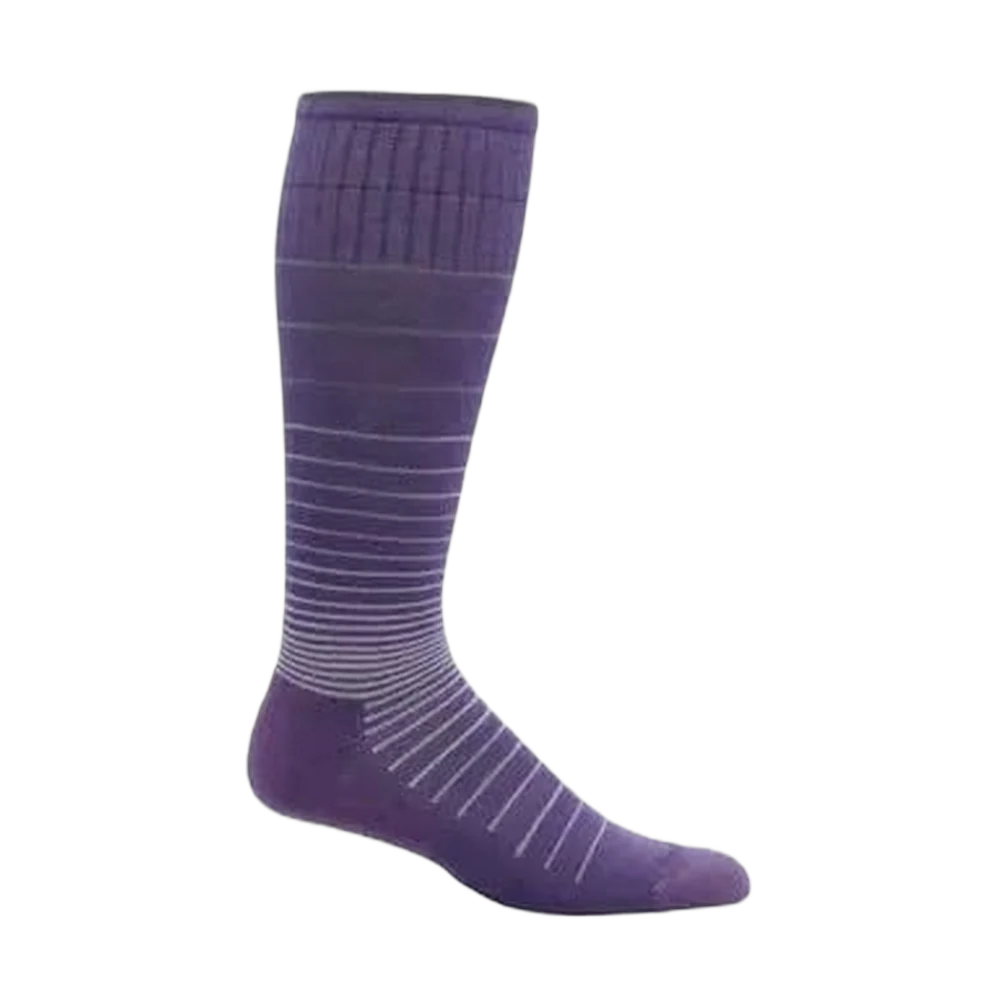
Sockwell Circulator Compression Sock
Compression Socks79 · Score$32.95

Sockwell Circulator Compression Sock

Why this one, for you: Merino over synthetic once you are working three twelves, because the shifts stack and these do not hold odour the way a cheap multipack does. A sensible first upgrade from the student eight-pack.

Check first: Worth waiting two weeks: how your legs feel at hour ten on this unit is the thing you are buying for, and you cannot know it yet.

Check price →See the full scoring →
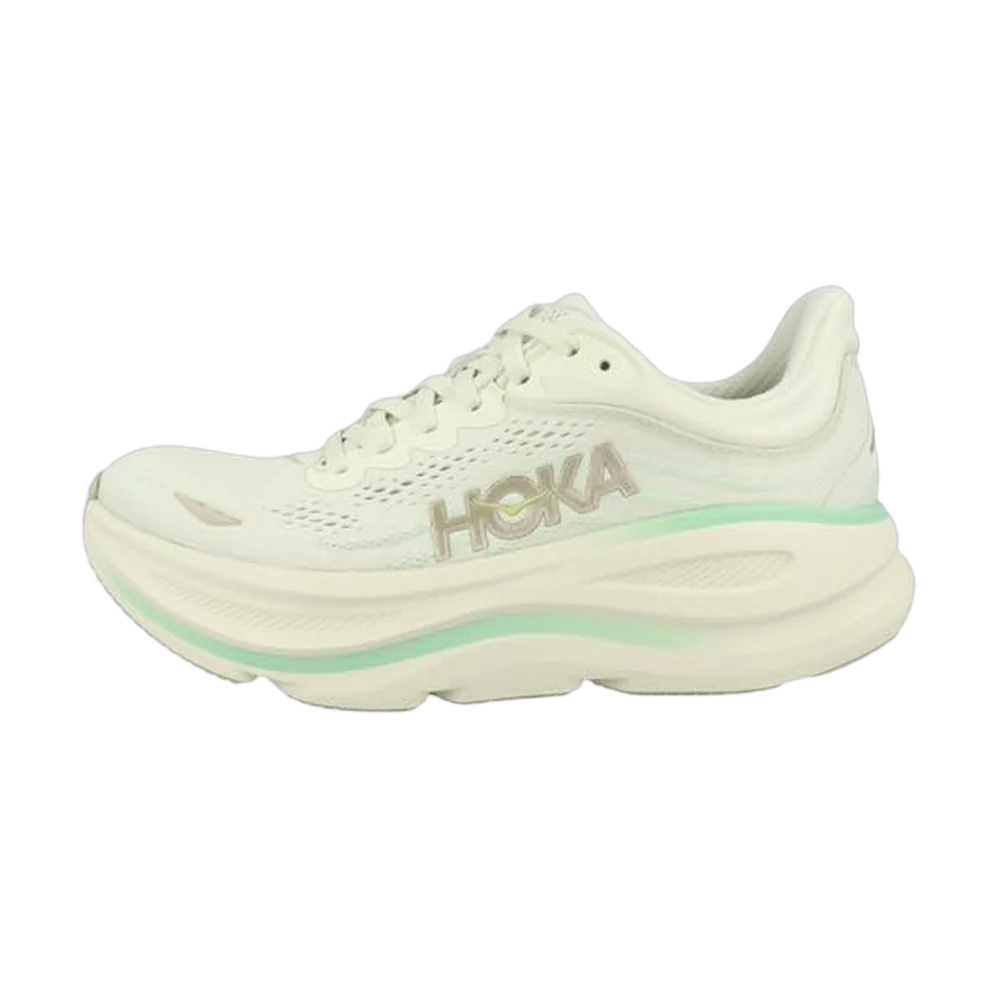
HOKA Bondi 9
Nursing Shoes & Sneakers75 · Score$152.54

HOKA Bondi 9

Why this one, for you: The classic first-paycheck shoe. Maximum stack height in our catalog, and the model working nurses re-buy most often in owner reports — which is the strongest signal available to us, since we research rather than test.

Check first: The shoes you actually wanted, bought once you have met your unit's floors and its footwear rule. Fit and gait are individual; a shoe that does not suit your foot is a bad purchase at any price.

Road build, not the Bondi SR: HOKA states no slip-resistance rating, and the engineered-mesh upper cannot be wiped down. Check your unit's footwear policy first.

Check price →See the full scoring →

Skip these for now

  • A $300 'nurse starter bundle'Usually a mid-tier stethoscope plus a pile of items you will lose in a month, sold at a premium for the packaging. Three or four picks bought separately cost less and land better.
  • A second set of everything, before day oneThe first thing to break is a reliable signal about what you actually use. Replace on evidence, not on anticipation.
  • Uniform items in a colour nobody has confirmedScrub colour and layering rules come from the employer, and they arrive at orientation, not before it.

We research rather than lab-test: manufacturer specifications, owner reports and published guidance, said plainly. Prices at the affiliate retailers we link change constantly, and nothing on this page is medical advice or a substitute for your facility's policy. How we score.

Read next

Nurse Essentials (2026): What You Actually Need to Buy

Read →

Best Shoes for Nurses (2026): 6 Picks for 12-Hour Shifts

Read →

How Should Scrubs Fit, and What Are Scrubs Made Of?

Read →

Buying this for someone else?

Gifts for new nurse graduates

The week-one kit as a gift list — pinning, graduation and first day, without the starter-bundle markup.

Gifts for nurses

The broader list, if you are shopping for someone whose first year is already behind them.

Questions we get asked

What should I actually bring on my first day on the floor?

A stethoscope, something to write on, shoes you can stand in for twelve hours, and food. Everything else — shears, penlight, badge accessories, a jacket — can wait a week or two while you learn what your unit stocks and what your preceptor expects you to carry.

Is a Littmann Classic III worth it for a new grad?

For most floor roles, yes: your listening volume jumps sharply after orientation, and a tunable dual-sided chestpiece removes a fumble from every assessment. For critical care, look at the cardiology tier instead. For a student, it is usually premature — the check-off does not need it.

Do new grads need their own shears and pulse oximeter?

Shears, yes — almost every nurse ends up carrying a personal pair, and units rarely supply them reliably. A personal oximeter is optional on an inpatient unit, where you chart from the unit's own equipment. It becomes genuinely useful if you move into home health or community nursing.

How many pairs of work shoes should I have?

One good pair is enough to start. If your budget allows two, rotating them gives the midsole foam a day to decompress between shifts, which owners consistently report extends how long a pair feels supportive. That is a comfort observation from reported use, not a durability test.

Nobody's first year is made harder by owning the wrong shears. It is absolutely made harder by a stethoscope you cannot hear through, shoes that hurt by hour six, and skipping lunch four shifts running.

Not quite you?