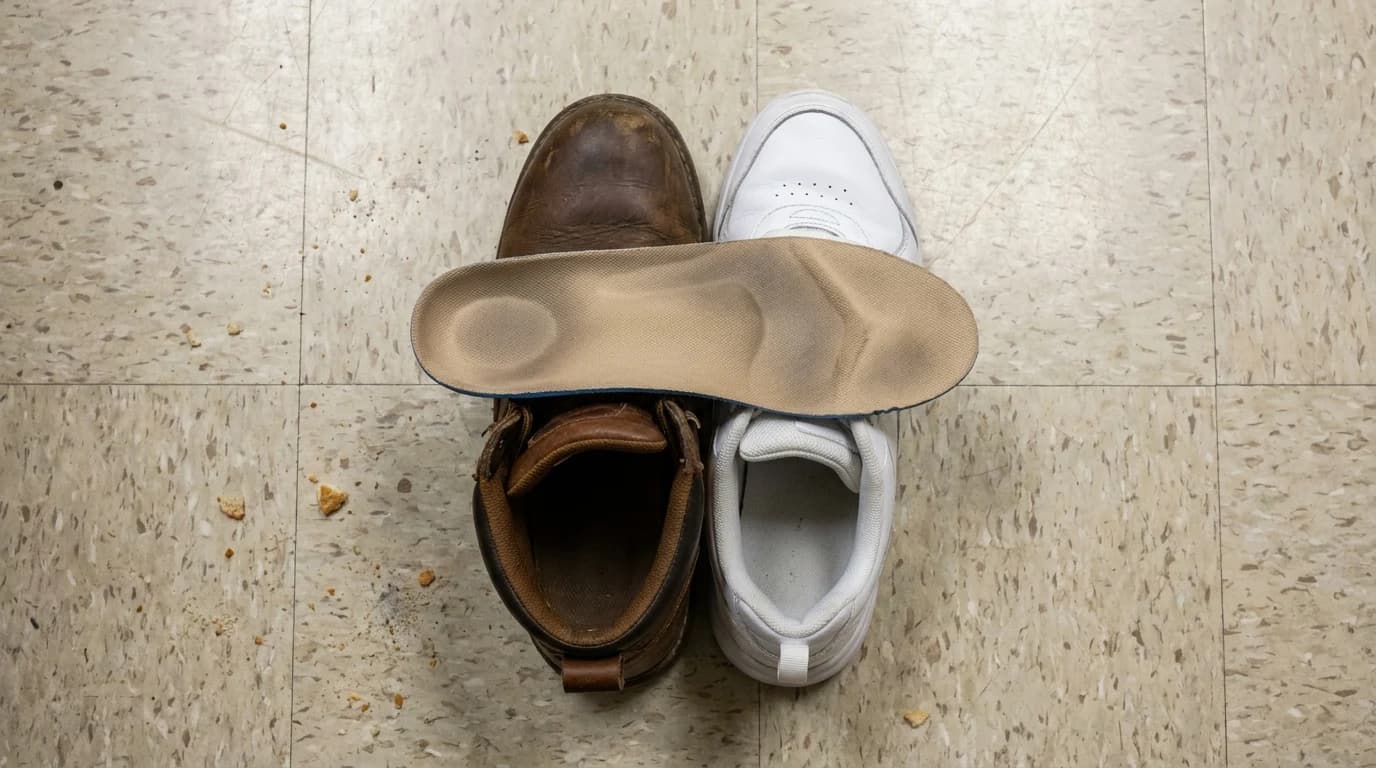
Best Insoles for Standing All Day (2026): 6 Top Picks
A good shoe with a flattened footbed is a $40 problem, not a new-shoes problem, and structure beats softness every time.
Read the guide →Aftermarket footbeds for shoes and clogs whose stock insole has already flattened — the cheapest way to make a shoe you own work for twelve hours.
PowerStep's Pinnacle is the default: firm-but-flexible arch support with a deep heel cradle and dual-layer cushioning, in the $40-50 range, and it is what PowerStep itself points nurses toward. Superfeet's high-arch model is the more rigid, longer-lasting alternative if your arch is genuinely high. The tradeoff is structure versus squish, and the honest answer is that structure is what a 12-hour shift needs.
Swipe the table sideways to reach all 6 picks — the row labels stay pinned on the left.
| The picks | Editorial #1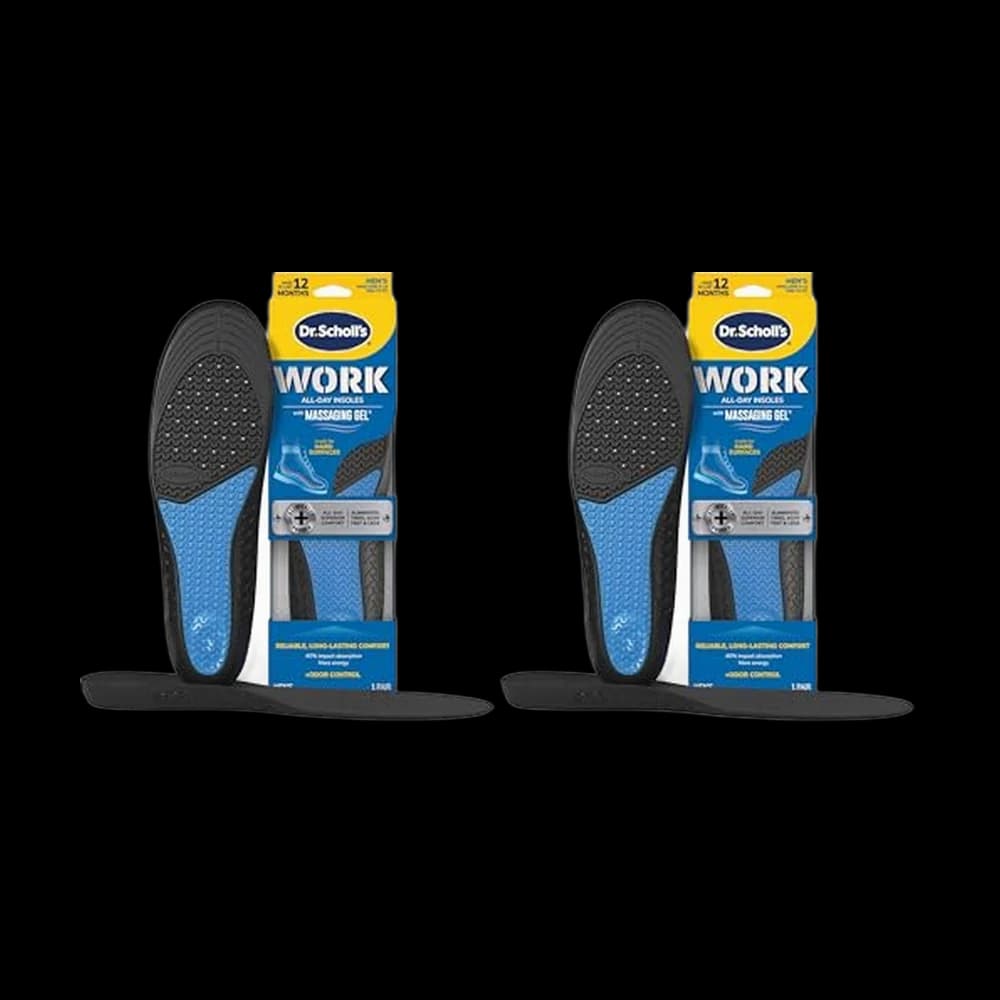 TOP PICKDr. Scholl's Work All-Day★ Owner rating4.5 (60,838) TOP PICKDr. Scholl's Work All-Day★ Owner rating4.5 (60,838) | Editorial #2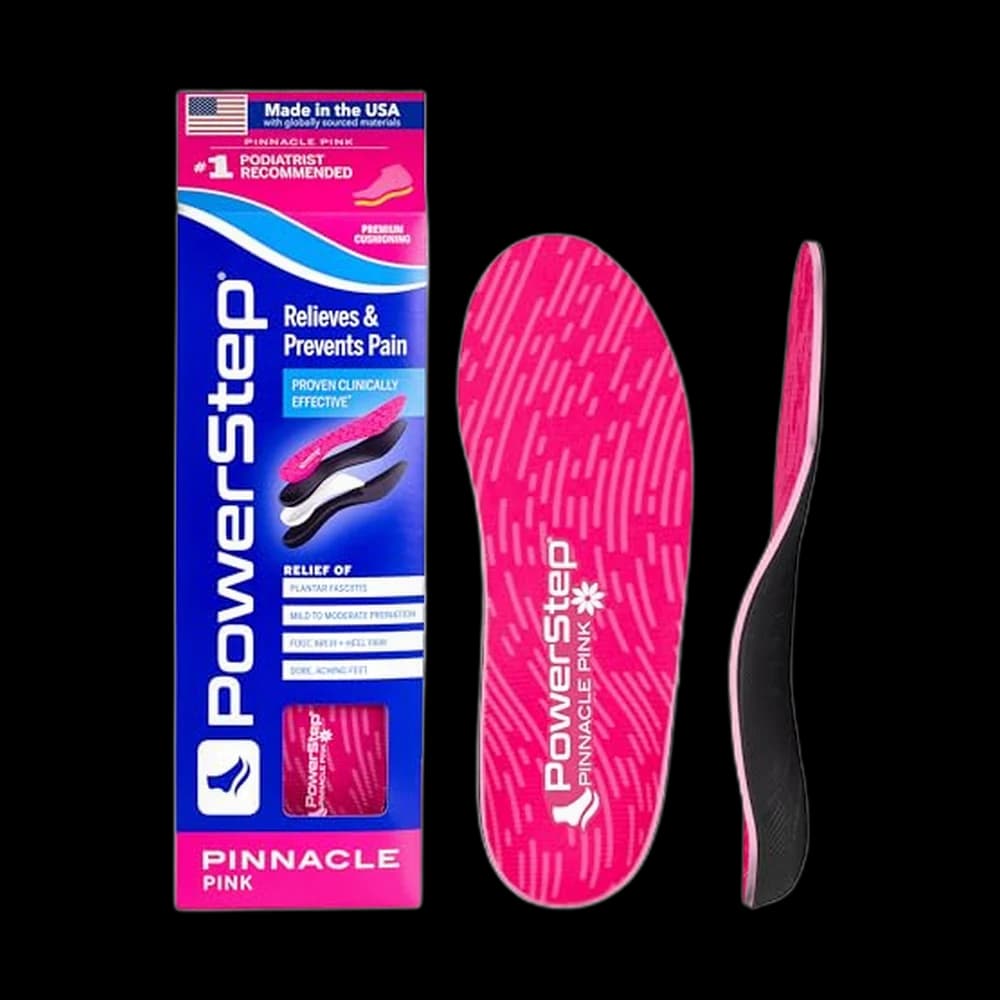 #2PowerStep Pinnacle★ Owner rating4.5 (9,063) #2PowerStep Pinnacle★ Owner rating4.5 (9,063) | Editorial #3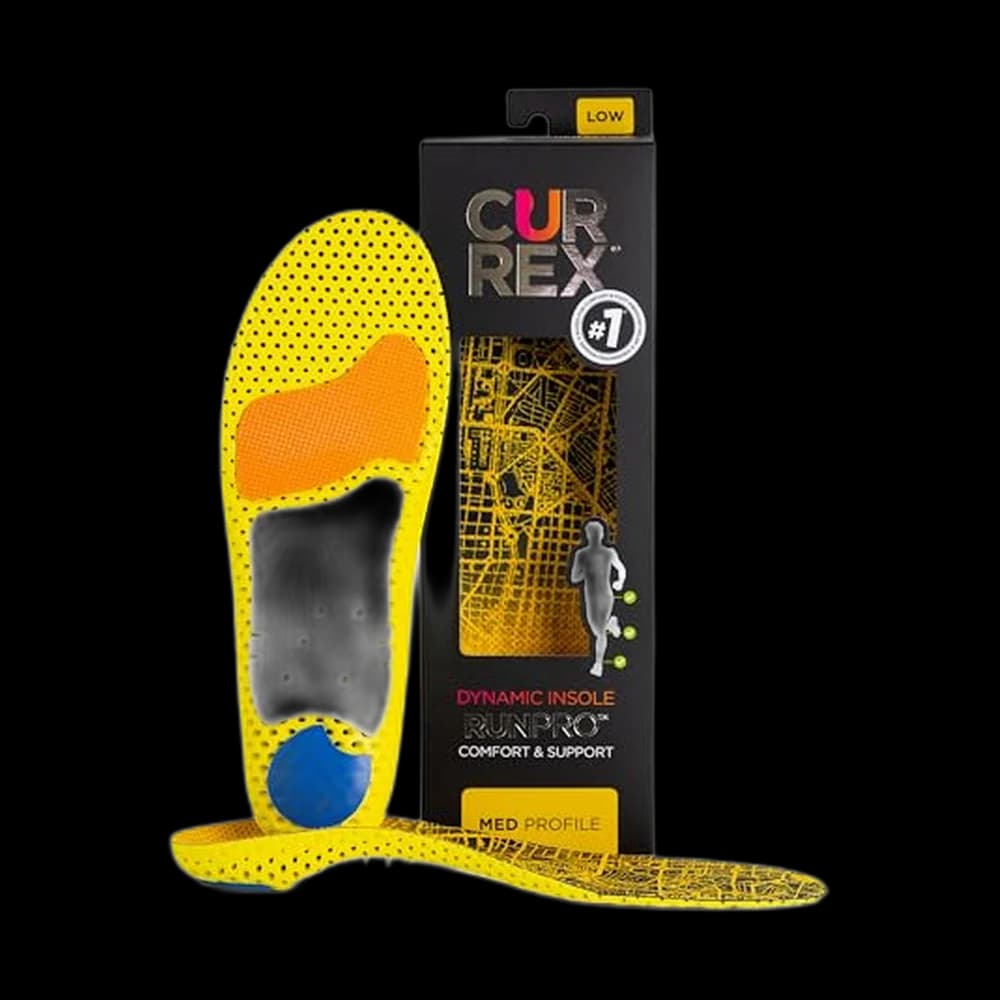 #3CURREX RunPro★ Owner rating4.5 (3,103) #3CURREX RunPro★ Owner rating4.5 (3,103) | Editorial #4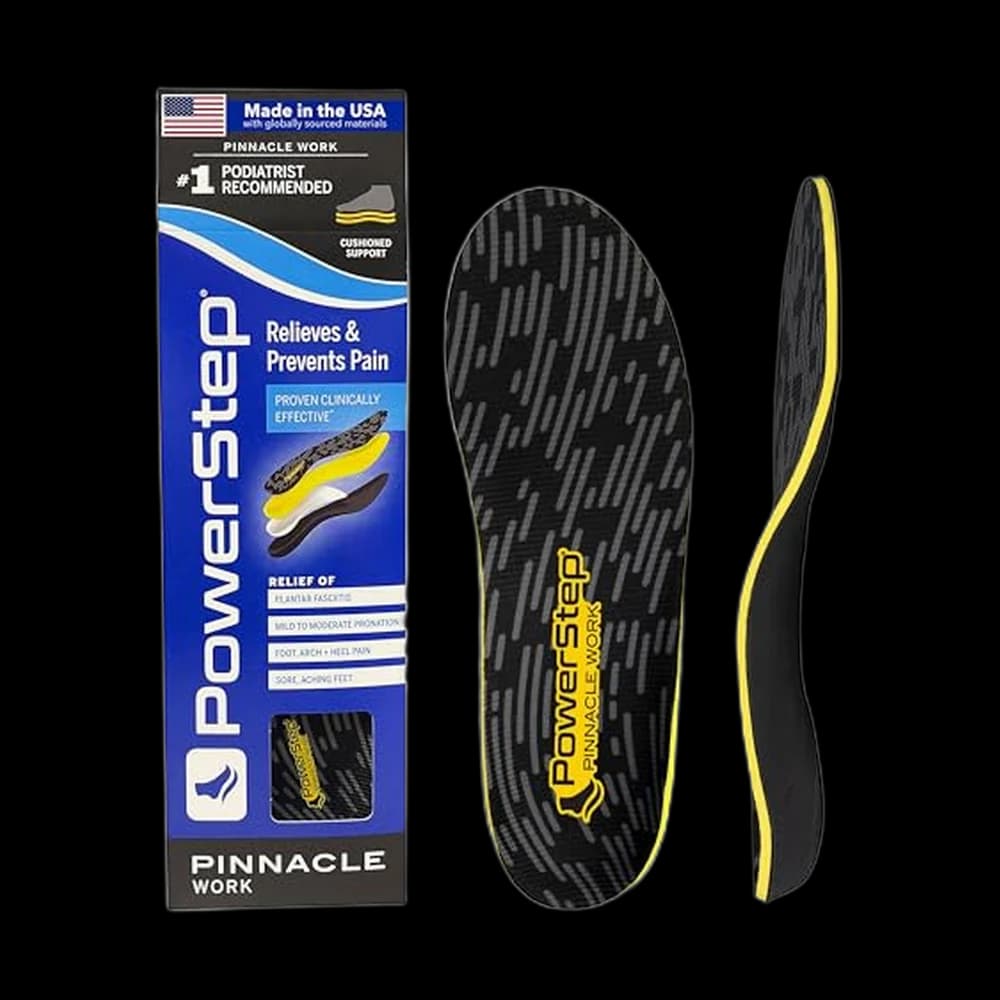 #4PowerStep Pinnacle Work★ Owner rating4.4 (3,107) #4PowerStep Pinnacle Work★ Owner rating4.4 (3,107) | Editorial #5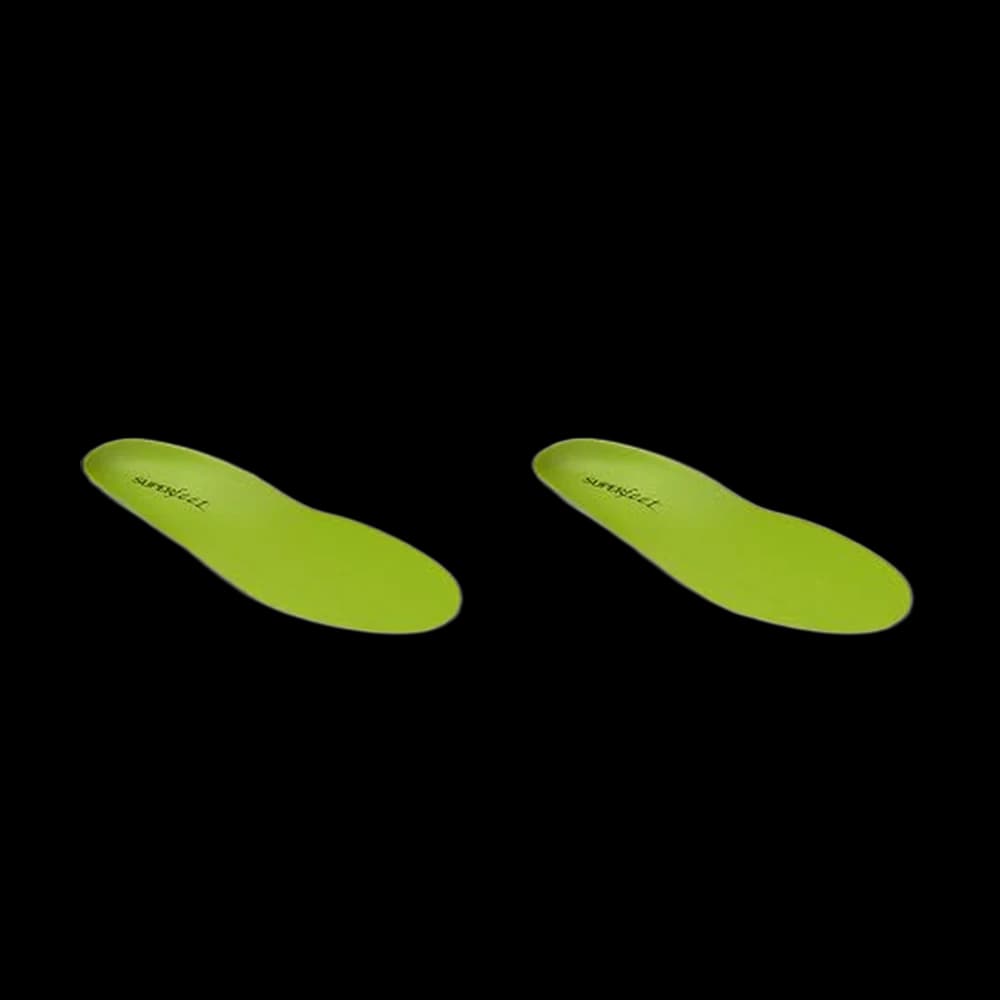 #5Superfeet High Arch Green★ Owner rating4.4 (34,516) #5Superfeet High Arch Green★ Owner rating4.4 (34,516) | Editorial #6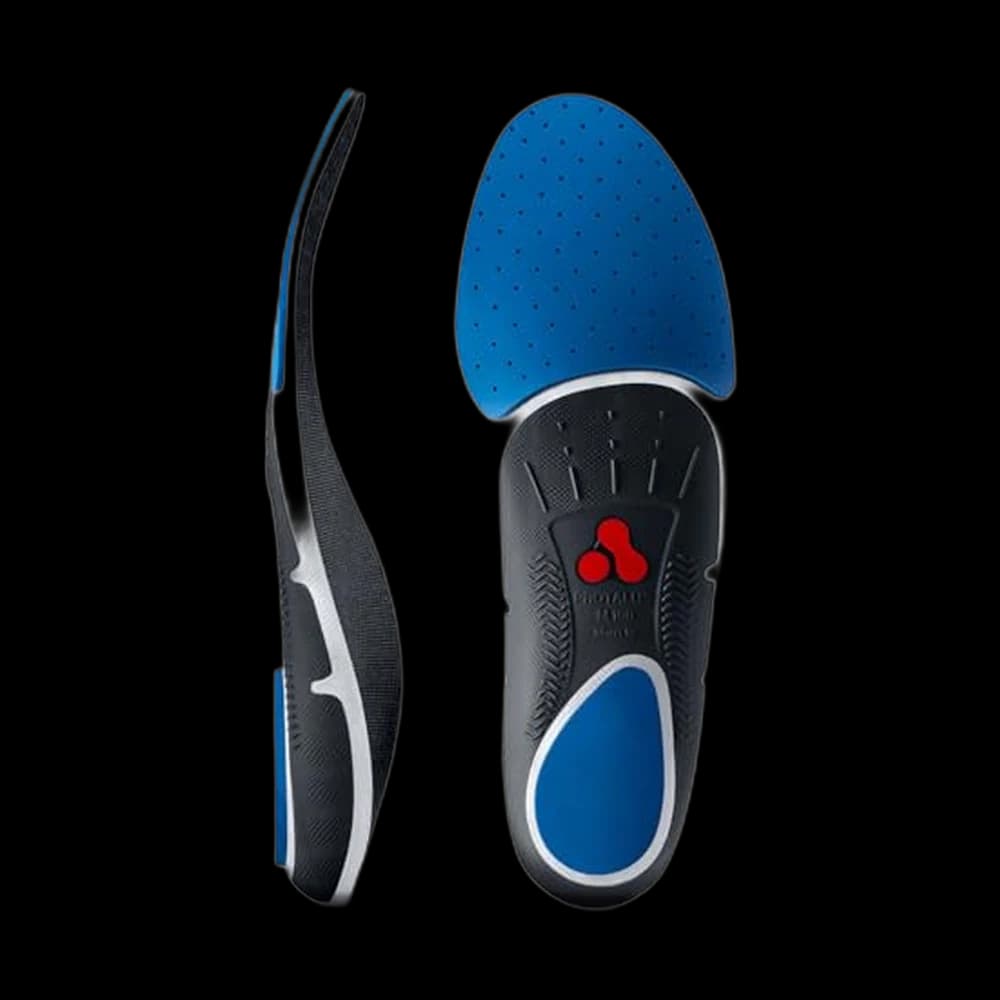 BEST VALUEProtalus M100★ Owner rating4.4 (2,155) BEST VALUEProtalus M100★ Owner rating4.4 (2,155) |
|---|---|---|---|---|---|---|
| Buy | Buy on Amazon · $25.78Price checked Oct 10 | Buy on Amazon · $49.95Price checked Oct 10 | Buy on Amazon · $59.95Price checked Oct 10 | Buy on Amazon · $44.99Price checked Oct 10 | Buy on Amazon · $109.90Price checked Oct 10 | Buy on Amazon · $34.95Price checked Oct 10 |
| NurseComforts Score | 80 Arch Support Structure90Heel Stability75Shift-Length Durability75Shoe Compatibility78Top Cover & Moisture75Value87Owner Satisfaction76 Leads on Arch Support Structure 90; gives up most on Top Cover & Moisture 75. | 78 Arch Support Structure78Heel Stability81Shift-Length Durability75Shoe Compatibility78Top Cover & Moisture75Value77Owner Satisfaction79 Leads on Heel Stability 81; gives up most on Top Cover & Moisture 75. | 75 Arch Support Structure78Heel Stability81Shift-Length Durability75Shoe Compatibility78Top Cover & Moisture75Value64Owner Satisfaction79 Leads on Heel Stability 81; gives up most on Value 64. | 75 Arch Support Structure76Heel Stability79Shift-Length Durability73Shoe Compatibility76Top Cover & Moisture73Value76Owner Satisfaction73 Leads on Heel Stability 79; gives up most on Owner Satisfaction 73. | 73 Arch Support Structure82Heel Stability79Shift-Length Durability73Shoe Compatibility76Top Cover & Moisture73Value63Owner Satisfaction75 Leads on Arch Support Structure 82; gives up most on Value 63. | 71 Arch Support Structure82Heel Stability73Shift-Length Durability73Shoe Compatibility76Top Cover & Moisture73Value63Owner Satisfaction68 Leads on Arch Support Structure 82; gives up most on Value 63. |
| What buyers say | ↑ Quality↑ Comfort↑ Functionality↑ Value for money~ Foot Relief~ Fit~ Arch SupportBuyers praise quality, comfort, functionality and value for money. Mixed feedback on foot relief and fit. Some flag durability.Based on 7,539 review mentions | ↑ Quality↑ Arch Support↑ Comfort↑ Pain Relief~ Fit~ Value for money~ FirmnessBuyers praise quality, arch support, comfort and pain relief. Mixed feedback on fit and value for money.Based on 2,991 review mentions | ↑ Quality↑ Arch Support↑ Comfort↑ Fit~ Value for moneyBuyers praise quality, arch support, comfort and fit. Mixed feedback on value for money.Based on 699 review mentions | ↑ Quality↑ Comfort↑ Effectiveness↑ Arch SupportBuyers praise quality, comfort, effectiveness and arch support. Some flag durability and arch height.Based on 905 review mentions | ↑ Quality↑ Arch Support↑ Foot Relief↑ Functionality~ Fit~ Comfort~ Value for moneyBuyers praise quality, arch support, foot relief and functionality. Mixed feedback on fit and comfort.Based on 16,942 review mentions | ↑ Effectiveness↑ Arch Support↑ Durability~ Comfort~ Fit~ CushioningBuyers praise effectiveness, arch support and durability. Mixed feedback on comfort and fit. Some flag value for money.Based on 414 review mentions |
| Arch Profile | Not stated; this is a cushioning insole rather than a contoured arch profile | Neutral, using the PowerStep arch shape | Sold in low, medium and high; this listing is the medium arch profile | Neutral, contoured | High arch | Not stated as a specific height; the manufacturer states it is suitable for both low and high arches |
| Support Level | Cushioning-focused with extended Massaging Gel and responsive foam; no structured arch support stated | Firm but flexible with motion control and a deep heel cradle, plus dual-layer cushioning | Dynamic and flexible rather than rigid, with a deep decoupled heel cup and PORON foam cushioning | Firm but flexible neutral arch with deep heel cradle, motion control and premium dual-layer cushion | Firm and structured: sculpted deep heel cup with high-density closed-cell foam, designed for support rather than cushioning | Alignment-focused pad-style construction with cushioning and shock absorption; no firmness rating published |
| Full/Three-Quarter Length | Full length, trim to fit | Full length | Full length, trim to fit, zero heel drop | Full length; requires a removable factory insole | Full length, trim to fit | Full length replacement insole |
| Size Range | Trim to fit most work shoes and boots; this listing is the men's version, pack of 2 pairs | Exact-fit by shoe size, no trimming required; this listing is women's 9-9.5 / men's 7-7.5 | Sized in bands by arch profile and shoe size; this listing is Size Medium, Medium Arch | Sized by shoe size; this listing is men's 10-10.5 / women's 12 | Sized in shoe-size bands, trim to fit; size up if between sizes. This listing is men's 11.5-13 / women's 12.5-14, pack of 2 | Sized by shoe size; this listing is men's 10.5 |
Buyer-sentiment chips and summaries come from Amazon’s review-summary data. As an Amazon Associate we earn from qualifying purchases. Prices and availability are subject to change.
The reasoning behind each rank — the numbers live in the table above.
#1 · Dr. Scholl's Work All-Day Superior Comfort Insole
This is the cheapest way to find out whether your problem is cushioning or support: extended Massaging Gel under the whole foot, trimmed to fit almost any work shoe or boot, with Polygiene StayFresh odor control in the top cover. It earns the budget slot because it costs a fraction of a structured orthotic and answers the diagnostic question in a week. The tradeoff is honest and important: gel cushions, it does not hold an arch, and it packs down faster than a structured orthotic, so if your pain is arch or heel-specific this is a stopgap rather than a fix.
✓ Extended Massaging Gel cushioning under the full foot, aimed at concrete and tile
✗ Cushions but does not hold the arch; no structured arch profile is stated
Main button: men's sizes
#2 · PowerStep Pinnacle Orthotic Insole
The Pinnacle is the default first move for shift-long arch fatigue: a firm-but-flexible neutral arch shape, a deep heel cradle for motion control, and dual-layer cushioning rather than a single foam slab. It earns the mid-range pick because it is exact-fit, sized to your shoe size with no trimming, which removes the most common way people ruin an insole on day one. The tradeoff is that it is full-length and needs a shoe with a removable factory insole, so it will not go into a molded clog.
✓ Firm but flexible neutral arch support with built-in motion control
✗ Requires a shoe with a removable factory insole; it will not fit a molded clog
Main button: the women's (pink) version
#3 · CURREX RunPro Insole
RunPro is sold in low, medium and high arch profiles rather than one shape, which is the whole argument for it: if generic insoles have always felt like the wrong height, this is the line that lets you match. It pairs a deep decoupled heel cup with PORON premium foam and a zero heel drop so it does not change how your shoe fits, and it folds at the flex point instead of fighting your stride. The tradeoff is that it is deliberately dynamic rather than rigid, so if you want firm correction the Superfeet does a different job, and CURREX says to replace it after 500 miles or 12 months.
✓ Three arch profiles, low, medium and high, so you can match your actual foot
✗ Deliberately flexible, so it is the wrong pick if you want rigid correction
#4 · PowerStep Pinnacle Work Insole
The Work version of the Pinnacle is built for shifts on hard floors: the same firm-but-flexible neutral arch and deep heel cradle, with a premium dual-layer cushion PowerStep says is designed to bounce back rather than go flat. It earns its place as the replacement footbed for a clog or work shoe whose removable insole has given up. The tradeoff is bulk, because the thicker work profile will crowd the upper of a slim running shoe, and it still needs a shoe whose factory insole comes out.
✓ Firm but flexible contoured neutral arch support with a deep heel cradle
✗ Thicker work profile will crowd the fit of a slim running shoe
#5 · Superfeet All-Purpose Support High Arch, Green
This is the old Superfeet GREEN under its new name, and it is the structure pick rather than the cushioning pick: a sculpted deep heel cup and high-density closed-cell foam that hold their shape long after gel and soft foam insoles have flattened. It earns the premium slot for exactly the job clogs and firm work shoes need, which is a footbed that does not pack out mid-season. The tradeoff is arch height: this is a high-arch profile, and putting a high arch under a neutral or low foot is worse than the stock insole, not better.
✓ Deep sculpted heel cup that cradles the heel and maximizes natural shock absorption
✗ High-arch profile only; wrong for a neutral or low arch
#6 · Protalus M100 Original Insole
The M100 works from a different premise than everything else here: Protalus states its patented build is designed to improve alignment rather than only support the arch, and the manufacturer says it suits both low and high arches. That makes it the reasonable next step after two conventional orthotics have failed you, which is a real and common situation. The tradeoff is evidence: Protalus publishes little detail on the arch profile or materials, so there is no reason to start here before trying a PowerStep or Superfeet.
✓ Different design premise, worth trying when conventional arch supports have not worked
✗ Protalus publishes little detail on arch height, materials or support level
What nurses say to each other
In r/nursing the insole question almost always arrives attached to a foot-pain post, and the first answer is usually not an insole at all — it is to get gait- and arch-assessed at a running store, and to wear compression socks, before spending on inserts. Once the conversation does reach insoles, Superfeet and PowerStep are the two names that recur, and threads in r/PlantarFasciitis show they are not interchangeable: PowerStep's arch is described as noticeably higher and more aggressive, Superfeet as more rigid but lower, and both lines have several models tuned to different arch heights, so the same person can find one line unusable and the other transformative. That is why the repeated warning is to know your arch height first, and why several posters describe cycling through a drawer of inserts before landing on anything. Custom orthotics come up as the endgame for people with real diagnoses, but with a hard caveat: go through a podiatrist and insurance rather than a mall storefront, where posters report four-figure prices for the same idea.
Nurses rave about
Nurses warn against
Sources: r/nursing · r/PlantarFasciitis
The surprising truth
Superfeet GREEN — the insole half the internet still recommends by color — no longer exists under that name. It is now sold as All-Purpose Support High Arch, same product, renamed. Anyone hunting the old name is at risk of buying a lookalike, and "green" was never a spec: it always denoted the high-arch profile, which is the wrong shape for a lot of the people who bought it on the strength of the recommendation.
What we didn’t pick
Popular options we evaluated and passed on, with the specific reason each one fell short of our picks.
High visibility, but the in-store scan sells a stock insert at a multiple of the shelf price of the same brand's off-the-shelf line.
Gel cushions and does not hold an arch; over a twelve-hour standing shift, unsupported cushioning is the failure mode, not the fix.
The condition name in the title is doing the selling. Structure, heel cup depth and arch height are the specs that matter, and these listings rarely state any of them.
What to look for
Five of our six insole picks are structured orthotics with a defined heel cup; exactly one is a cushioning-first gel insert — a deliberate 5-to-1 split that mirrors what a 12-hour shift actually rewards.
This is the highest-leverage $40 on the whole site, and also the one most often spent on the wrong thing.
Structure beats softness. PowerStep's own guidance for nurses is blunt about it: prioritize structure over softness, not memory foam. A soft insole feels wonderful for a week and then compresses into a flat pad — usually right around the point in a shift when you need it most. What actually reduces fatigue over twelve hours is a firm arch support that holds shape, a deep heel cup that stabilizes the heel, and cushioning layered on top of that structure rather than instead of it.
Know your arch before you buy. This is where money gets wasted. A high-arch insole under a low arch is uncomfortable and does nothing useful; the reverse is worse. Superfeet's high-arch model and Currex's three-profile RunPro line both exist because arch height is not one-size-fits-all. Wet-foot test on cardboard, or get looked at properly — either beats guessing.
Check the shoe can take one. Pull the stock insole out first. If it doesn't come out, a full-length orthotic will jam your foot into the upper and change the fit for the worse. If it does, note its thickness — a thick work insole in a slim running shoe crowds the toe box. Match volume, not just length.
Trim carefully and once. Most of these ship trim-to-fit: lay the old insole on top as a template, cut a little shy, and test. You cannot add material back.
Clogs and work shoes want a different insole than running shoes. PowerStep splits its own line this way — the Work model is built for the deeper volume of clogs and work footwear with a moisture-wicking top cover, while the running-shoe insoles are thinner and more flexible. Buying across that line is a common and avoidable mistake.
Give it two weeks. A properly supportive insole often feels intrusive at first, because it is holding your foot somewhere it hasn't been. Genuine pain is a signal to stop; unfamiliarity is not. If it still hurts after two weeks, it's the wrong arch height.
And replace them. Insoles are a consumable, same as the shoe. Firm ones last considerably longer than gel, but none of them last forever.