Who it's for

Gear for nursing students

A nursing program hands you a supply list, and that list is written by people who have to cover every clinical site the school contracts with. That makes it long, and it makes it cautious. Some of it you genuinely need by week two of skills lab. Some of it your clinical site keeps in a drawer on every unit. And some of it is a purchase worth deferring for two years, until you know whether you are going to be a nurse who lives in a stethoscope or one who barely touches it.

Buy the cheap version of everything you will lose

The defining financial fact of nursing school is not that gear is expensive. It is that small gear evaporates. A penlight set down on a bedrail is gone. Shears loaned to a classmate in lab come back to the wrong bag. Badge reels snap at the clip in week six, and a lost ID is a much bigger administrative problem than a lost pen.

So the buying rule for students inverts the usual advice: for anything under about twenty dollars, buy the multipack and stop thinking about it. Two penlights, a bag of badge reels, a second pair of cheap shears. Tape your name on the things that can hold tape. You are not being paranoid about theft — you are being realistic about the number of surfaces you set things down on during a twelve-hour clinical day in a building you do not know.

The stethoscope question, answered honestly

Programs list 'stethoscope' and leave you to interpret it. A thirty-dollar clinician model and a two-hundred-dollar cardiology model will both get you through a skills check-off. What you are being graded on in school is landmarking, technique and whether you can describe what you heard — not on resolving a subtle diastolic murmur in a quiet room.

There is also a practical argument. An expensive scope in a student's pocket, in a shared lab, in a building full of lockers you do not control, is the single item people most often report losing. Buy the lightweight clinician scope now, learn on it, and let the good one be a graduation purchase when you know which unit you are walking onto. Check your program's stated requirement first — some ask specifically for a bell, or a dual head, and that is the spec that matters, not the brand.

What your clinical site already owns

Every inpatient unit has blood pressure equipment on the wall or on a vitals cart, and most have pulse oximetry built into the same machine. You do not need to buy an automatic upper-arm monitor to do clinicals. If your program grades a manual blood pressure, a basic aneroid cuff is a study tool worth owning; if it does not, borrow one from the lab and put the money into shoes.

The same logic covers a lot of the longer supply lists. Ask a student one year ahead of you what they actually carried by second semester. That answer is usually a third the length of the list you were handed, and it is the more reliable document.

Shoes and scrubs are a program decision before they are a comfort decision

Most programs mandate a scrub color, and many change it between cohorts. That makes scrubs a consumable, not an investment: two sets, laundered on a tight cycle, in whatever color the school specified. Spending heavily on a premium set you may not be allowed to wear next year is the most common student money mistake we see.

Shoes are the opposite. Clinical days are six to twelve hours on hard floors, and this is the one line item where students consistently underspend and regret it. You do not need the flagship max-cushion trainer in semester one, but you do need something slip-resistant with a real midsole, and a pair of compression socks under it. Between the two, the socks are the cheapest meaningful change you can make to how hour ten feels.

Buy, skip or borrow

Sorted against a typical program supply list. Your program's stated requirements always win over this table.

ItemThe callWhy
StethoscopeBuyRequired for check-offs and used almost daily. The lightweight clinician model, not the cardiology one.
PenlightBuy twoA few dollars each in a two-pack. One lives in the bag, one in a pocket, and one of them will vanish.
Trauma shearsBuyCheap, constantly useful, and no clinical site is going to hand you a personal pair.
Blood pressure cuffBorrowEvery unit has cuffs. Buy one only if your program grades a manual reading you have to practice at home.
Pulse oximeterBorrow, or buy cheapA basic fingertip unit is fine for practice. What you chart from is the unit's own equipment.
Automatic BP monitorSkipA home-health and patient-education tool. It teaches you nothing skills lab does not.
Compression socksBuyThe cheapest item on any supply list that measurably changes how the back half of a clinical day feels.
Premium clogsDeferA hundred-and-sixty-dollar clog on a student budget, for a program that may change its shoe rule next term.
Badge reelBuy a multipackThey shear at the clip, and a lost badge is a bigger problem than a lost pen.
Folding nursing clipboardBuyYour brain sheet is your entire shift. A folding board keeps it private, dry and in one piece.

Two answers change half this list

Nothing below is worth ordering until you have these, and both are free to get. A program supply list is written to cover every clinical site the school contracts with, so it is longer and more cautious than what you personally need in week two.

  1. What does your program's written supply list actually specify?It is the only requirement that counts. Some programs name a spec rather than a product — a bell, a dual head, a mandated scrub colour — and that spec beats every brand recommendation, including ours.
  2. What does your clinical site keep on the unit?Cuffs, oximeters and monitors are unit equipment nearly everywhere, and you chart from the unit's own devices. Ask on orientation day before buying a personal one.
  3. What is your total budget for the whole program, not this term?The expensive items on any nursing list are the ones with the longest useful life, and the longest useful life starts after graduation. Spending the budget in semester one is the common mistake.

Nine picks for a student budget

All from our reviewed catalog, chosen against a first-year budget rather than a career one. Prices at the affiliate retailers we link move constantly — treat every figure as a band.

Have this before day one · 6

Nothing here depends on a requirement you have not been told yet.

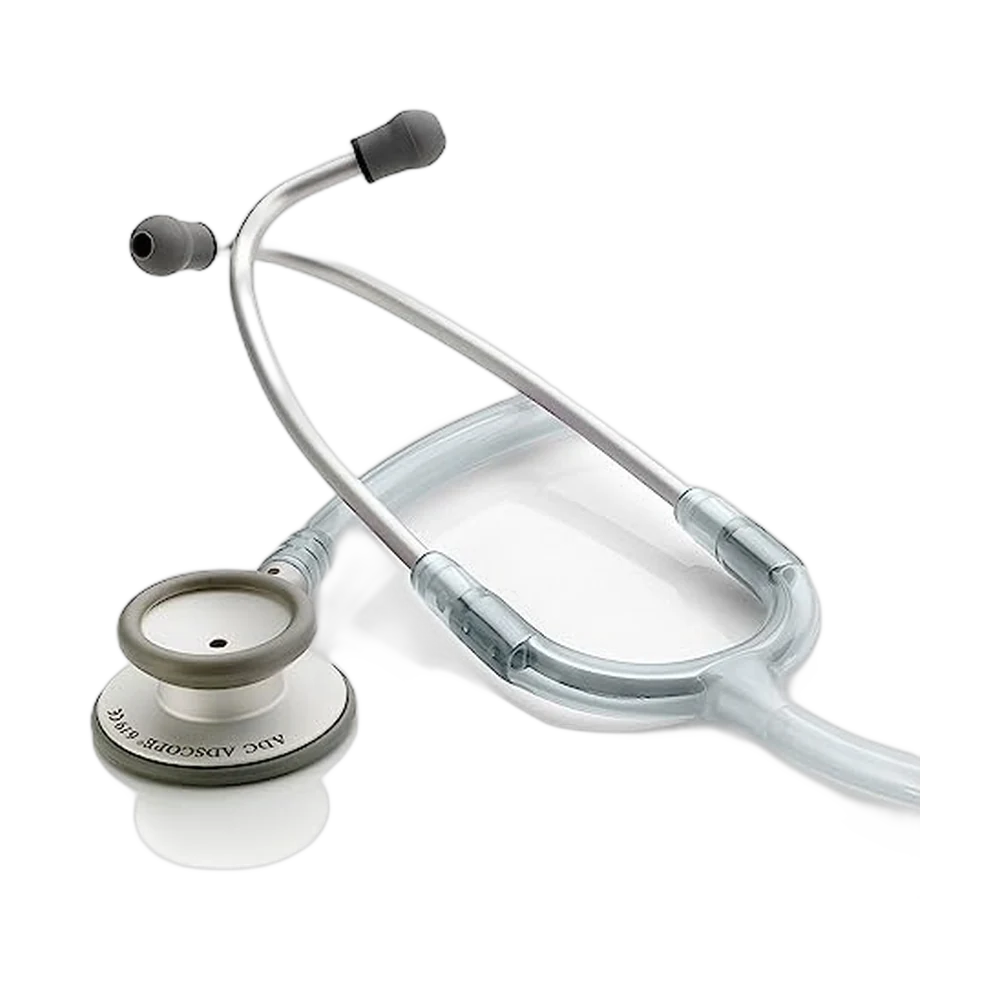
ADC Adscope 619 Ultra-Lite Clinician Stethoscope
Stethoscopes85 · Score$32.29

ADC Adscope 619 Ultra-Lite Clinician Stethoscope

Why this one, for you: The scope to learn on: an aluminum ultralight that passes a check-off, costs a third of a cardiology model, and will not ruin your semester if it walks out of the skills lab.

Check first: Your program's written requirement may name a spec — a bell, or a dual head. Read that line before ordering; it beats any brand advice, ours included.

Check price →See the full scoring →
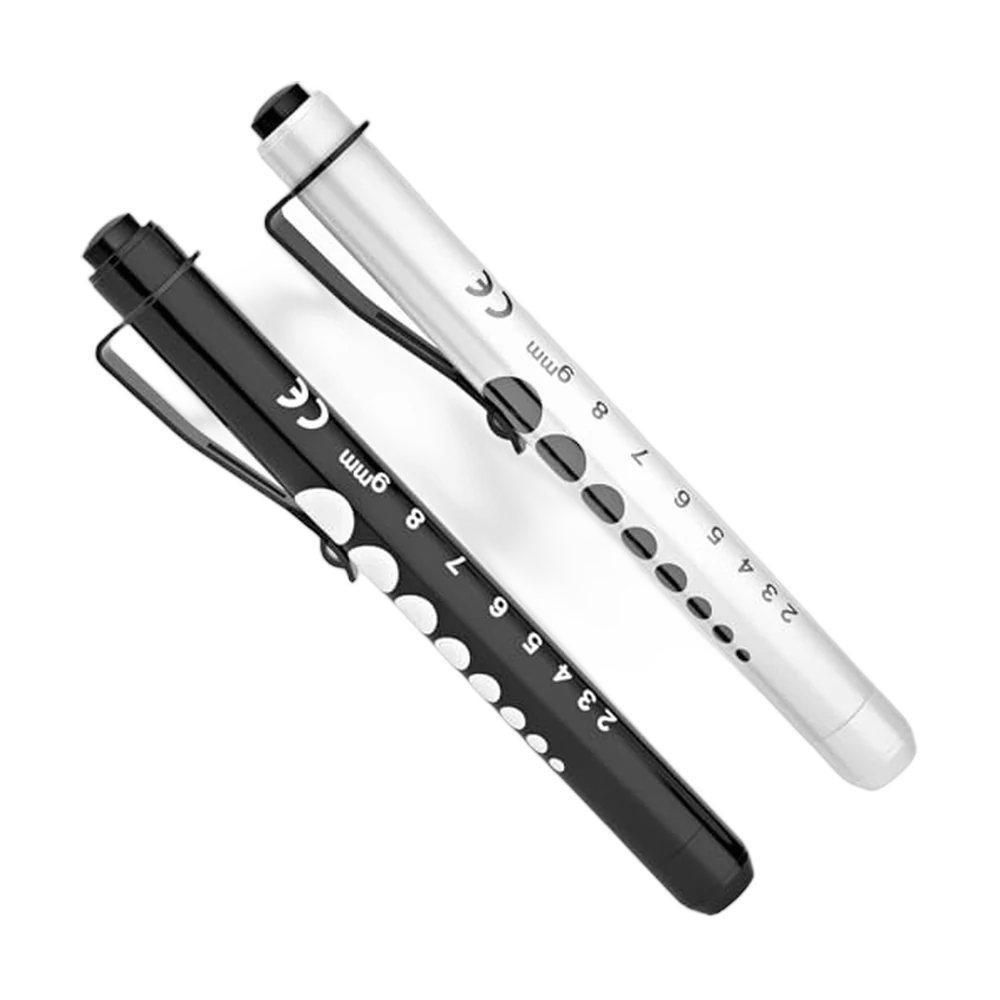
RISEMART Nurse Penlight with Pupil Gauge, 2-Pack
Penlights82 · Score$6.59

RISEMART Nurse Penlight with Pupil Gauge, 2-Pack

Why this one, for you: A two-pack for the price of a coffee, which is exactly right for the item students lose most. The printed pupil gauge doubles as a study aid in the weeks you are still learning to eyeball millimeters.

Check price →See the full scoring →
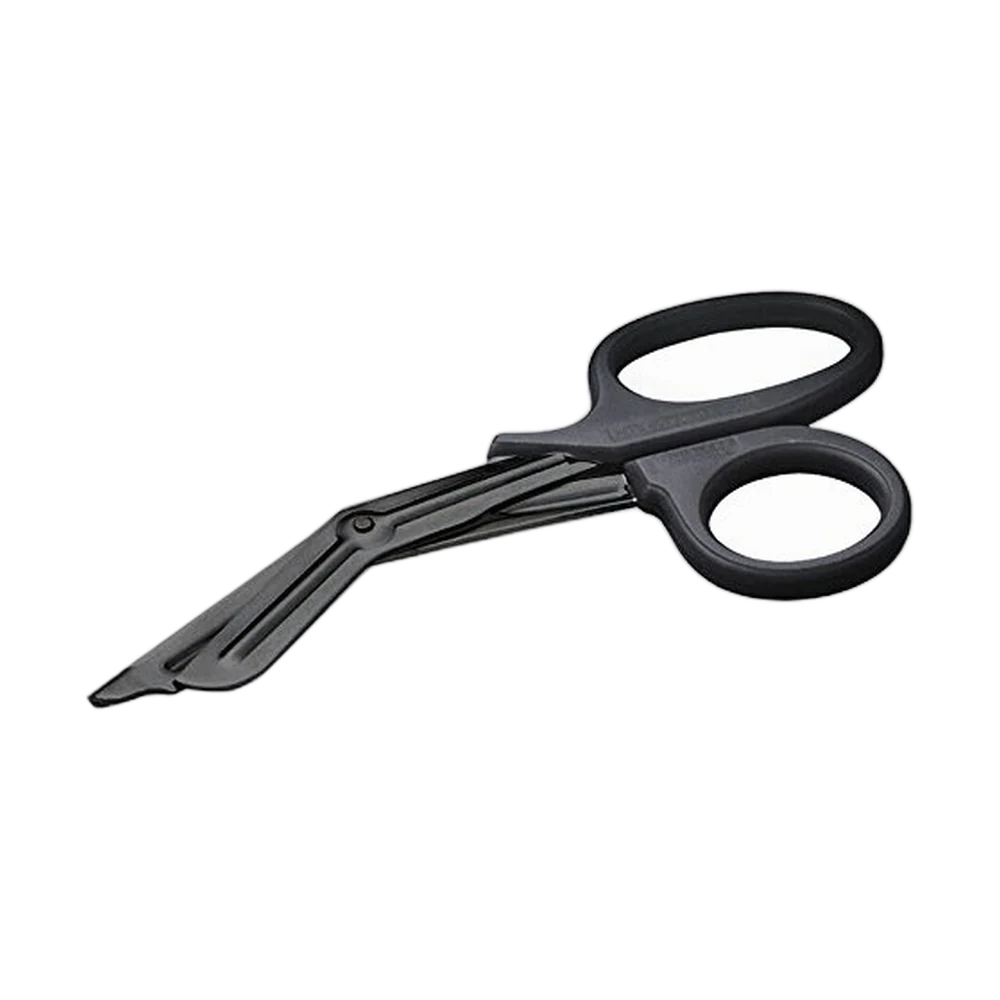
ADC 320 Medicut EMT Shears, 7.25 in
Trauma & Nursing Shears86 · Score$10.59

ADC 320 Medicut EMT Shears, 7.25 in

Why this one, for you: Under eleven dollars for a pair you can lend to a classmate without flinching. Students do not need a rescue tool — they need a pair of shears that opens packaging and cuts tape all clinical day.

Check price →See the full scoring →
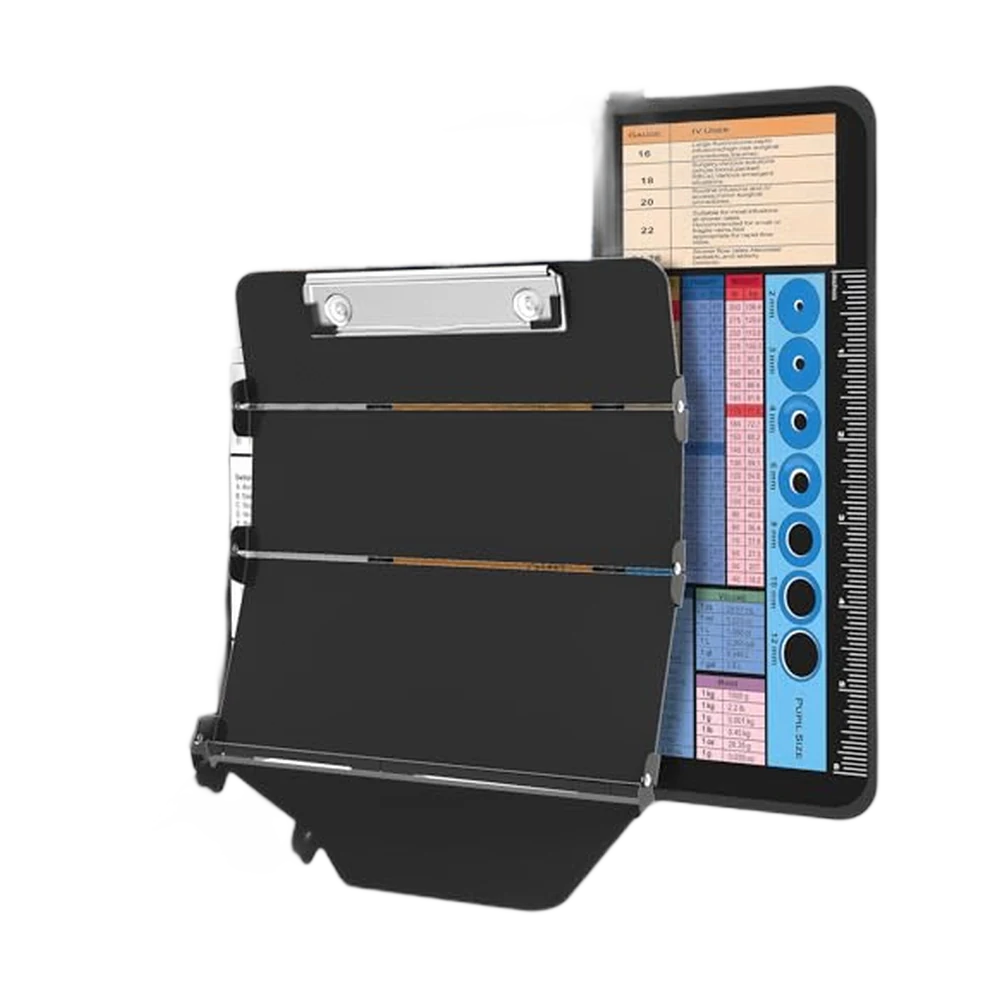
NECEG 4-Fold Nursing Clipboard
Nursing Clipboards & Brain Boards90 · Score$15.19

NECEG 4-Fold Nursing Clipboard

Why this one, for you: Four folds means your brain sheet, your drug cheat-sheet and your instructor's paperwork all live in one board that closes. It also stops a patient's name badge-height in a hallway, which is a habit worth forming early.

Check price →See the full scoring →
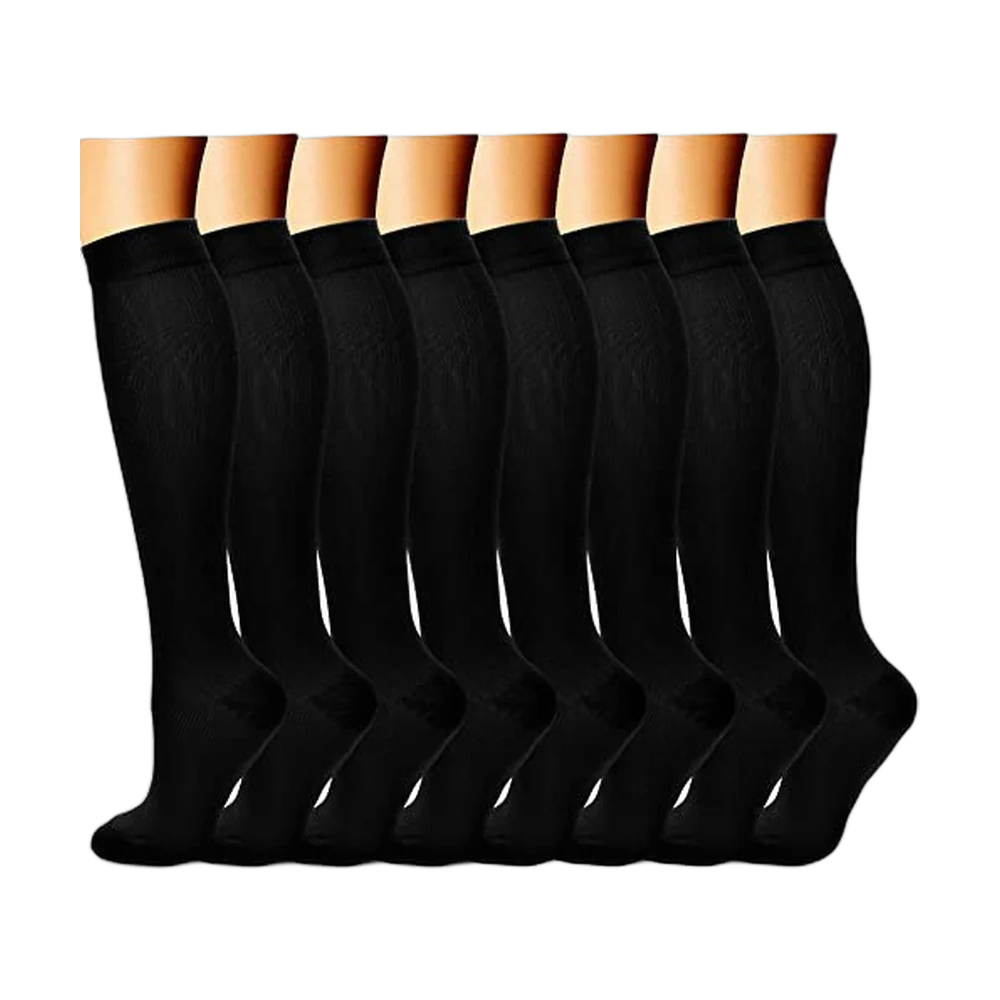
CHARMKING Compression Socks, 8 Pairs
Compression Socks81 · Score$19.99

CHARMKING Compression Socks, 8 Pairs

Why this one, for you: Eight pairs for the price of one premium pair. Students have unpredictable laundry cycles and clinical days that get added at short notice, and quantity beats refinement here.

Check first: Compression strength is a conversation for your own clinician if you have any circulatory history. We do not give medical advice.

Check price →See the full scoring →
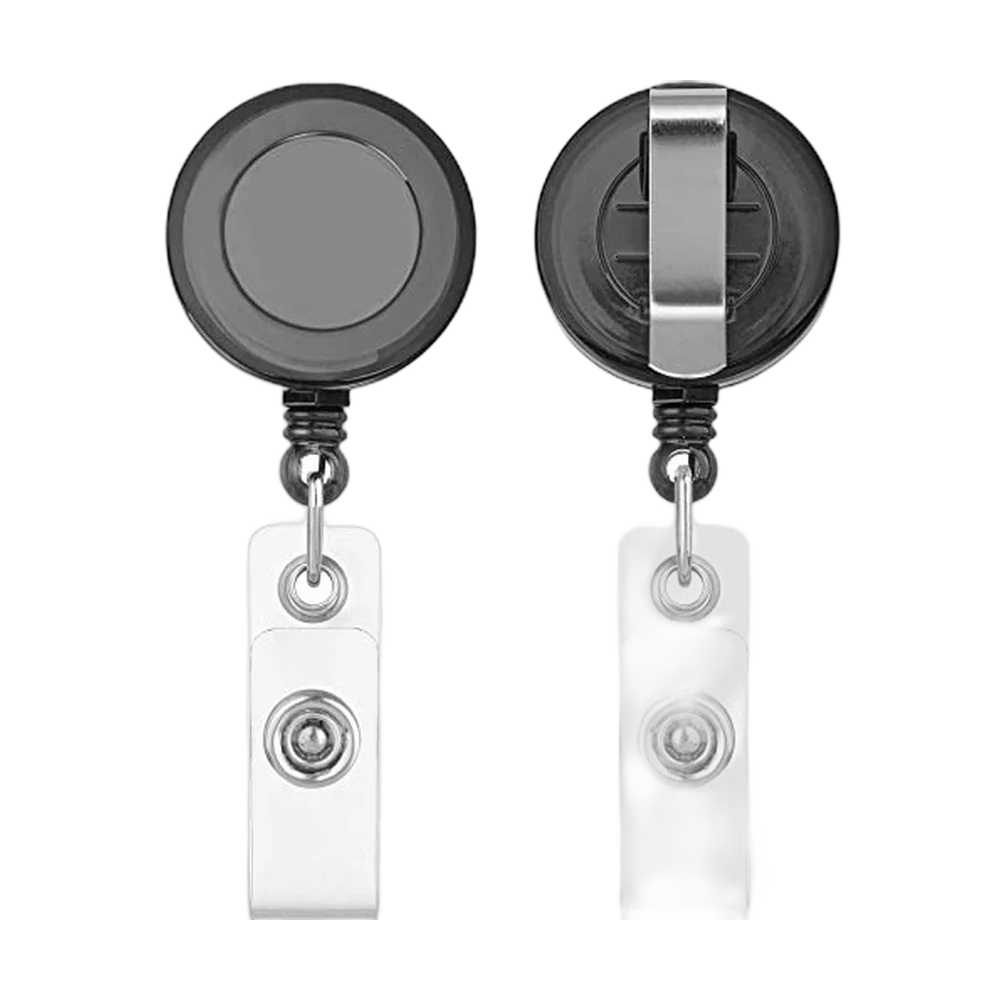
MIFFLIN-USA Retractable Badge Reels, 20-Pack
Badge Reels & ID Accessories81 · Score$8.99

MIFFLIN-USA Retractable Badge Reels, 20-Pack

Why this one, for you: Twenty reels for under nine dollars. You will break several, lend several, and still have spares in your final semester.

Check price →See the full scoring →
Confirm with your program or unit first · 2

These are the right answers ONLY once you know the rule they have to satisfy. Ordering before you know is how the money gets wasted.

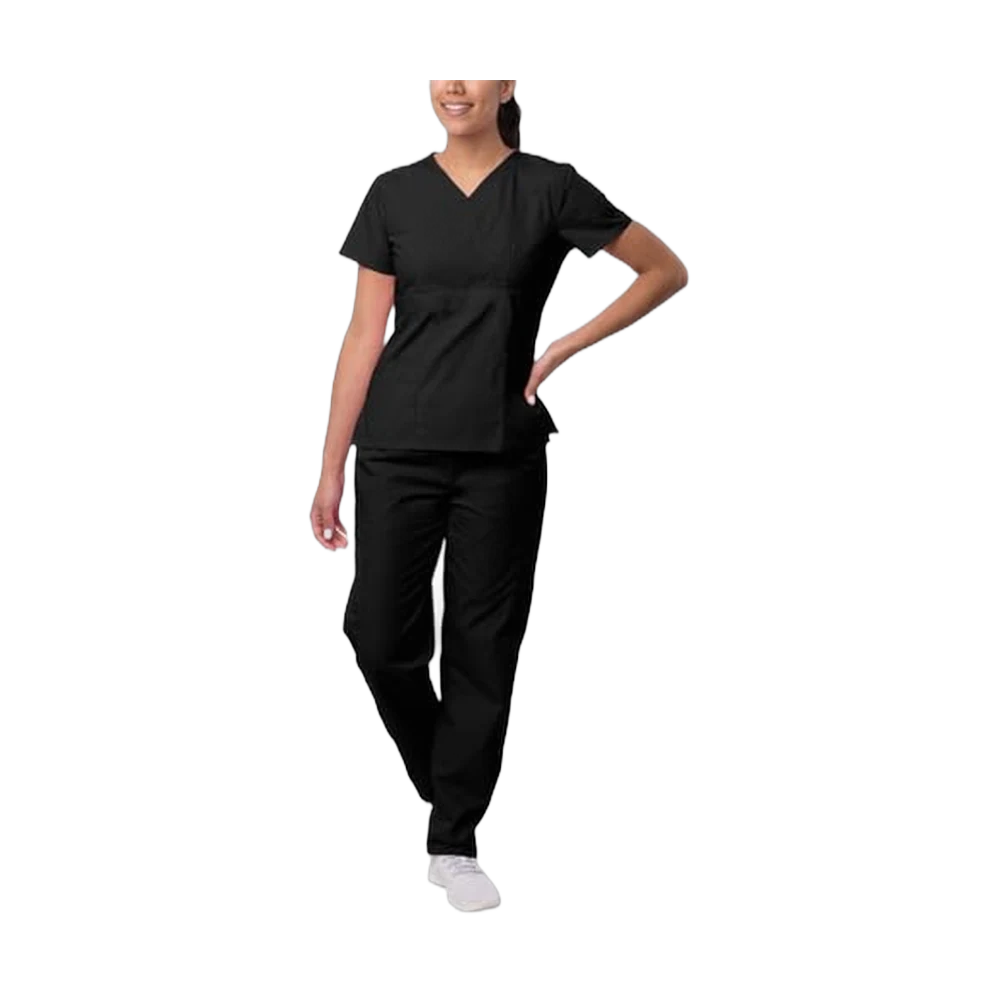
Sivvan S8401 Women's Mock Wrap and Cargo Pant Set
Women's Scrubs62 · Score$14.99

Sivvan S8401 Women's Mock Wrap and Cargo Pant Set

Why this one, for you: It scores low on our rubric and it is still the right student answer: programs mandate a color and often change it, so buy an inexpensive compliant set and put the difference into shoes.

Check first: Most programs mandate a scrub colour and many change it between cohorts. Confirm the colour before ordering, and buy two sets rather than six.

Check price →See the full scoring →
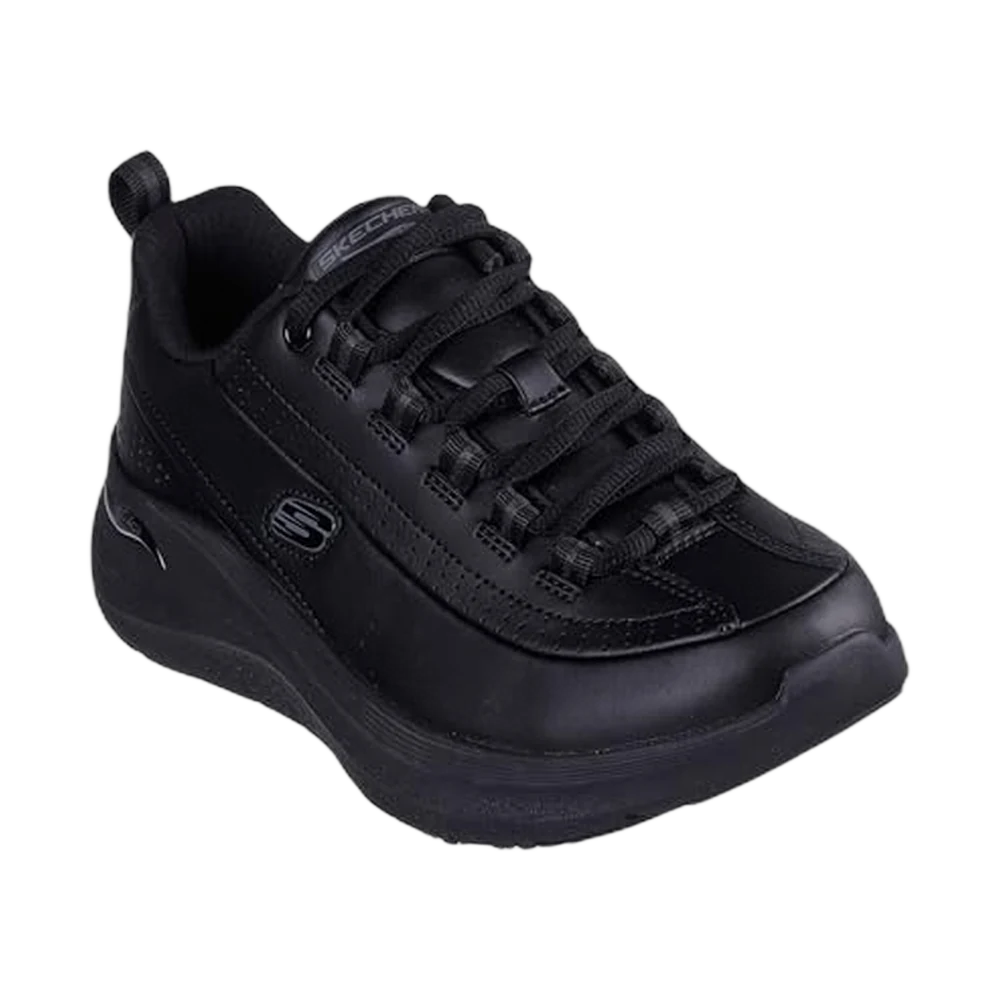
Skechers Work Arch Fit 2.0 SR Rosraine
Nursing Shoes & Sneakers63 · Score$100.00

Skechers Work Arch Fit 2.0 SR Rosraine

Why this one, for you: Slip-resistant is a written requirement at a lot of clinical sites, and this is the least expensive shoe in our catalog that carries the rating with a midsole worth standing on.

Check first: Slip-resistant footwear is a written requirement at some clinical sites and not at others. Check your site's rule — it decides whether you need this shoe or a more comfortable one.

Check price →See the full scoring →

Buy later, once you know how the job actually goes · 1

Deferred on purpose. Each one gets a better decision — not a cheaper one — after a few real shifts.

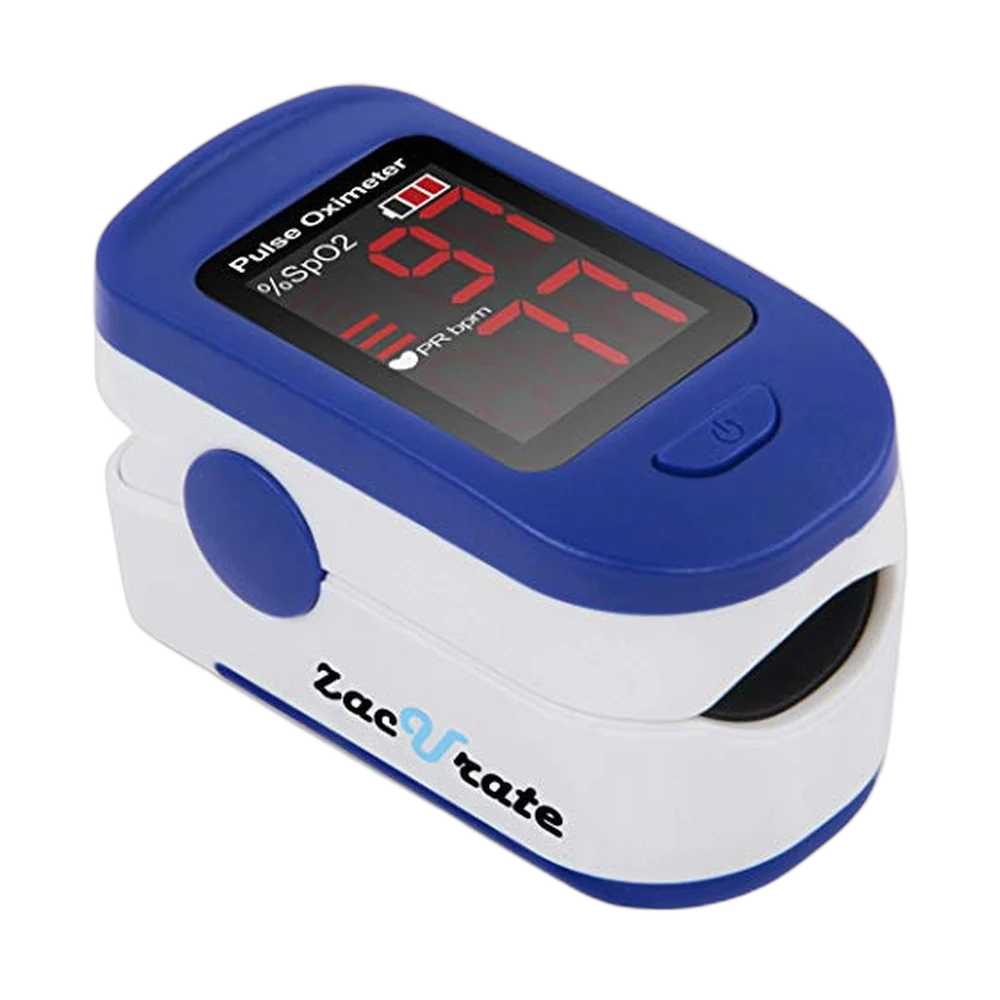
Zacurate 500BL Fingertip Pulse Oximeter
Pulse Oximeters80 · Score$8.99

Zacurate 500BL Fingertip Pulse Oximeter

Why this one, for you: Under ten dollars for practising the technique at home. You will chart from the unit's monitors, not this — but owning one makes the pulse-versus-perfusion conversation click much faster.

Check first: Every unit has these, and you will chart from the unit's monitors. Buy one only if you want to practise the technique at home.

Check price →See the full scoring →

Skip these for now

  • An automatic blood pressure monitorA home-health and patient-education tool. It teaches you nothing skills lab does not, and your program grades the manual technique.
  • A manual cuff, unless your program grades home practiceEvery unit has cuffs. This is the clearest borrow-before-you-buy item on any supply list.
  • Premium clogsA hundred-and-sixty-dollar clog on a student budget, for a program that may change its shoe rule next term. Defer it to graduation.
  • A cardiology-grade stethoscopeYou are graded on landmarking and technique, not on resolving a subtle murmur. Let the good scope be the graduation purchase, once you know your specialty.

We research rather than lab-test: manufacturer specifications, owner reports and published guidance, said plainly. Prices at the affiliate retailers we link change constantly, and nothing on this page is medical advice or a substitute for your facility's policy. How we score.

Read next

Best Stethoscope for Nursing Students (2026): 3 Picks

Read →

Nurse Essentials (2026): What You Actually Need to Buy

Read →

Nurse Brain Sheet Guide: Layouts That Actually Work

Read →

Buying this for someone else?

Gifts for nursing students

Buying for someone mid-program: what the supply list actually requires, and the two upgrades worth spending on.

Questions we get asked

Do I need a Littmann for nursing school?

Almost certainly not. Programs specify a stethoscope, occasionally a dual head or a bell, and a well-made lightweight clinician scope meets that at a fraction of the cost. Read your program's written requirement rather than the brand advice in a student forum, and save the premium purchase for graduation, when you know your specialty.

How many sets of scrubs does a nursing student need?

Two sets covers most programs, three if your clinical days run back to back or your laundry access is unreliable. Buy in the mandated color and treat them as consumables — programs change colors between cohorts often enough that a heavy investment rarely survives to graduation.

What goes missing most in nursing school?

Penlights, pens, shears and badge reels, in roughly that order, followed by stethoscopes. Almost none of it is theft — it is items set down during a busy clinical day in a building you do not know well. Buying multipacks and labeling what you can is a cheaper fix than being careful.

Is the school's starter bundle worth buying?

Price the parts separately before you decide. Bundles usually pair one item you genuinely need — the stethoscope — with a blood pressure kit and a bag you may never use. If the scope alone is close to the bundle price, the bundle is fine. If it is not, buy the scope and skip the rest.

The rule that saves students the most money: buy for the semester you are in, not for the nurse you plan to be.

Not quite you?