Who it's for

Gear for home health nurses

Home health inverts nearly everything a hospital nurse assumes about gear. There is no supply room, no wall-mounted cuff, no monitor above the bed and nobody down the hall. There is you, a bag and a car — and the car is the supply closet. Which means the questions stop being about comfort on a unit and start being about what survives a summer in a trunk, what you can carry to a second-floor apartment in one trip, and what you can clean between two houses.

Your bag is a workflow, not a container

The pattern most experienced home health nurses converge on is two bags rather than one: a clean bag that goes into the house, and a stock bin that stays in the vehicle. The in-house bag stays deliberately small and identical every visit, because a consistent layout is what stops a cuff being left on a kitchen table.

That makes removable dividers a more important feature than raw capacity. Caseloads change — wound care one week, a run of diabetic teaching the next — and a bag you can reconfigure beats a bag with more pockets. A laptop sleeve is not a luxury either: charting between visits, in the car, is the job as much as the visit is.

Own the assessment tools, because the house has none

This is the setting where the equipment a student was told to borrow becomes equipment you must own. A cuff you can carry and use one-handed on a sofa, a fingertip oximeter, a stethoscope you trust in a room with a television on. Nothing in the house will be there for you, and a family's own home monitor is not your reading.

One boundary worth naming: infection control between homes is a policy question, not a gear question. Bag technique, barrier use and which cleaning agent goes on which surface are set by your agency and your state, and that is where those answers should come from — this page cannot and does not give clinical guidance.

The car is a hostile environment

A parked car in summer runs far hotter than the air outside it. Adhesives fail, batteries vent and die, plastics warp, and anything with a temperature requirement is a cold-chain problem that needs real ice packs rather than a lunch bag and optimism. Winter is the mirror image: cold flattens battery life on every digital device you carry, which is how a pulse oximeter dies mid-visit in February.

Two habits follow. Choose stainless or metal over plastic where the choice exists, and keep spare batteries and anything thermolabile out of direct sun and out of the trunk. The nurses who get burned by this are not careless — they are the ones who moved from an inpatient unit, where climate control was somebody else's job.

You will walk to more doors than you expect

Home health is not twelve hours standing. It is dozens of short walks — gravel drives, unlit steps, an icy path in January, a stairwell with no handrail, and a dog nobody mentioned on the referral. The load is different from a hospital shift, and so is the right shoe.

That generally means a lighter cushioned trainer over a heavy clog, partly because you are driving between visits and a stiff wooden-soled clog is a poor pedal shoe. A pocket light matters more here than almost anywhere else in nursing: unlit porches, dim bedrooms with the curtains drawn, and wound assessment in a room lit by one bulb behind you.

Setting up the car

Zones rather than a packing list. Where a thing lives determines whether you actually use it.

ZoneWhat lives thereWhy there
The bag that enters the houseStethoscope, cuff, oximeter, penlight, documentationSmall, cleanable and laid out identically every visit, so nothing gets left on a kitchen table.
The stock bin in the trunkConsumables, restocked on a fixed weekly cadenceKeeps the in-house bag light and stops one heavy visit day from emptying you out.
The cold boxIce packs and anything with a temperature requirementSummer trunk temperatures are the most underestimated hazard in home health.
The front seatLaptop, charger, water, foodCharting happens between visits. Reaching into the back nine times a day is how backs go.
The gloveboxSpare batteries, spare pens, hand hygieneThe two things that die mid-visit are a penlight battery and a pen, in that order.
Never left in the carAdhesives you care about, anything the agency says stays temperature-controlledHeat wins every argument you have with it.

Eight picks for a car-based caseload

Weighted toward the assessment tools a house will not have and the bags that make a visit day repeatable. Prices at the affiliate retailers we link move constantly.

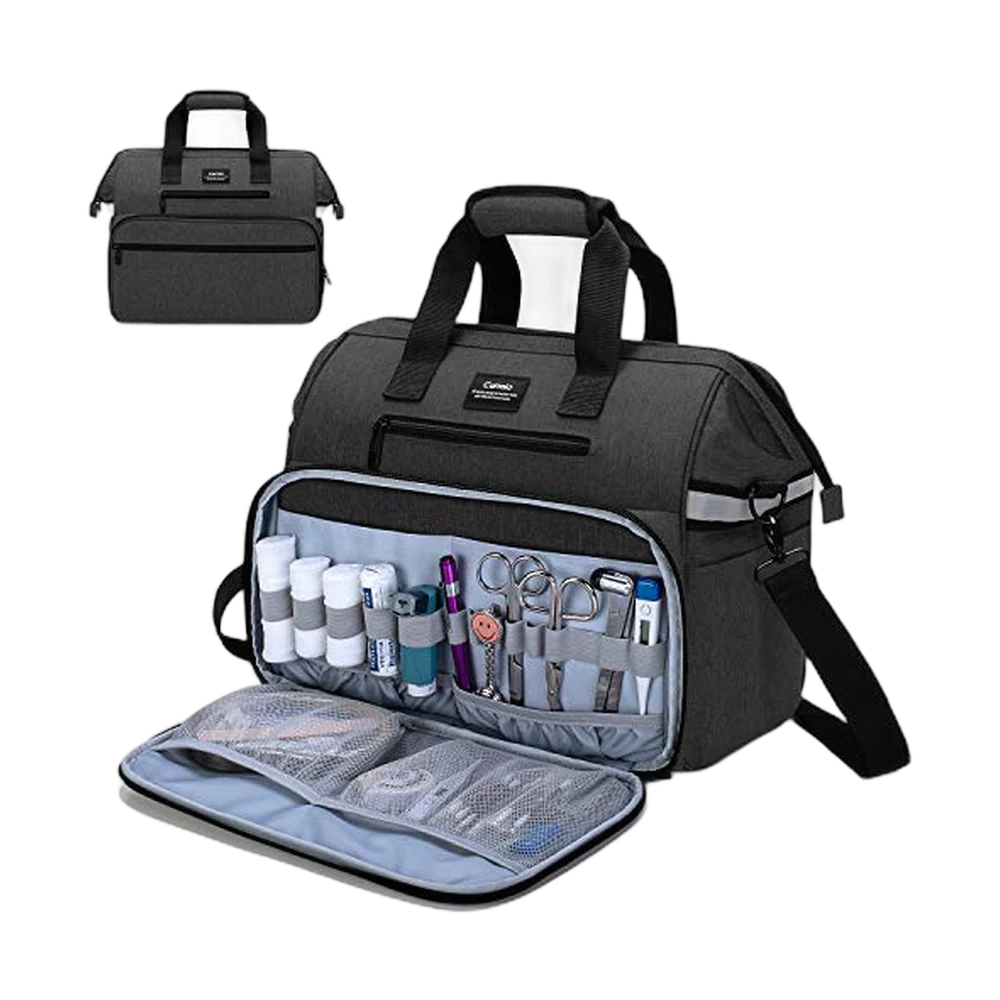
CURMIO Nurse Bag with 15-Inch Laptop Sleeve
Nursing Bags & Work Totes85 · Score$39.99

CURMIO Nurse Bag with 15-Inch Laptop Sleeve

Why this one, for you: The laptop sleeve is the home health feature: charting happens in the front seat between visits, and a bag that carries assessment kit and a laptop in one trip is what stops the second trip to the car.

Check price →See the full scoring →
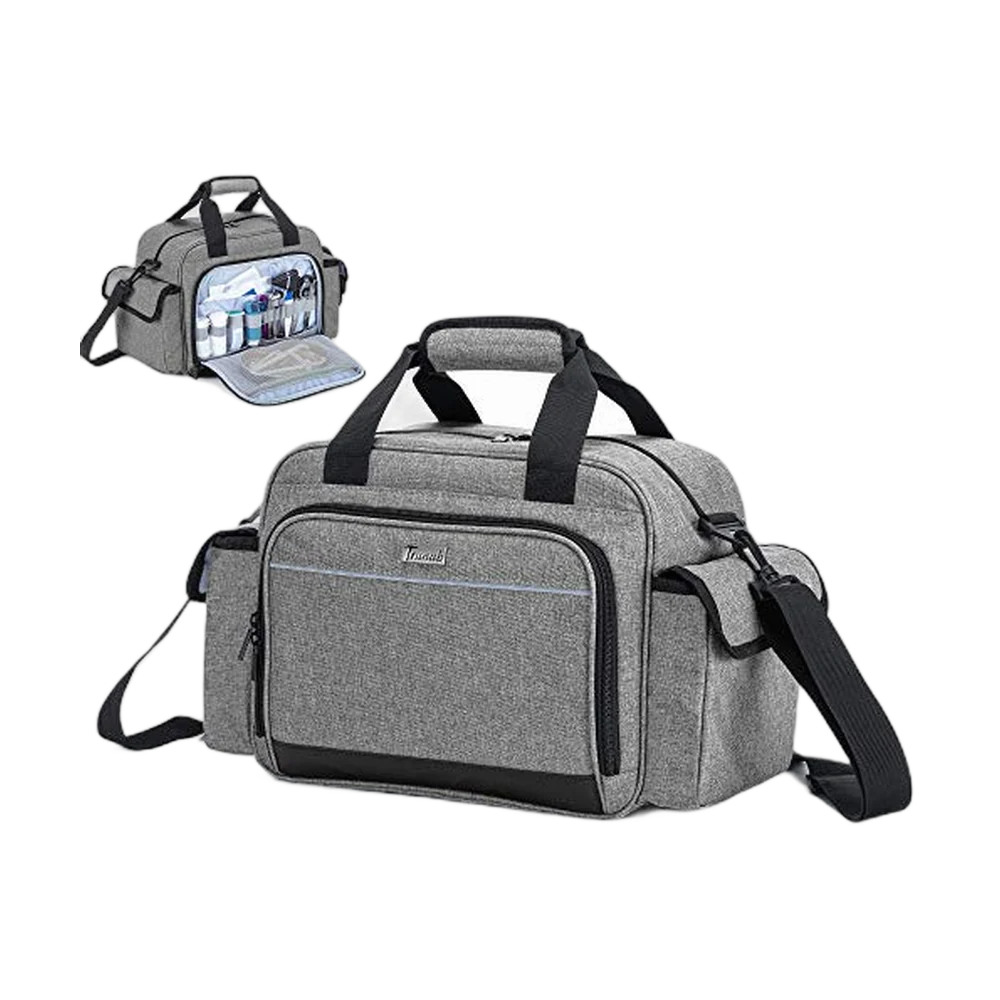
Trunab Home Health Nurse Bag
Nursing Bags & Work Totes82 · Score$35.99

Trunab Home Health Nurse Bag

Why this one, for you: The stock-bag half of the two-bag system. It stays in the vehicle holding consumables so the bag you actually carry through a front door stays small, light and cleanable.

Check price →See the full scoring →
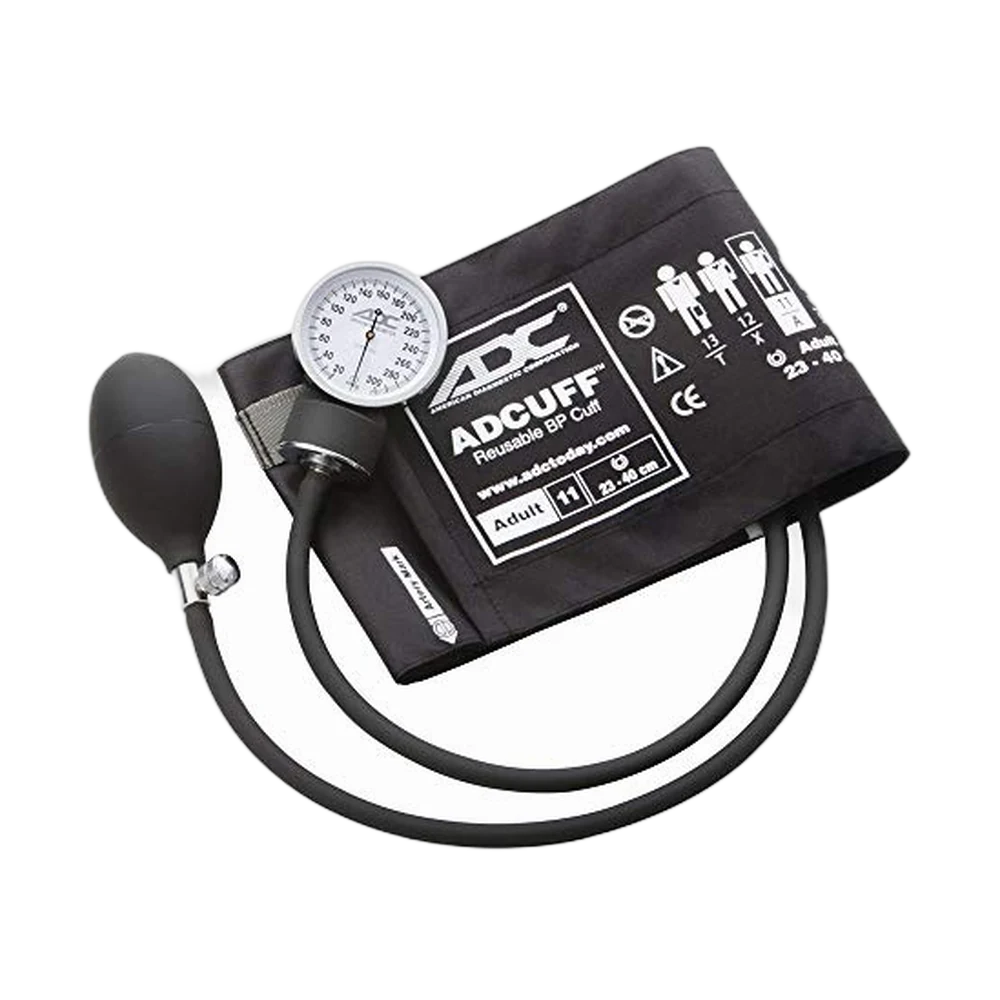
ADC Prosphyg 760 Pocket Aneroid Sphygmomanometer
Blood Pressure Cuffs78 · Score$35.31

ADC Prosphyg 760 Pocket Aneroid Sphygmomanometer

Why this one, for you: A pocket aneroid you can work one-handed on a sofa, with a gauge that survives being tossed into a bag several times a day — which a delicate desk-style manometer does not.

Check price →See the full scoring →
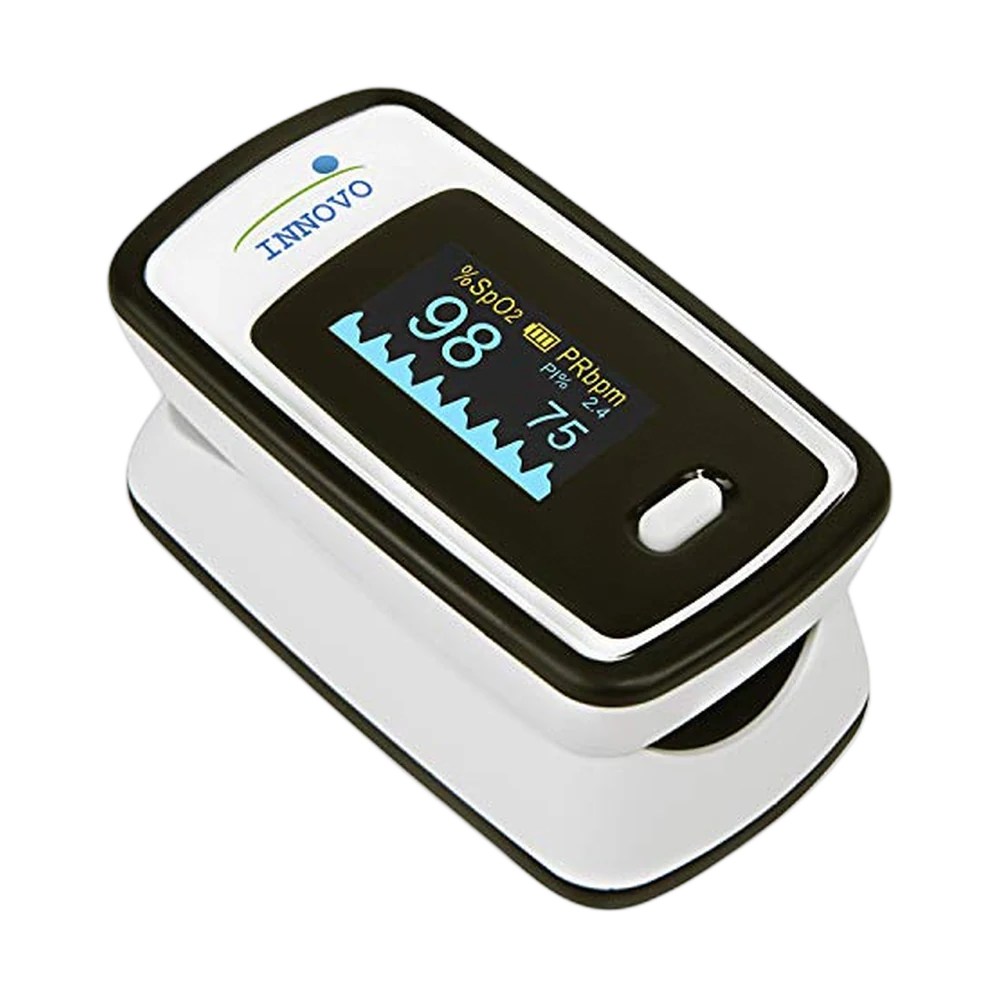
Innovo Deluxe iP900AP Fingertip Pulse Oximeter
Pulse Oximeters82 · Score$34.99

Innovo Deluxe iP900AP Fingertip Pulse Oximeter

Why this one, for you: A fingertip unit is non-negotiable when the house has no monitor, and a rotating display matters more here than anywhere else because you are reading it from whatever angle the chair allows.

Check price →See the full scoring →
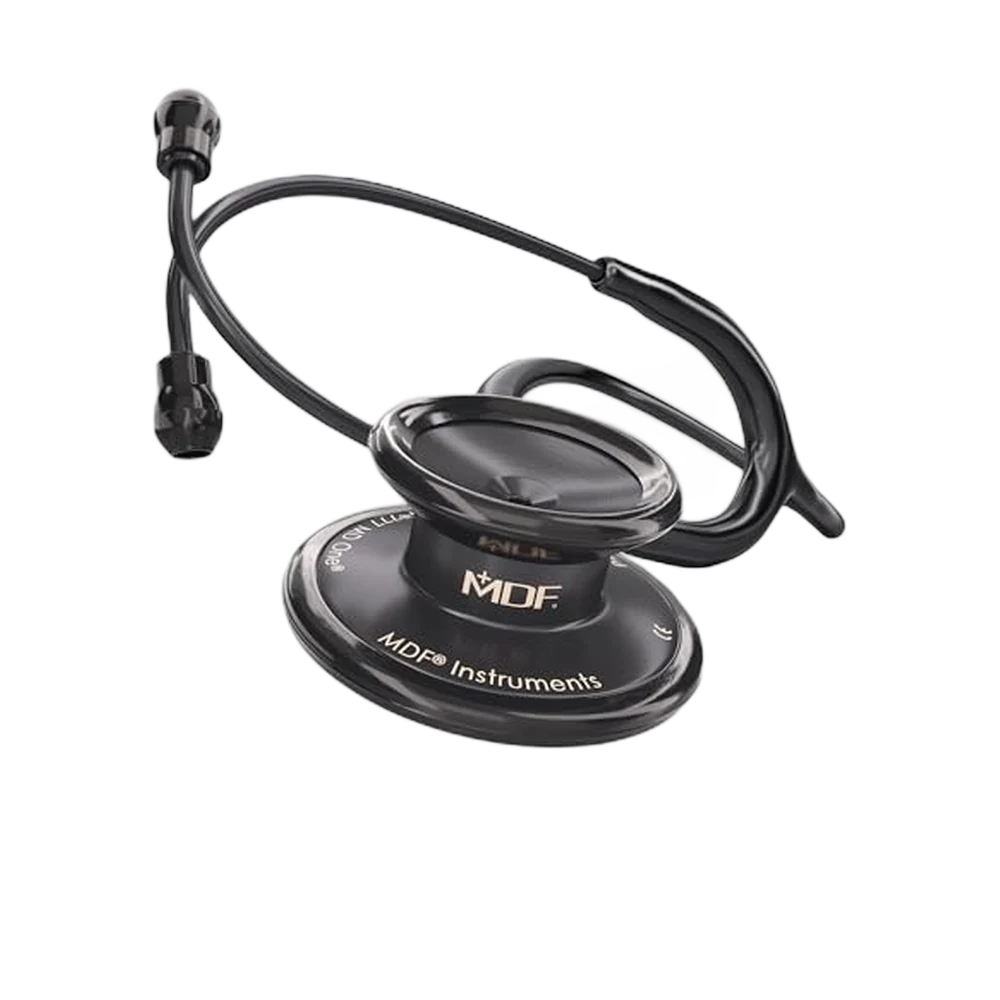
MDF MD One Stainless Steel Dual Head Stethoscope
Stethoscopes80 · Score$49.98

MDF MD One Stainless Steel Dual Head Stethoscope

Why this one, for you: Stainless rather than aluminum is the deliberate call for a scope that lives in a car through summer heat and January cold, and dual-head gives you a bell for the low-frequency sounds a noisy living room buries.

Check price →See the full scoring →
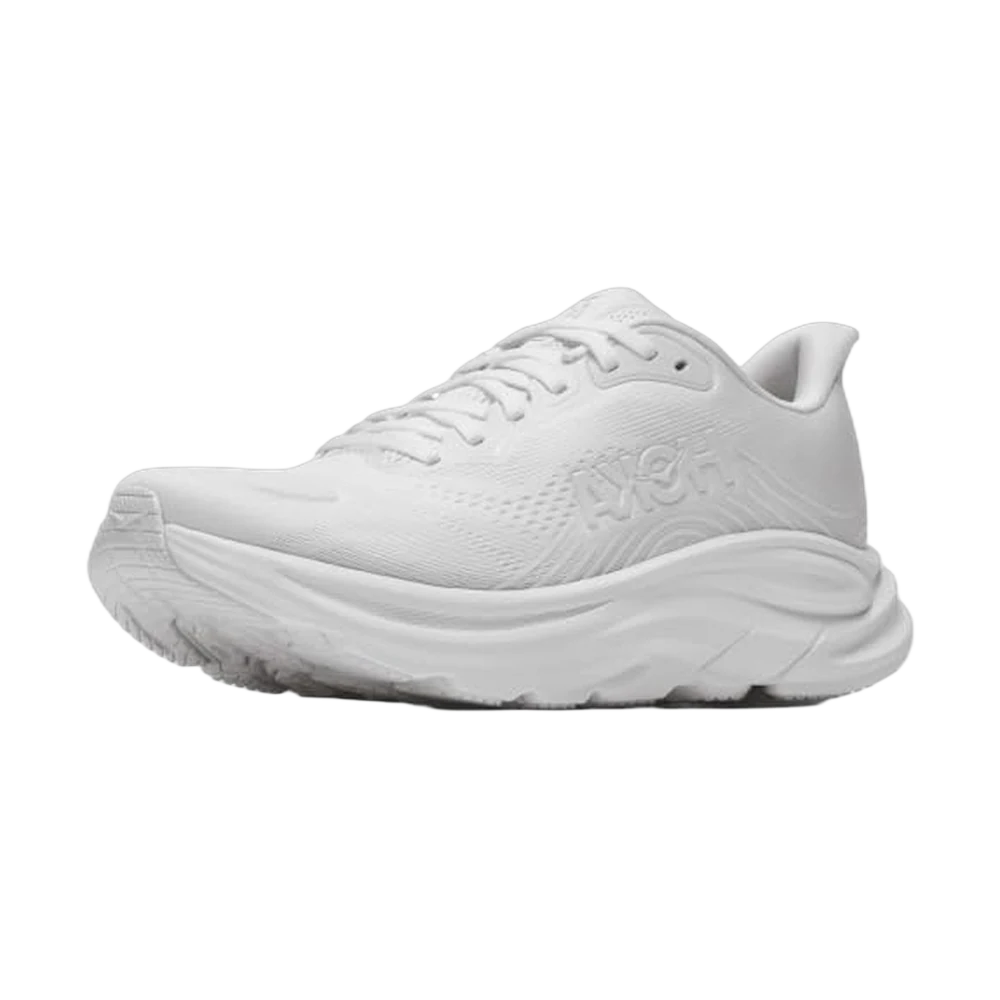
HOKA Clifton 11
Nursing Shoes & Sneakers73 · Score$153.83

HOKA Clifton 11

Why this one, for you: Lighter than the max-stack models, which matters when the day is dozens of short walks and a lot of driving. A stiff clog is a poor pedal shoe, and this is the cushioned alternative that still handles a gravel drive.

Road build: HOKA states no slip-resistance rating, and the engineered-mesh upper cannot be wiped down. Check your unit's footwear policy first.

Check price →See the full scoring →
Fit & Fresh Cool Coolers Slim Ice Packs, 4-Pack
Lunch Boxes & Meal Bags81 · Score$9.66

Fit & Fresh Cool Coolers Slim Ice Packs, 4-Pack

Why this one, for you: Real ice packs, not a lunch bag and optimism. Slim enough to line a cold box for anything with a temperature requirement, and cheap enough to keep a rotating set in the freezer.

Check price →See the full scoring →
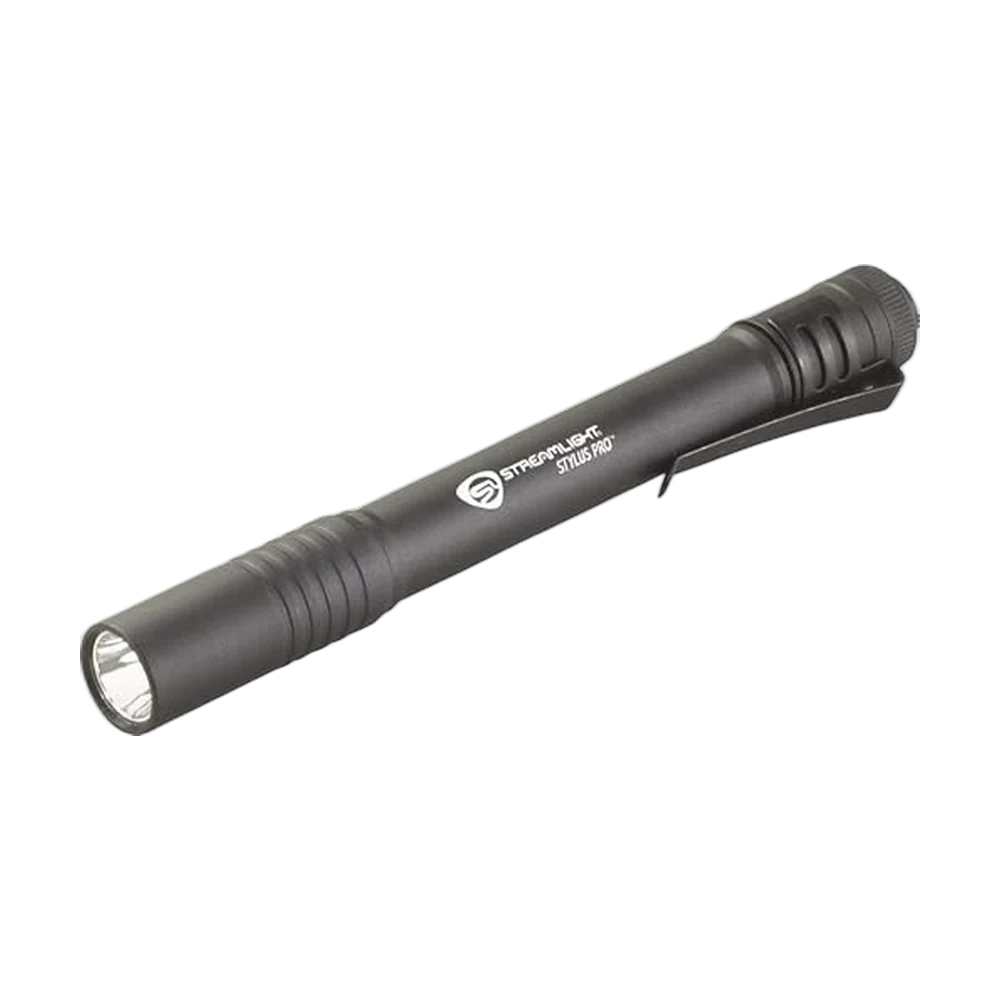
Streamlight Stylus Pro 66118 LED Penlight
Penlights77 · Score$21.13

Streamlight Stylus Pro 66118 LED Penlight

Why this one, for you: Unlit porches, drawn curtains and a single bulb behind you. The pen-style beam is bright enough for a real wound look and slim enough to clip inside a bag pocket rather than rattling loose.

Check price →See the full scoring →

We research rather than lab-test: manufacturer specifications, owner reports and published guidance, said plainly. Prices at the affiliate retailers we link change constantly, and nothing on this page is medical advice or a substitute for your facility's policy. How we score.

Read next

Best Nursing Bags (2026): Totes, Backpacks & Organizers

Read →

Best Blood Pressure Cuffs for Nurses (2026): Manual vs Auto

Read →

Best Pulse Oximeters (2026): What the Labelling Won't Say

Read →

Buying this for someone else?

Gifts for nurses

Buying for a community or home health nurse: the bags, lights and food gear at the top of this list travel well.

Questions we get asked

What goes in a home health nurse bag?

The assessment tools the house will not have — stethoscope, a portable cuff, a pulse oximeter, a light — plus documentation and hand hygiene. Consumables belong in a separate stock bin in the vehicle. Your agency sets the required contents and the bag technique around them, and that policy overrides any list online.

Is it safe to leave supplies in the car?

Some, never all. Summer cabin temperatures degrade adhesives and batteries and will ruin anything with a storage-temperature requirement, while winter cold shortens battery life on digital devices. Keep thermolabile items in a cold box with real ice packs and follow your agency's policy on what may be stored in a vehicle at all.

Clogs or sneakers for home health?

Most home health nurses end up in a cushioned trainer rather than a clog. The day is dozens of short walks over uneven ground rather than a long standing shift, and a stiff wooden-soled clog is a poor shoe for pedals between visits.

Do I need my own blood pressure cuff and oximeter?

Yes — that is the biggest single difference from inpatient work. There is no wall unit and no vitals cart, and a patient's own home monitor is not a substitute for your equipment. A portable aneroid and a fingertip oximeter are the two purchases new home health nurses most often wish they had made in week one.

Ask three questions of every item: does it survive a summer trunk, can I clean it between two houses, and can I carry it while the other hand holds a door? Three yeses and it has earned its place.

Not quite you?