Who it's for

Gear for travel nurses

Two constraints run a travel assignment, and neither one is about comfort. The first is that everything you own for thirteen weeks has to fit in a car, or in luggage an airline will not fine you for. The second is that you will walk onto a unit that has never met you and be expected to function on day one, without knowing which supply room holds what. Gear that solves both is worth carrying. Gear that solves only one is dead weight you move four times a year.

Pack for the unit you have not seen

A staff nurse can leave a spare pair of shears in a drawer and a penlight in a locker, and rebuild slowly over years. A traveler gets thirteen weeks, no locker half the time, and a badge that does not open the same doors as everyone else's. Being self-sufficient on the small stuff is not fussiness — it is what stops your first week being a series of small interruptions asking where things are kept.

The practical version: carry your own stethoscope always, your own shears always, your own light always, and a way to keep all three on your body rather than in a bag you cannot find a home for. Everything past that is negotiable by assignment.

Weight is a real budget, so spend it deliberately

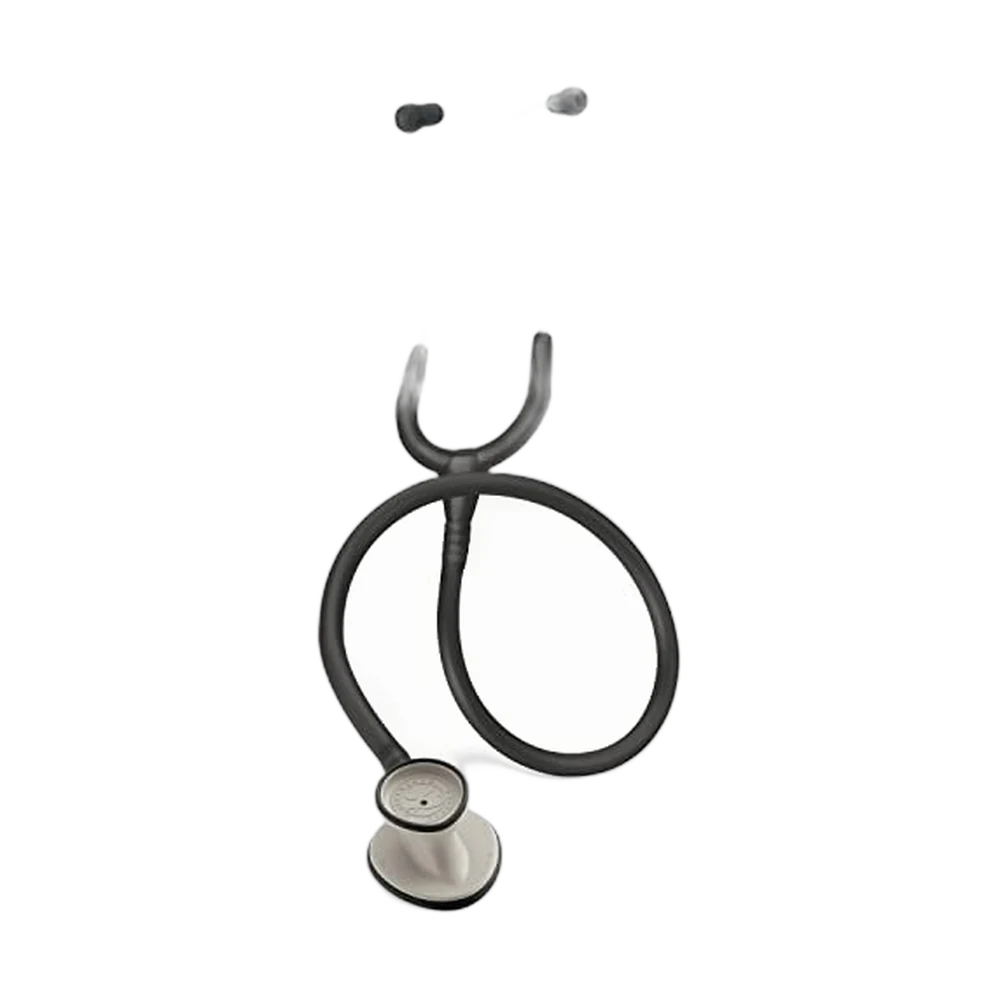
The pattern that holds up across assignments is simple: heavy things you use every shift earn their weight, and heavy things you use monthly do not. The stethoscope is the clearest illustration. An ultralight clinician scope weighs a fraction of a cardiology model and costs you almost nothing in daily use on a medical-surgical or telemetry contract.

The exception is deliberate. If the contract is cardiac, ICU or step-down, buy the acoustics and carry the extra ounces on purpose — that is weight spent on the actual job. What does not survive scrutiny is carrying cardiology-grade tubing to a float contract because you bought it once and feel you should.

Short-term housing is never dark and never stocked

Corporate apartments, extended-stay hotels and sublets share two properties: the window treatments are decorative, and the kitchen has pans but nothing to put food in. Neither is fixable with the tools you would use at home. You cannot mount a blackout rod in a unit you leave in thirteen weeks, so the portable version of the night-shift kit — a mask and reusable earplugs — is doing the whole job.

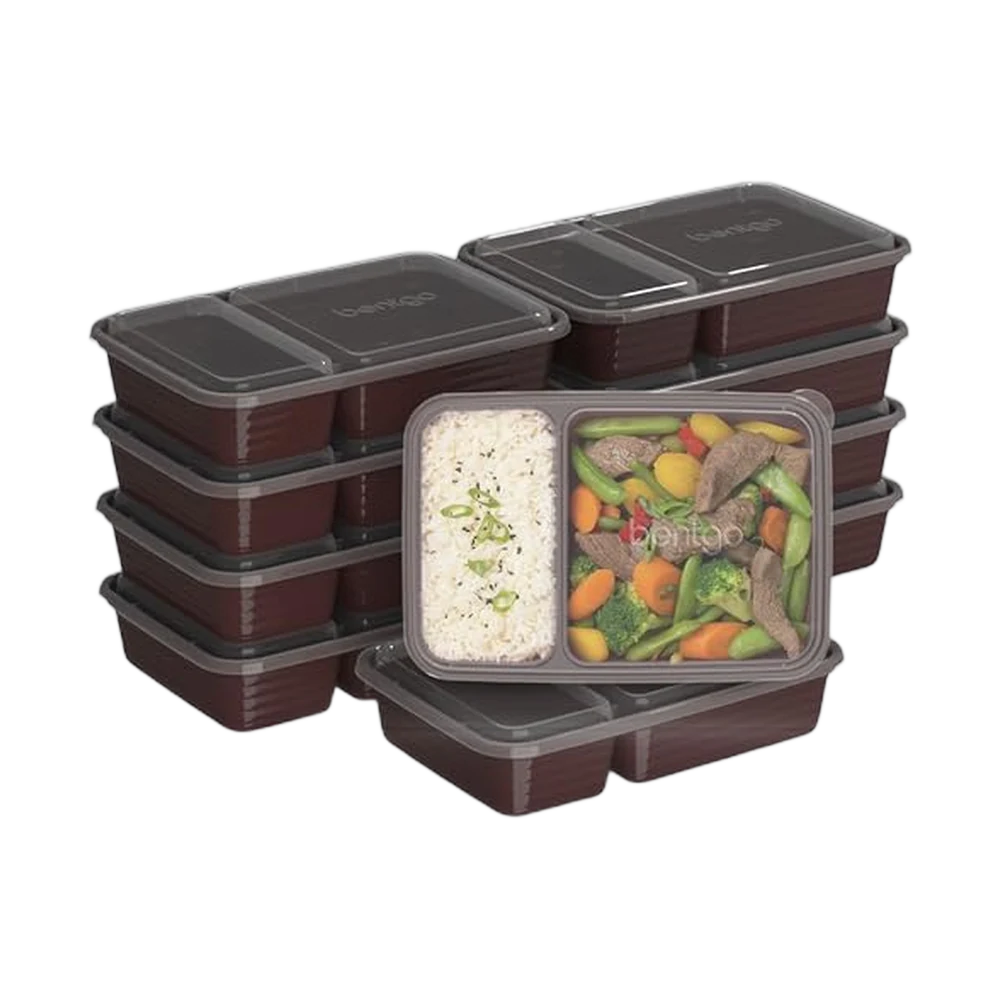
The kitchen gap is the one that quietly costs the most money. A flat stack of prep containers is a few dollars and light, and it is the difference between cooking on your days off and spending a meaningful slice of a stipend on delivery for three months.

One pair of shoes has to do two jobs

Your work shoe is also your walking-around-a-new-city shoe, because a second pair is one to two pounds you are carrying between assignments for occasional use. That pushes most travelers toward a neutral cushioned trainer rather than a clog: it looks fine off shift, handles pavement, and does not need a specific sock.

One thing a gear page cannot answer for you: licensure. Compact privileges, state-by-state requirements and how quickly a walk-through licence issues all change what you can accept and when. That belongs with your recruiter and the relevant state board of nursing, not a packing list.

The weight ledger

Rough figures from manufacturer specifications where they are published, used to make relative calls rather than precise ones.

What you carryRoughlyThe call
Lightweight clinician stethoscopeAround 4 ozCarry it. Used every shift, and the ultralight models cost you nothing in the ounces column.
Cardiology stethoscopeAround 6–7 ozCarry it only when the contract is cardiac or critical care. Otherwise the acoustics are not worth the tubing.
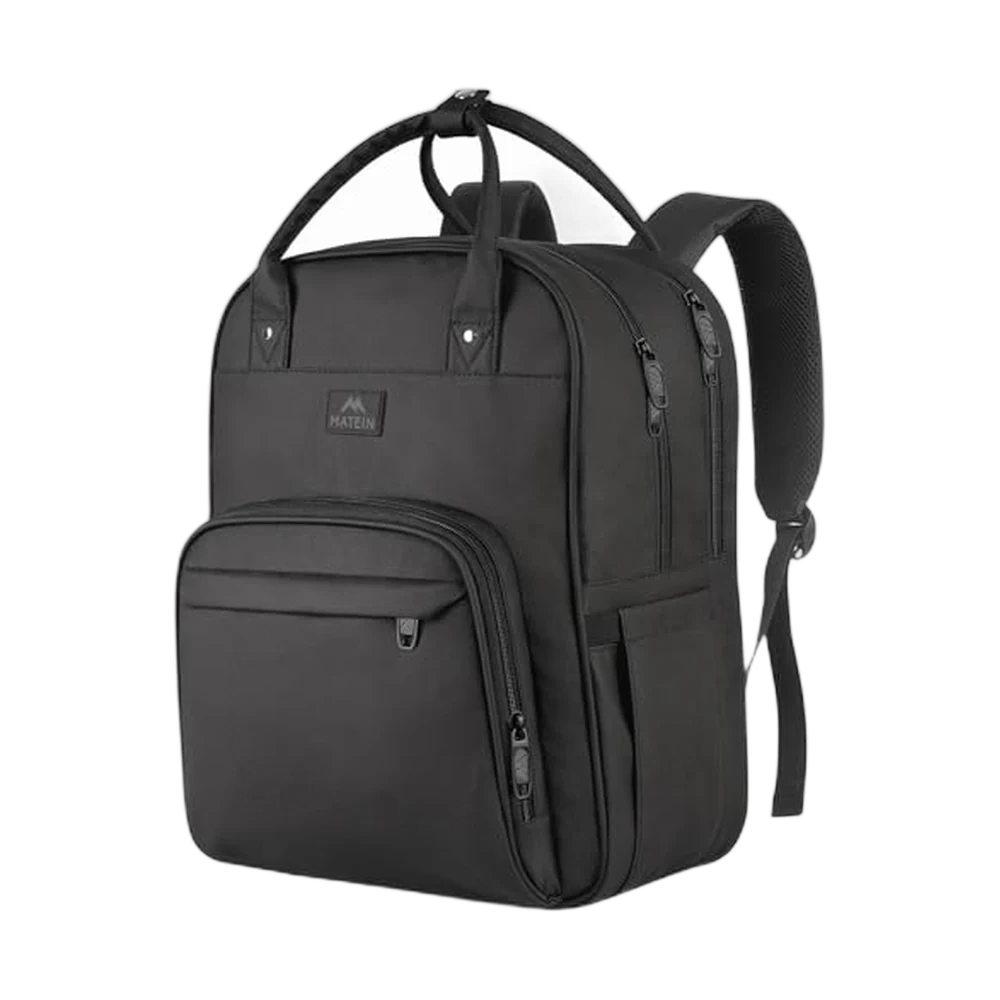
Backpack with a removable organizerAbout 2 lb emptyCarry it. The organizer lifts out and becomes your locker on a unit that does not give you one.
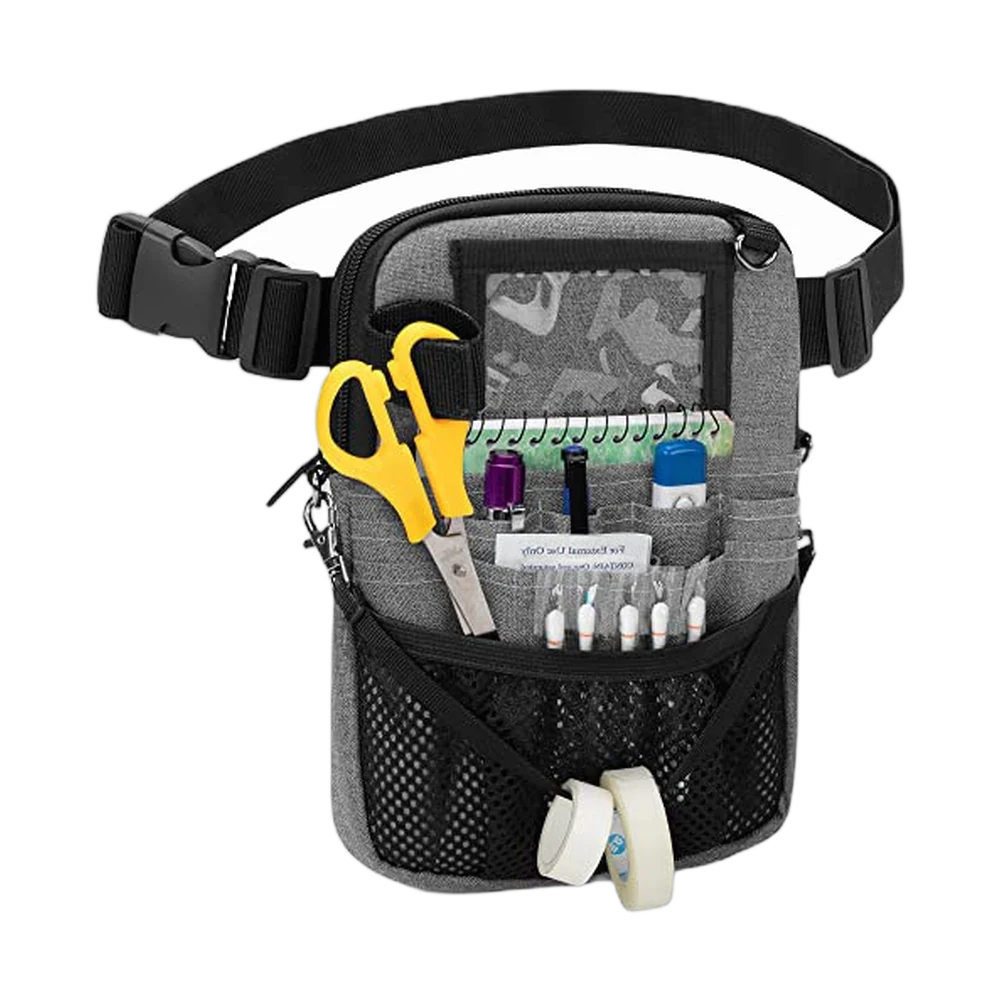
Hip or fanny organizerUnder 8 ozCarry it. On an unfamiliar unit, what is on your body beats what is in a supply room you cannot find.
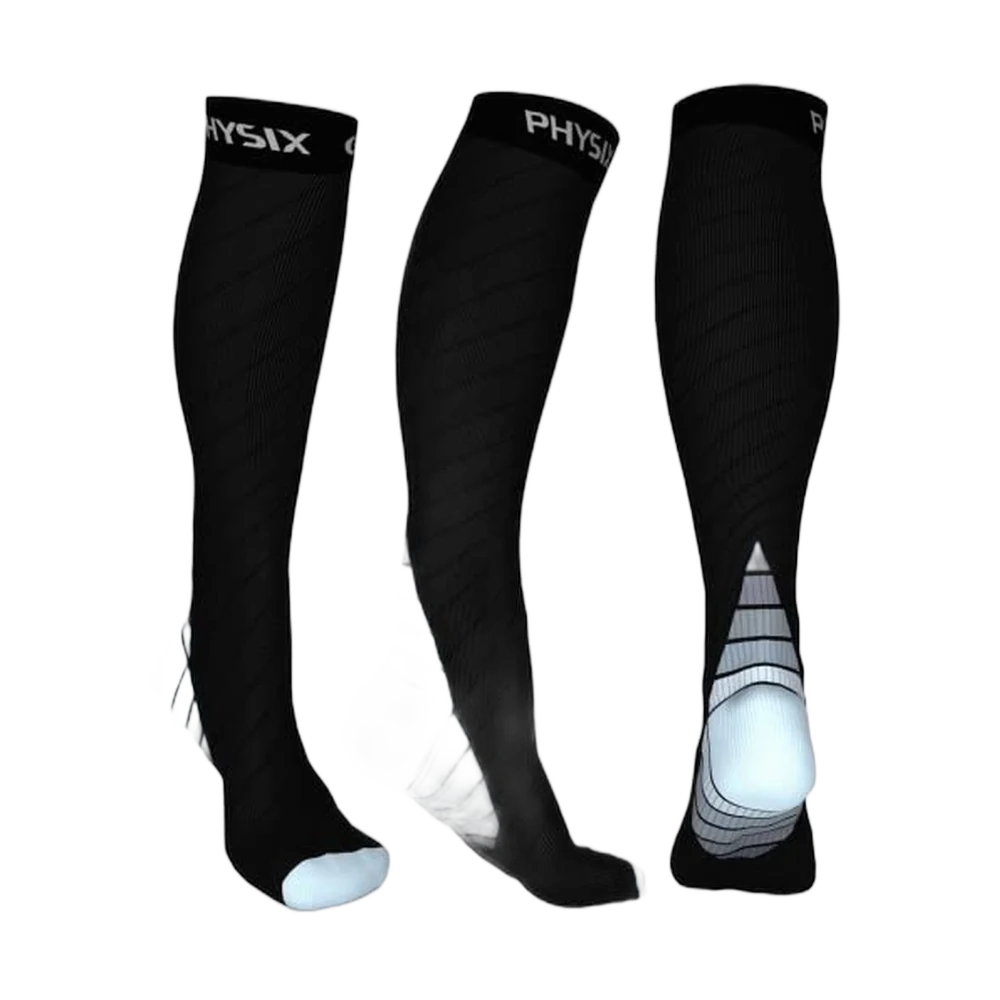
Compression socksOuncesCarry several pairs. Flights and twelve-hour shifts stress the same veins in the same week.
Blackout curtainsSeveral poundsLeave them. You cannot mount them in short-term housing, and a mask does most of the job at a fraction of the volume.
Food storage containersLight but bulkyCarry a flat nesting set. Short-term kitchens have pans and nothing to put food in.
A second pair of shoes1.5–2 lbOptional. Most travelers report one well-cushioned neutral pair covering both the shift and the city.

Eight picks that survive a move

Chosen against the ledger above: everything here either gets used every shift or replaces something you cannot install in temporary housing.

Littmann Lightweight II S.E. Stethoscope (2450)
Stethoscopes83 · Score$54.99

Littmann Lightweight II S.E. Stethoscope (2450)

Why this one, for you: Built for exactly this brief — a single-sided head and a light chestpiece that you barely notice around your neck for thirteen weeks, at a price that does not make an airport security tray stressful.

Check price →See the full scoring →
MATEIN Medical Backpack, Removable Organizer
Nursing Bags & Work Totes82 · Score$45.99

MATEIN Medical Backpack, Removable Organizer

Why this one, for you: The removable organizer is the travel-specific feature: it lifts out and becomes your locker on a unit that has not assigned you one, then goes back in the pack when the contract ends.

Check price →See the full scoring →
Trunab Nurse Fanny Pack with Tape Holder
Nursing Bags & Work Totes80 · Score$20.99

Trunab Nurse Fanny Pack with Tape Holder

Why this one, for you: On an unfamiliar unit, what is on your body beats what is in a supply room you have not found yet. The tape holder in particular saves the walk that a new traveler makes most often.

Check price →See the full scoring →
Physix Gear Sport 20-30 mmHg Compression Socks
Compression Socks78 · Score$18.82

Physix Gear Sport 20-30 mmHg Compression Socks

Why this one, for you: Travel assignments stack flights on top of twelve-hour shifts in the same week. The firmer 20–30 mmHg band is the one people reach for on travel days; check with your own clinician before choosing a compression level.

Check price →See the full scoring →
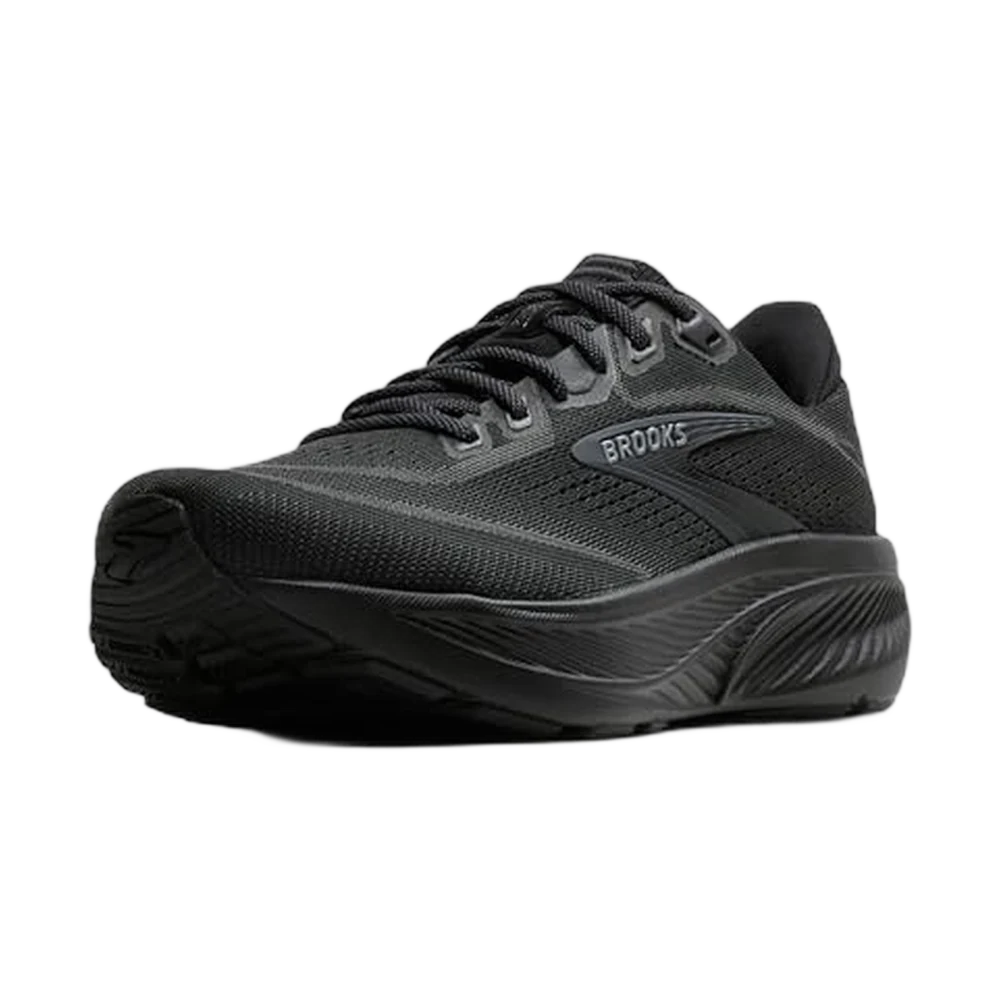
Brooks Ghost 17
Nursing Shoes & Sneakers74 · Score$108

Brooks Ghost 17

Why this one, for you: The one-pair answer. A neutral cushioned trainer works on a unit and looks unremarkable exploring a city you have thirteen weeks to see, which is what stops you packing a second pair.

Road build: Brooks states no slip-resistance rating, and the air-mesh upper cannot be wiped down. Check your unit's footwear policy first.

Check price →See the full scoring →
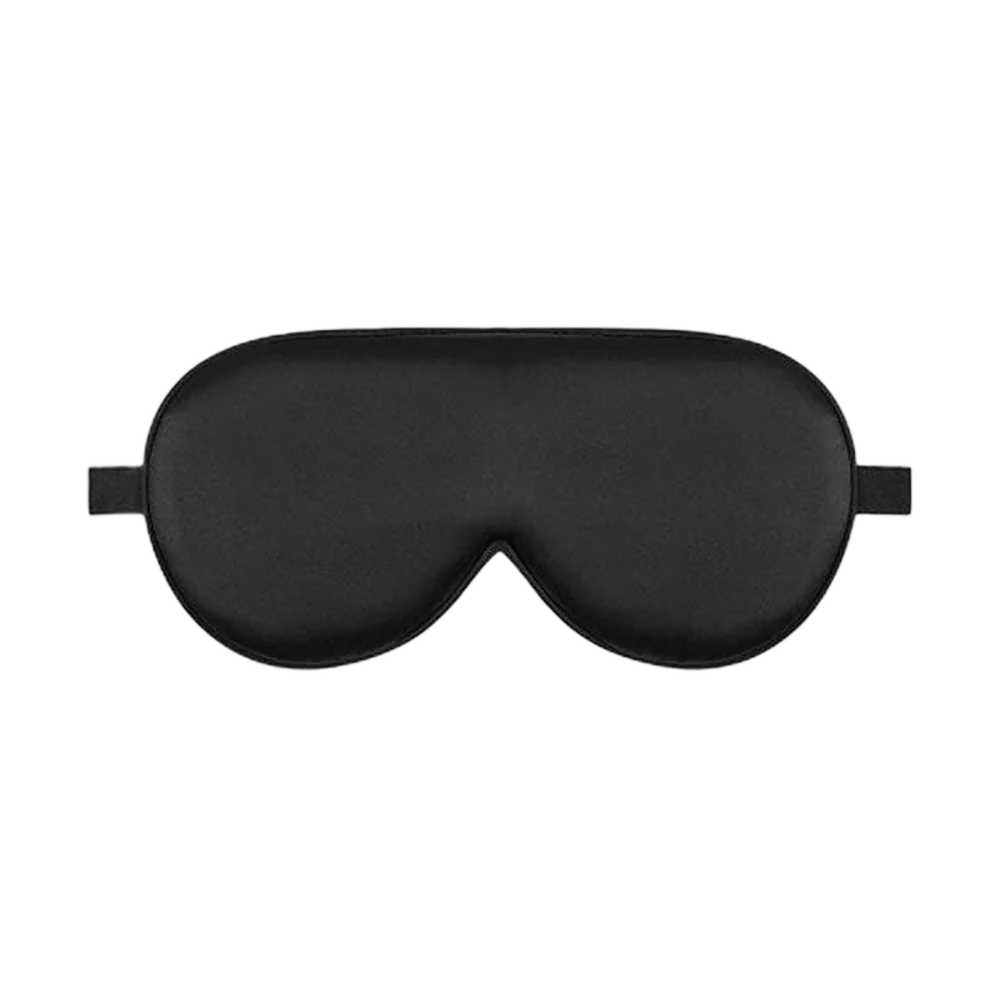
ALASKA BEAR Mulberry Silk Sleep Mask
Night Shift Sleep Gear86 · Score$15.99

ALASKA BEAR Mulberry Silk Sleep Mask

Why this one, for you: Short-term housing has decorative curtains and you cannot mount a rod in it. This is the portable blackout answer, and it weighs nothing in a bag already full of scrubs.

Check price →See the full scoring →
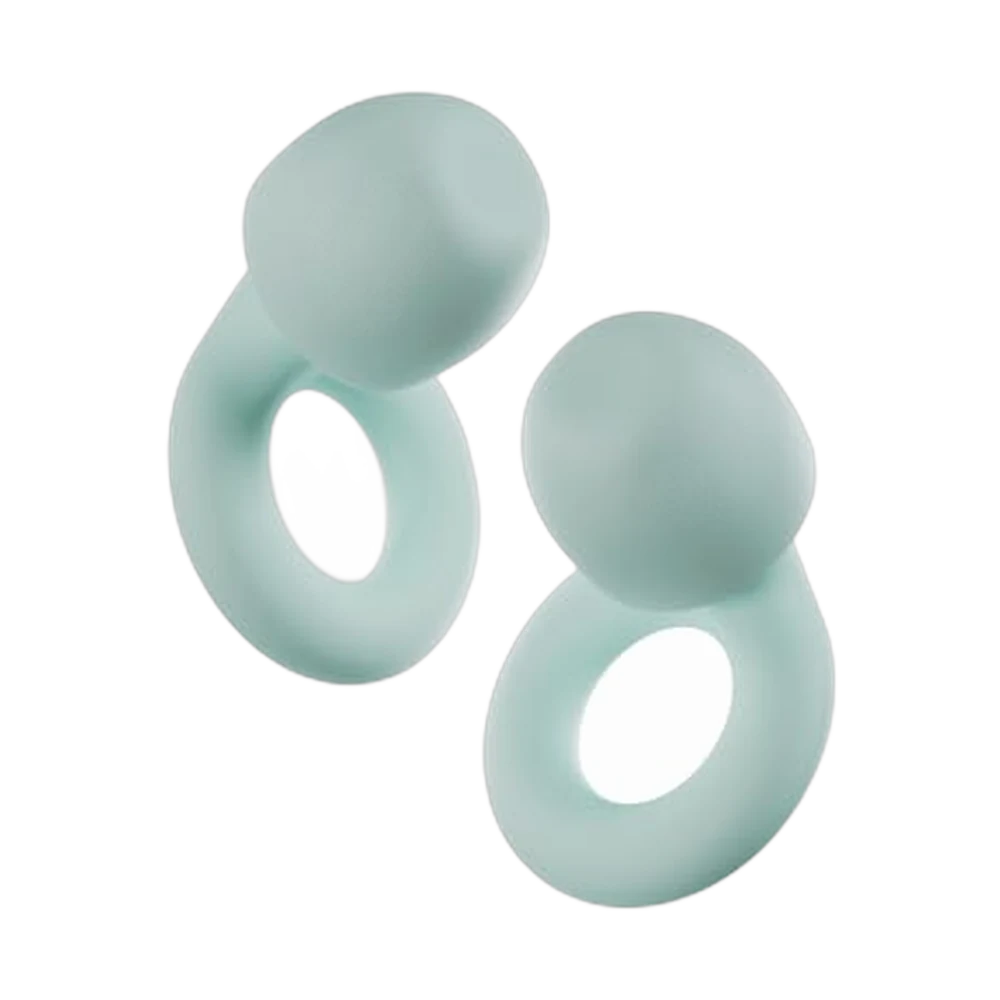
Loop Quiet 2 Reusable Earplugs
Night Shift Sleep Gear72 · Score$24.95

Loop Quiet 2 Reusable Earplugs

Why this one, for you: Extended-stay walls are thin and housekeeping starts early. Reusable rather than disposable, so a year of assignments does not become a running foam-plug expense.

Check price →See the full scoring →
Bentgo Prep 2-Compartment Set, 20 Pieces
Lunch Boxes & Meal Bags76 · Score$13.99

Bentgo Prep 2-Compartment Set, 20 Pieces

Why this one, for you: The cheapest fix for the biggest hidden cost of travel nursing. Furnished kitchens come with pans and nothing to store food in, and a flat nesting set packs into a corner of a suitcase.

Check price →See the full scoring →
We research rather than lab-test: manufacturer specifications, owner reports and published guidance, said plainly. Prices at the affiliate retailers we link change constantly, and nothing on this page is medical advice or a substitute for your facility's policy. How we score.

Read next

Best Nursing Bags (2026): Totes, Backpacks & Organizers

Read →

Best Compression Socks for Nurses (2026): 5 Top Picks

Read →

Best Shoes for Standing All Day (2026): 12-Hour Picks

Read →

Buying this for someone else?

Gifts for nurses

If you are shopping for a traveler, this is the list — everything on it is small enough to post.

Questions we get asked

What should a travel nurse carry that a staff nurse does not?

Redundancy on the small things and a way to carry them on your body. A staff nurse can stash spares in a locker and learn where supplies live; a traveler has thirteen weeks and often no locker, so a hip organizer and a personal set of shears, light and pens do more work than they would for permanent staff.

Lightweight or cardiology stethoscope for travel assignments?

Lightweight for medical-surgical, telemetry and float contracts — the weight and replacement cost both matter more than the last increment of acoustic performance. Take the cardiology tier when the contract itself is cardiac or critical care, where the specification is doing real work every shift.

How do you sleep in short-term housing?

Portable versions of the same stack: a mask instead of curtains you cannot mount, reusable earplugs for thin walls, and a consistent wake time. Anything that requires a drill, a rod or a landlord conversation is not travel gear, however well it works at home.

Do I need two pairs of work shoes on assignment?

Most travelers report one well-cushioned neutral pair doing both the shift and the city. If you are running back-to-back stretches and can spare the space, a second pair lets the foam recover between shifts — but it is one to two pounds you carry to every assignment for occasional benefit.

The traveler's test for any purchase: would you carry it up three flights to a fourth-floor walk-up you have not seen? If the honest answer is no, leave it.

Not quite you?