Quick Answer
Use the diaphragm for higher-pitched sounds (breath sounds, most normal heart sounds, bowel sounds) and the bell for low-pitched sounds, where extra heart sounds and bruits live. On a tunable chestpiece, rest it lightly for bell-like low frequencies and press firmly for the diaphragm. Stethoscopes that do both well: the Littmann Classic III and ADC Adscope 619 tune by hand pressure, the Littmann Lightweight II S.E. ships with an open bell, and the MDF MD One has a true bell on a rotating stem.
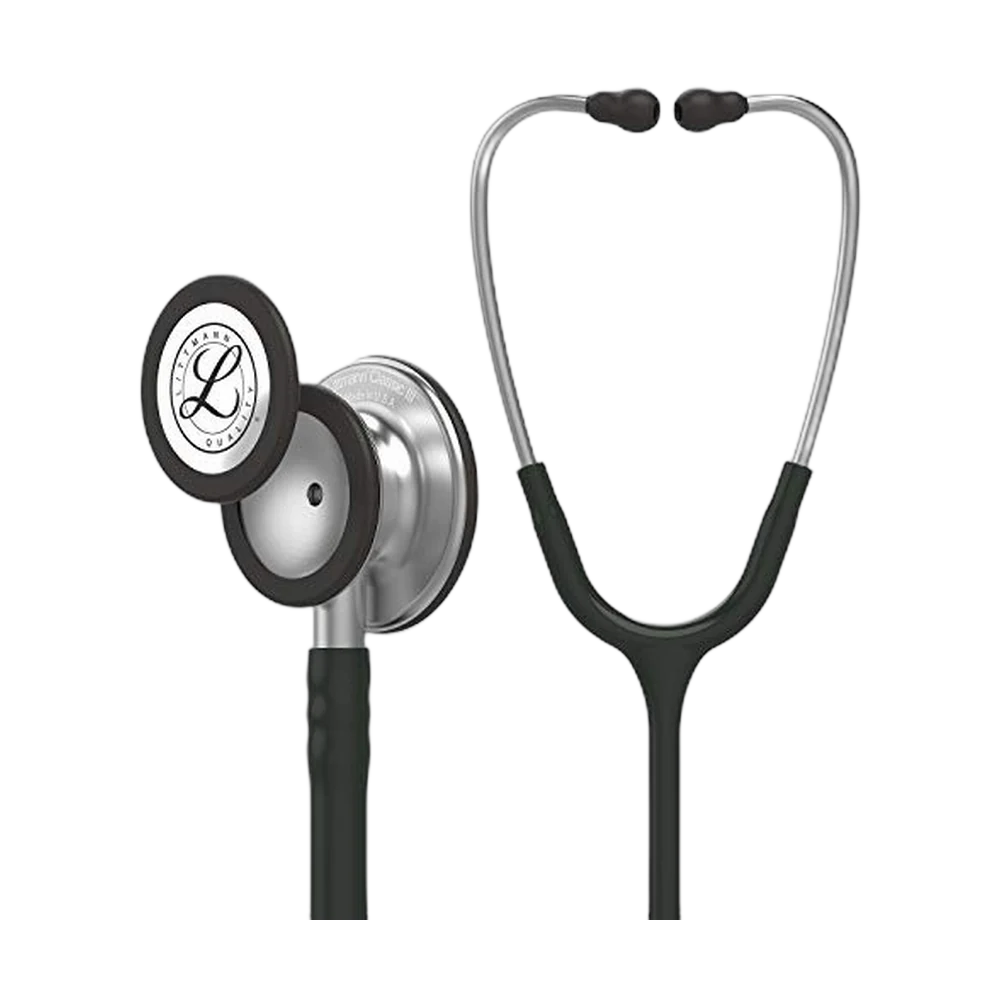
Littmann Classic III (5620)$98.77
Buy on Amazon · $98.77ADC Adscope 619 Ultra-Lite$32.29
Buy on Amazon · $32.29Littmann Lightweight II S.E.$54.99
Buy on Amazon · $54.99MDF MD One Stainless Steel$49.99
Buy on Amazon · $49.99Key takeaways
- The diaphragm is a filter. Its stretched membrane responds to high-frequency vibration and suppresses the low end, which is exactly what the open bell leaves in.
- On a tunable chestpiece your hand is the switch. 3M states that resting the chestpiece lightly suspends the membrane so low frequencies resonate, while firm pressure restricts it and lets high frequencies through.
- The small side of a Littmann Classic III is a pediatric tunable diaphragm, not a bell - though Littmann documents converting it to a true open bell with the non-chill sleeve.
- If you want a real bell with no pressure subtlety, traditional dual-head scopes like the MDF MD One still ship one on a rotating stem for around the $50 mark.
- Most bad-scope complaints are eartips in backwards, the wrong tip size, headset tension nobody adjusted, listening through clothing, or a hand resting on the tubing.
Use the diaphragmbell vs diaphragmThe two faces of a traditional dual-head chestpiece. The large flat diaphragm favours higher-frequency sounds; the smaller cup-shaped bell, used with light skin contact, favours lower-frequency ones. Which you reach for depends on what you are listening to. for high-pitched sounds and the bell for low-pitched ones: on a tunabletunable diaphragmA single-sided chestpiece that behaves like a bell under light pressure and like a diaphragm under firm pressure, so you change register by changing how hard you press instead of flipping the head. It is the defining feature of most modern cardiology-class stethoscopes. chestpiece, press firmly for the diaphragm and rest it lightly for the bell. The two sides of a stethoscope chestpiece are filters. The diaphragm is the flat side with a stretched membrane across it: the membrane is under tension, so it moves readily with fast, high-frequency vibrations and resists slow, low-frequency ones. That makes it the side you use for most of what you listen to on a shift. The bell is the smaller open cup: with no membrane in the way, the patient's skin itself becomes the vibrating surface, and because loose skin under a light cup is a low-tension membrane, low-frequency sound comes through that the diaphragm was filtering out. Same tubing, same ears, two different filters at the far end.
If your chestpiece is a modern Littmann or an ADC with AFD, you may not have a separate bell at all — you have a tunable diaphragm, which is the same physics done with your hand. 3M's own instructions are unambiguous about how it works: rest the chestpiece lightly and the membrane is suspended so it resonates low-frequency sounds; press firmly and the membrane's movement is restricted, which attenuates the low frequencies and lets the higher ones through. Light hand equals bell, firm hand equals diaphragm, no flipping the head mid-assessment. That one sentence is the thing most students are never told plainly, and it explains why the "bell side" of their new scope does not look like the bell in the textbook.
What is the diaphragm for, and what is the bell for?
The conventional division taught in every assessment course: the diaphragm handles the higher-frequency material — breath sounds, most normal heart sounds, bowel sounds — and the bell handles the low-frequency material, which is where extra heart sounds and bruits live. Blood pressure by auscultation is its own argument; you will hear both sides defended by experienced people, and your program will tell you which one it wants you to document with.
What matters for choosing and using the tool is narrower than the clinical question, and it is this: a diaphragm removes information. It is a high-pass filter by design. When someone says "switch to the bell," they are saying "stop filtering out the low end for a moment." Everything else — which findings, which patients, which spot on the chest — is assessment technique that belongs to your instructor, your preceptor and your program's skills checklist, not to a gear site.
Do I actually need a bell as a student?
For the great majority of shifts, you will live on the diaphragmbell vs diaphragmThe two faces of a traditional dual-head chestpiece. The large flat diaphragm favours higher-frequency sounds; the smaller cup-shaped bell, used with light skin contact, favours lower-frequency ones. Which you reach for depends on what you are listening to.. That is not a reason to buy a scope without a low-frequency option, because the moment you want it, nothing else substitutes.
Three practical situations decide it:
- You have a tunable single- or dual-sided scope. You already have both filters. Learn the pressure difference deliberately — listen to the same spot twice, once resting the chestpiece so lightly it is barely in contact, once pressing hard enough to see the skin dimple. Until you can hear the change, you do not really have two filters; you have one and a habit.
- You want a true open bell. On a Littmann dual-head chestpiece, the small side converts: pinch and pull the diaphragm off, then fit the non-chill bell sleeve onto the rim of the exposed bell. That is a supported, reversible conversion described in Littmann's own usage instructions, not a modification. Adults-only clinicians who never use the pediatric diaphragm often make this conversion permanently.
- You want the bell without converting anything. Traditional dual-head scopes still exist and are inexpensive. The MDF MD One Stainless Steel Dual Head Stethoscope, around the $50 mark, has a true bell and a true diaphragm on a rotating stem — you index the stem and use one or the other, with no pressure subtlety involved. Some nurses prefer that honesty. It is heavier on the neck than a tunabletunable diaphragmA single-sided chestpiece that behaves like a bell under light pressure and like a diaphragm under firm pressure, so you change register by changing how hard you press instead of flipping the head. It is the defining feature of most modern cardiology-class stethoscopes. scope, which is the tradeoff.
One thing worth knowing before you pay extra for a "deep bell": on scopes that tune by pressure, the bell depth is a spec you can compare on paper but cannot use unless your hand pressure is controlled. Technique first, then hardware.
Which side is the little one — bell or pediatric diaphragm?
This is the single most common point of confusion with a modern chestpiece, and it is worth being concrete.
On a Littmann Classic III Monitoring Stethoscope (5620) — roughly the mid-$90s, and the most common scope on any US floor — the small side is not a bell. It is a second tunable diaphragm sized for pediatric patients, thin arms, and getting under a blood pressure cuff. Both faces of that chestpiece tune by pressure. If you want the small side to be an open bell, you perform the sleeve conversion above.
On a Littmann Lightweight II S.E. Stethoscope (2450), in the mid-$50s, the teardrop chestpiece pairs a tunable diaphragm with an open bell as shipped, and Littmann states 118 g, the lightest of its adult scopes. On the ADC Adscope 619 Ultra-Lite at around $32 you get ADC's AFD tuning plus an extra-deep bell in a 3.7 oz body. Three different answers to the same question, at three different prices. We compared the full set in our stethoscope guide, and the category page for stethoscopes lists the specs side by side.
Two rules that hold across all of them: index the chestpiece before you listen — rotate the stem until it clicks, with the mark on the stem pointing at the side you intend to use — and remember that an un-indexed chestpiece is a very effective way to hear nothing at all and conclude your new scope is defective.
Stethoscopes that do both well
Every scope here gives you both filters; they differ in how you switch between them. The full comparison is in our stethoscope guide.
- Littmann Classic III Monitoring Stethoscope (5620): two tunable diaphragms, so your hand pressure is the switch, and a documented conversion of the small side to an open bell. The default first real scope.
- ADC Adscope 619 Ultra-Lite: AFD tuning plus an extra-deep bell in a 3.7 oz body, at the lowest price of the four.
- Littmann Lightweight II S.E. Stethoscope (2450): a tunable diaphragm and an open bell as shipped, at 118 g per Littmann.
- MDF MD One Stainless Steel Dual Head Stethoscope: a true bell and a true diaphragm on a rotating stem, with no pressure subtlety, and heavier on the neck.
What are the common mistakes with placement and pressure?
Most "this scope is bad" complaints are one of five fixable things.
The eartips are in backwards. The headset is angled to match the direction of the ear canal, and Littmann's instructions state that the eartips should point forward as you insert them. Wear them backwards and you lose volume across the board. This is the first thing to check on any scope that suddenly sounds dull.
The eartips do not seal. Soft-sealing tips come in more than one size for a reason, and a tip that is too small for your canal leaks room noise into everything. Swapping sizes is free if the spares are still in the box, and cheap if they are not.
The headset tension is wrong. Too loose and the seal is gone; too tight and you will take the scope off after ten minutes. Littmann's instructions describe adjusting it directly: pull the eartubes apart to decrease tension, squeeze them together and cross them over to increase it. Very few people ever do this.
Listening through clothing. Fabric adds its own noise and removes the low end you were trying to hear. Skin contact, every time. Chest hair produces a similar crackle; a little pressure or a damp hand quiets it.
Touching the tubing. Any contact with the tube during auscultation transmits straight to your ears as a rumble that sounds like a real finding. Let the tubing hang free, keep your hand on the chestpiece, and stop moving.
And the specific tunable-diaphragm error: pressing hard on everything. If your entire technique is one firm press, you own a scope that can do two things and are using one of them. A manual blood pressure is a good place to notice pressure differences deliberately, because you are listening to the same site repeatedly and can afford to experiment with your hand.
The honest close
The gear question here is smaller than it looks. Any current clinician-grade scope — Littmann, ADC, MDF — gives you both filters, whether as two faces of a chestpiece or as one face plus your hand pressure. What separates nurses who hear things from nurses who do not is almost entirely eartip fit, seal, quiet, and knowing which filter is currently selected. That is all technique, and it costs nothing. Buy the scope you will actually wear for twelve hours, then spend an hour learning what the light-versus-firm difference sounds like on someone who will let you practice.
Anything you hear that concerns you is a conversation with the provider caring for that patient, and anything you are unsure how to assess is a conversation with your preceptor or instructor. This page is about the instrument, not the finding.
| Scope | Price | Small side as shipped | How you select low frequency |
|---|---|---|---|
| Littmann Classic III (5620) | $98.77 | A second tunable diaphragm sized for paediatric patients, not a bell | Rest the chestpiece lightly, or fit the non-chill bell sleeve to convert the small side |
| Littmann Lightweight II S.E. (2450) | $54.99 | An open bell, as shipped, on a teardrop chestpiece | Index the stem to the bell side |
| Littmann Cardiology IV | $199.99 | A tunable paediatric diaphragm that converts to an open bell | Rest lightly, or convert the small side with the bell sleeve |
| ADC Adscope 619 Ultra-Lite | $32.29 | AFD tunable diaphragm with an extra-deep bell | Hand pressure, or index to the bell |
| ADC Adscope 603 | $73.22 | A combination chestpiece: AFD tunable diaphragm plus a non-chill bell | Hand pressure, or index to the bell |
| MDF MD One Stainless | $49.99 | A true open bell on a fully rotating stem | Index the stem. No pressure subtlety involved, and heavier on the neck |
Products discussed in this article
Every item named above, with the NurseComforts Score and the price we last recorded. Prices at the affiliate retailers we link change constantly.
Littmann Classic III Monitoring Stethoscope (5620)
86 · Score$98.77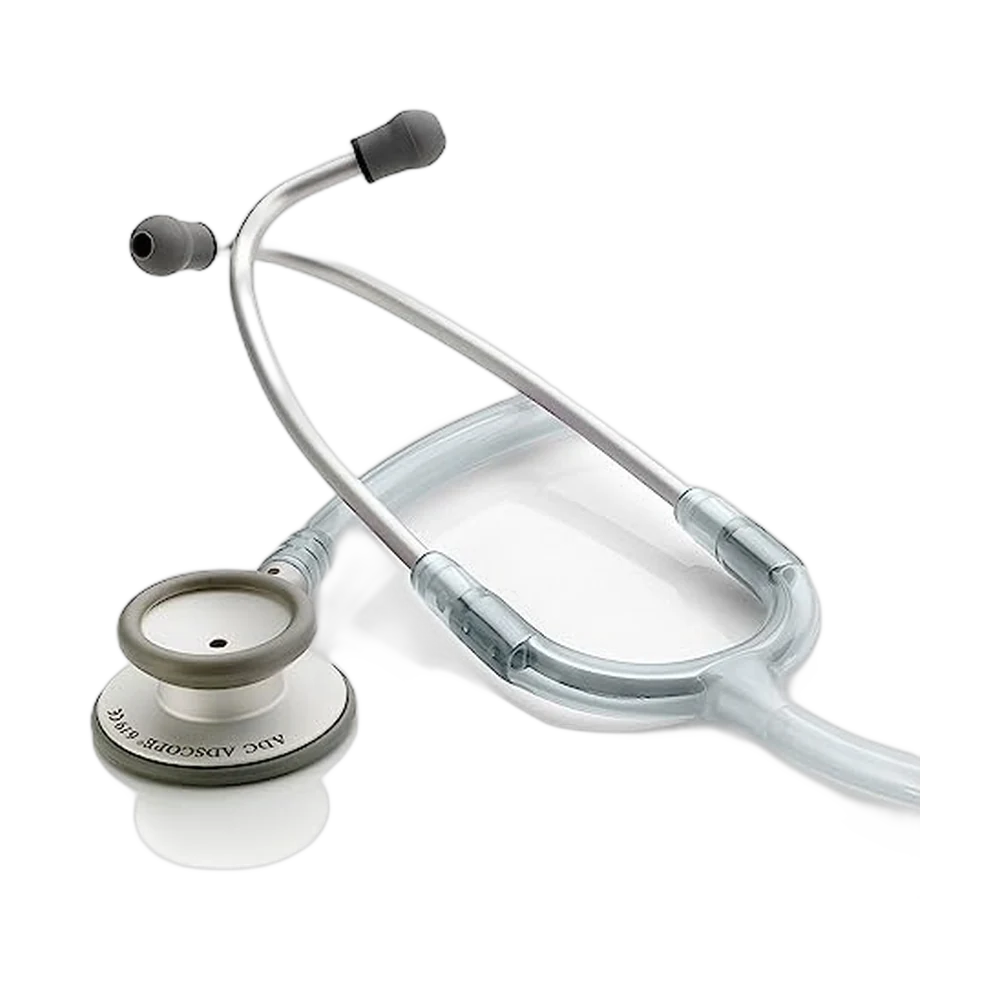
ADC Adscope 619 Ultra-Lite Clinician Stethoscope
85 · Score$32.29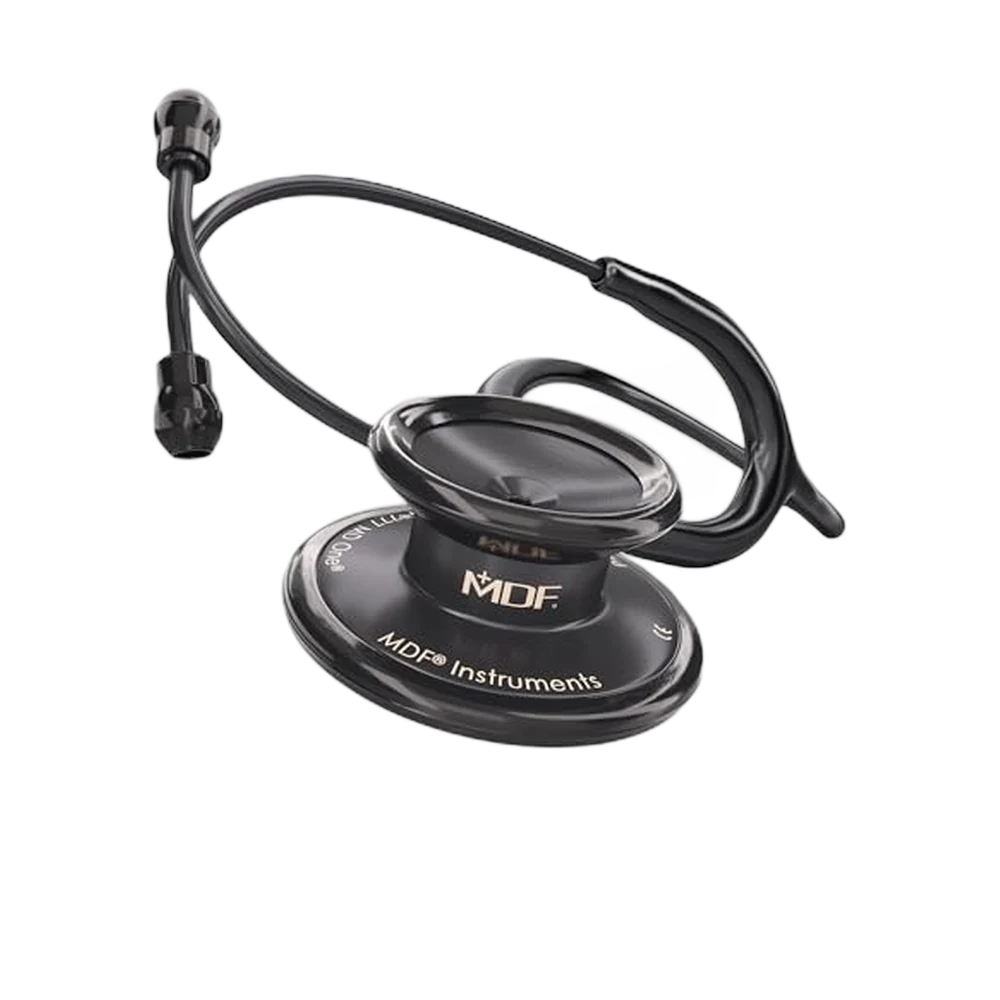
MDF MD One Stainless Steel Dual Head Stethoscope
80 · Score$49.99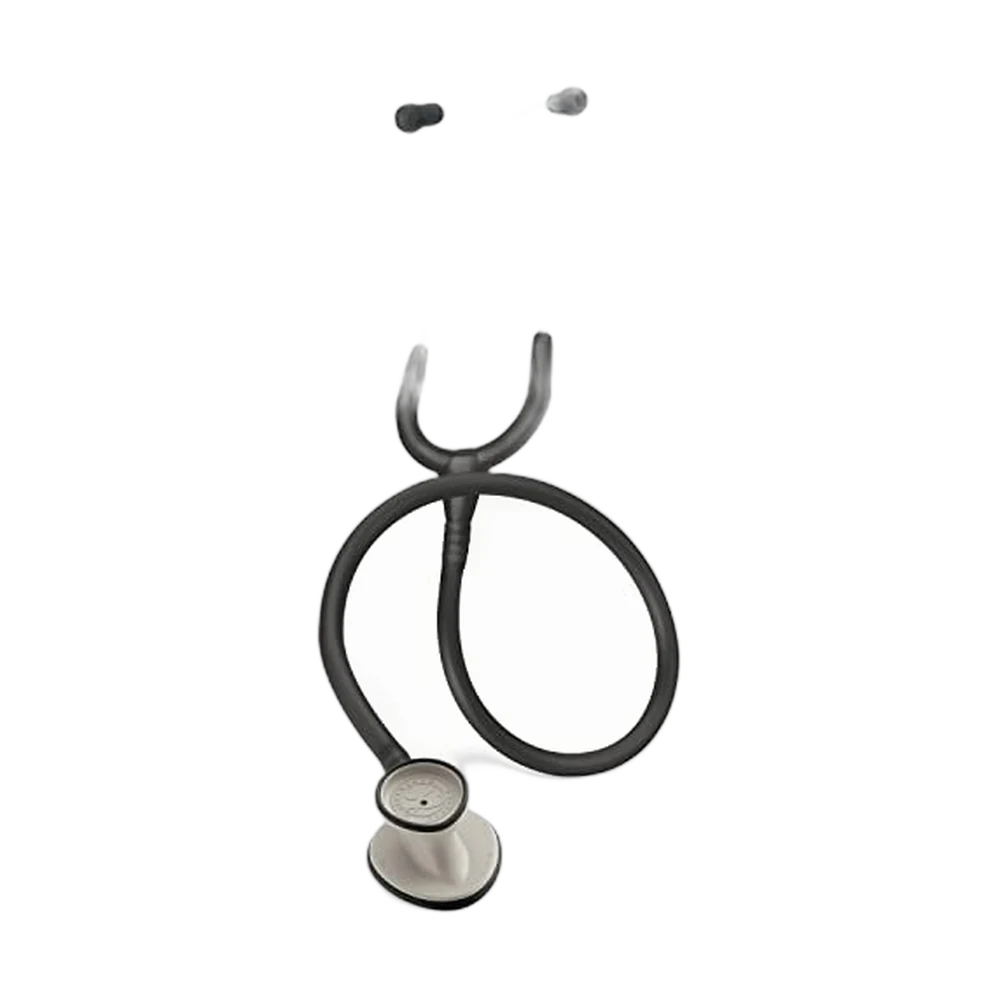
Littmann Lightweight II S.E. Stethoscope (2450)
83 · Score$54.99
Your next step