Gift guide

Gifts for Night Shift Nurses

Shopping for a night-shift nurse is a different problem, and it has one answer: protect the sleep. The shift itself is survivable. What grinds people down is trying to sleep at 9 a.m. in a bright bedroom while a neighbor mows a lawn and the phone buzzes. Almost everything below is aimed at that window, with two picks at the end for the working half of the equation — moving quietly through a dark room without waking a patient.

If you buy exactly one thing, buy light control. Daytime sleep fails on light before it fails on noise, and light is also the cheapest thing to fix. A mask that seals properly or curtains that actually block will do more than any supplement, any tea, and any weighted blanket.

Two things this guide will not do. It will not recommend sleep supplements — that is a conversation for a night-shift nurse and their own clinician, not a gift guide. And it will not claim any product prevents the health effects associated with shift work. What these do is remove specific obstacles to sleeping in the daytime, which is a smaller and more honest claim.

Decide in 30 seconds

IfPickWhy
Buying one thing, any budgetManta Pro Sleep MaskLight control is the first failure point in daytime sleep, and a sealed mask is the most portable fix.
Under $30 totalSilk mask + blackout curtainsTogether they cover both the person and the room for around $40, and often less.
Noisy street, thin walls, daytime deliveriesLectroFan ClassicMasking beats blocking when the noise is unpredictable and outside their control.
They cannot get out of bed at 5 p.m.Hatch Restore 3A light ramp is a far gentler wake than an alarm when your body thinks it is the middle of the night.
Side sleeper who hates earplugsLoop Quiet 2Multiple tip sizes and a low profile that sits flush against a pillow.
They eat vending machine food at 3 a.m.Zojirushi 14 oz food jarHolds a hot meal across the dead hours when nothing on campus is open.
Buying blind?
Budget
Who they are
How these labels are decided

These two labels are our editorial judgement about a whole category, not a claim about any product. Needs a size covers shoes, clogs, scrubs, warm-up layers, insoles, compression socks (which fit by calf circumference, not shoe size) and blood pressure cuffs (which fit an arm-circumference range). Check the unit covers footwear, where some clinical sites require a slip-resistant outsole in writing, and everything worn as uniform — scrubs, warm-up layers and cloth scrub caps — where the colour or the item itself is set by a program or an employer. Everything else is treated as safe to buy without asking. Prices come from the affiliate retailer we link and move constantly, so a budget band is a band, not a quote.

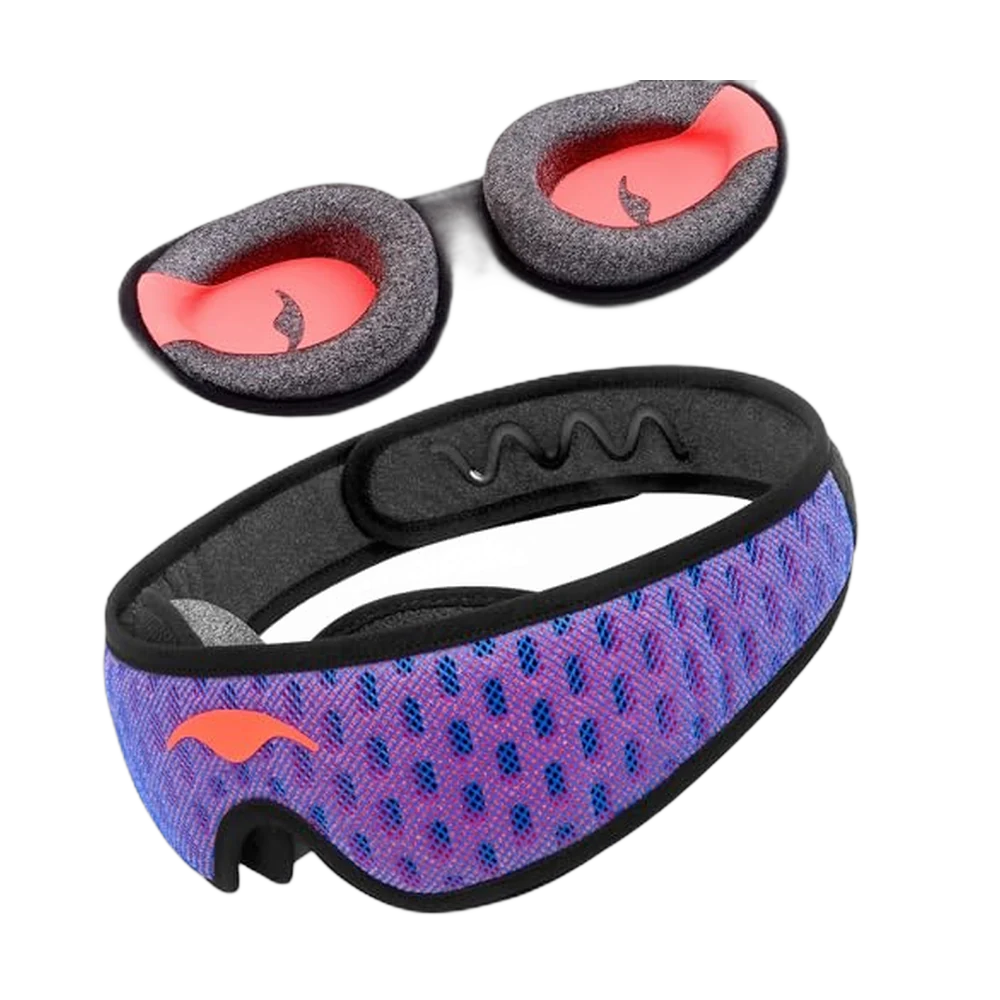
Manta Pro Sleep Mask

Manta Pro Sleep Mask

Night Shift Sleep Gear$85.00

Why this pick: The best-in-class pick and the one to buy if the budget allows. The eye cups are modular and sit around the eye socket rather than pressing on the lids, so it stays sealed when they roll over and does not wreck a REM cycle by shifting at hour three. Expensive for a mask, trivial next to the value of an uninterrupted day's sleep.

Check current price →
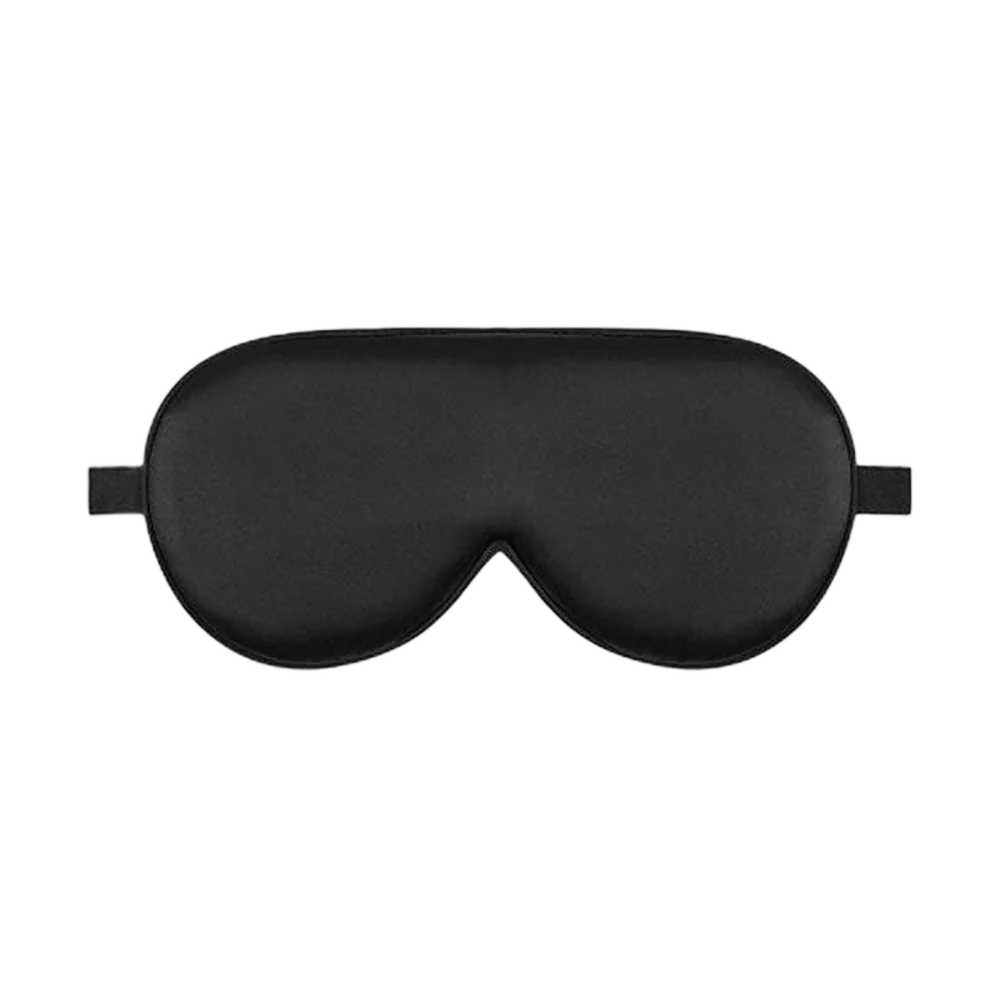
ALASKA BEAR Mulberry Silk Sleep Mask

ALASKA BEAR Mulberry Silk Sleep Mask

Night Shift Sleep Gear$15.99

Why this pick: The affordable version of the same idea, at around $16. Mulberry silk is gentle on skin over a long sleep and does not trap heat the way a synthetic mask can. It will not seal as absolutely as a contoured mask, but for a dim room it is plenty — and it is the right choice if you are pairing it with blackout curtains.

Check current price →
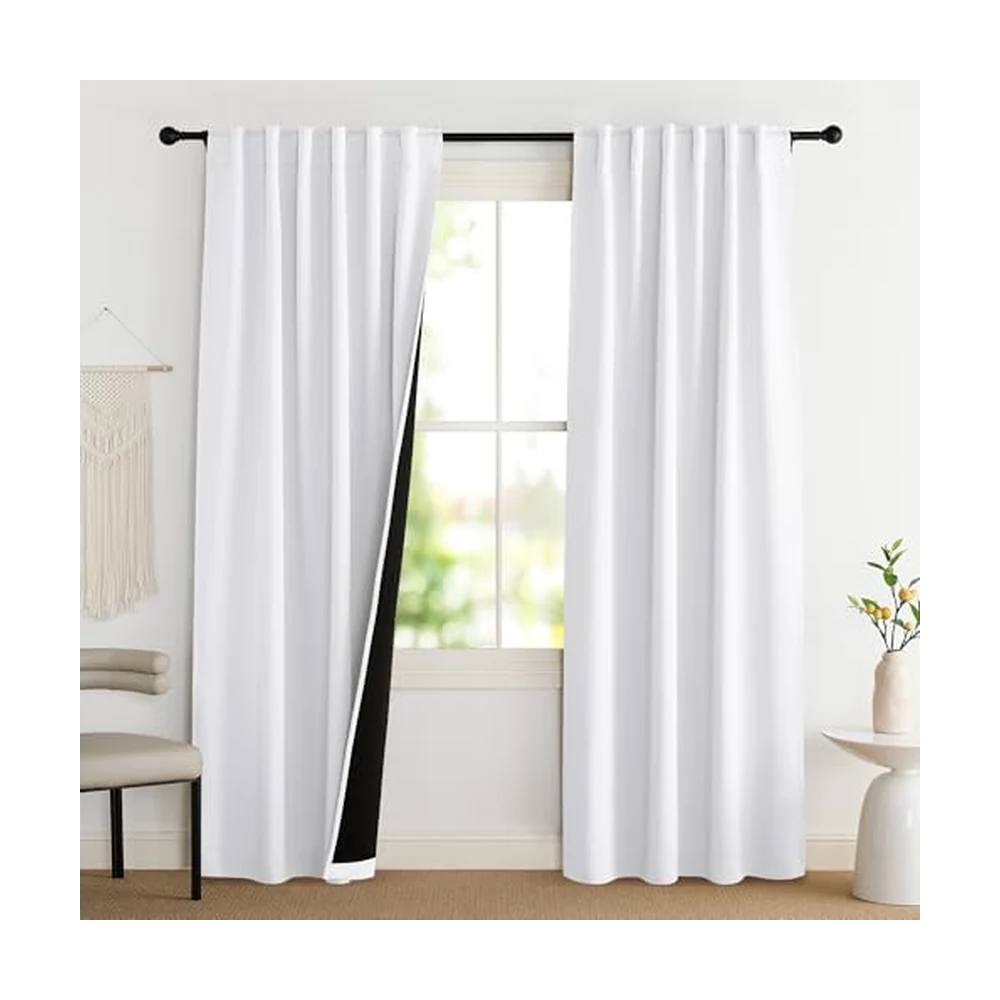
NICETOWN 100% Blackout Curtains, 2 Panels

NICETOWN 100% Blackout Curtains, 2 Panels

Night Shift Sleep Gear$24.99

Why this pick: The structural fix. A blackout mask helps one person; blackout curtains fix the room, which matters if they nap on the sofa before a shift or share a bed with someone on a normal schedule. Look at the black-liner construction rather than the fabric weight — the liner is what actually stops light.

Check current price →
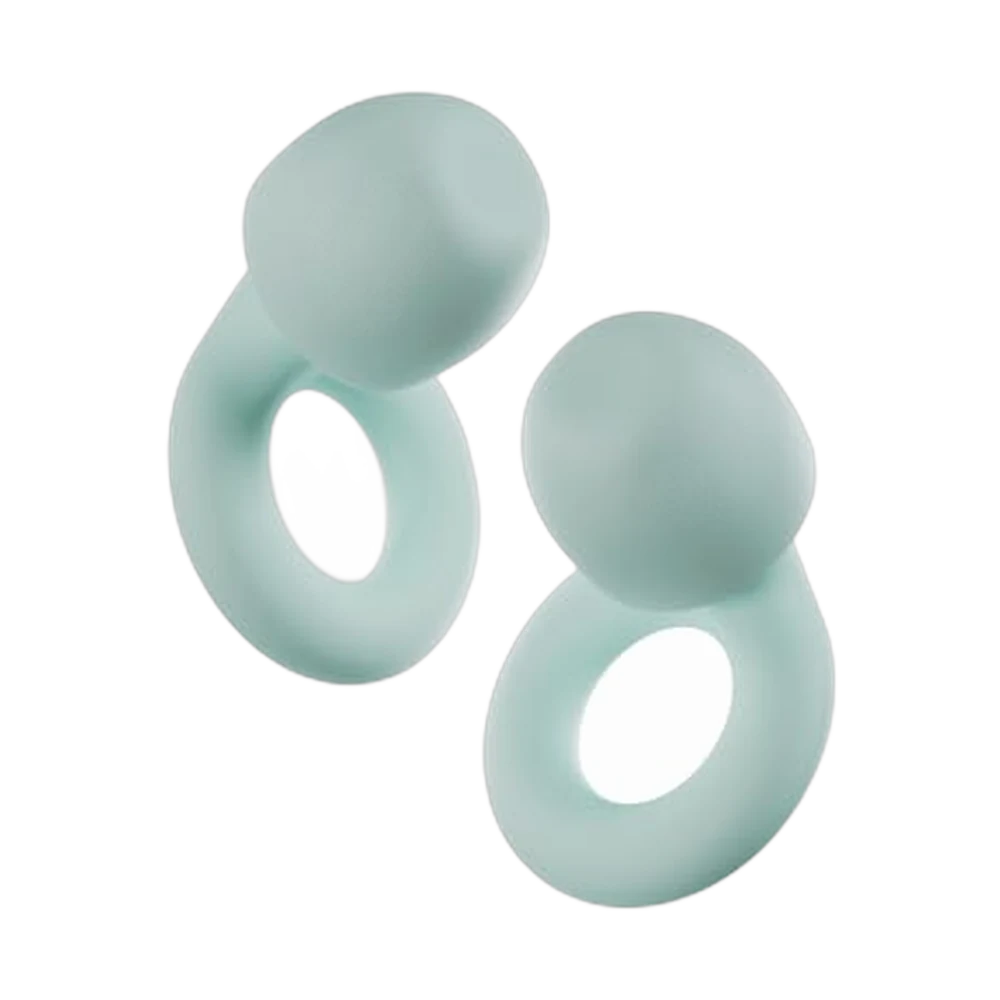
Loop Quiet 2 Reusable Earplugs

Loop Quiet 2 Reusable Earplugs

Night Shift Sleep Gear$24.95

Why this pick: Reusable silicone earplugs designed to be worn all night rather than for a single flight. Multiple ear-tip sizes matter more than people expect here: a plug that does not seal is not attenuating anything, and side sleepers need one that sits flush enough not to press against a pillow.

Check current price →
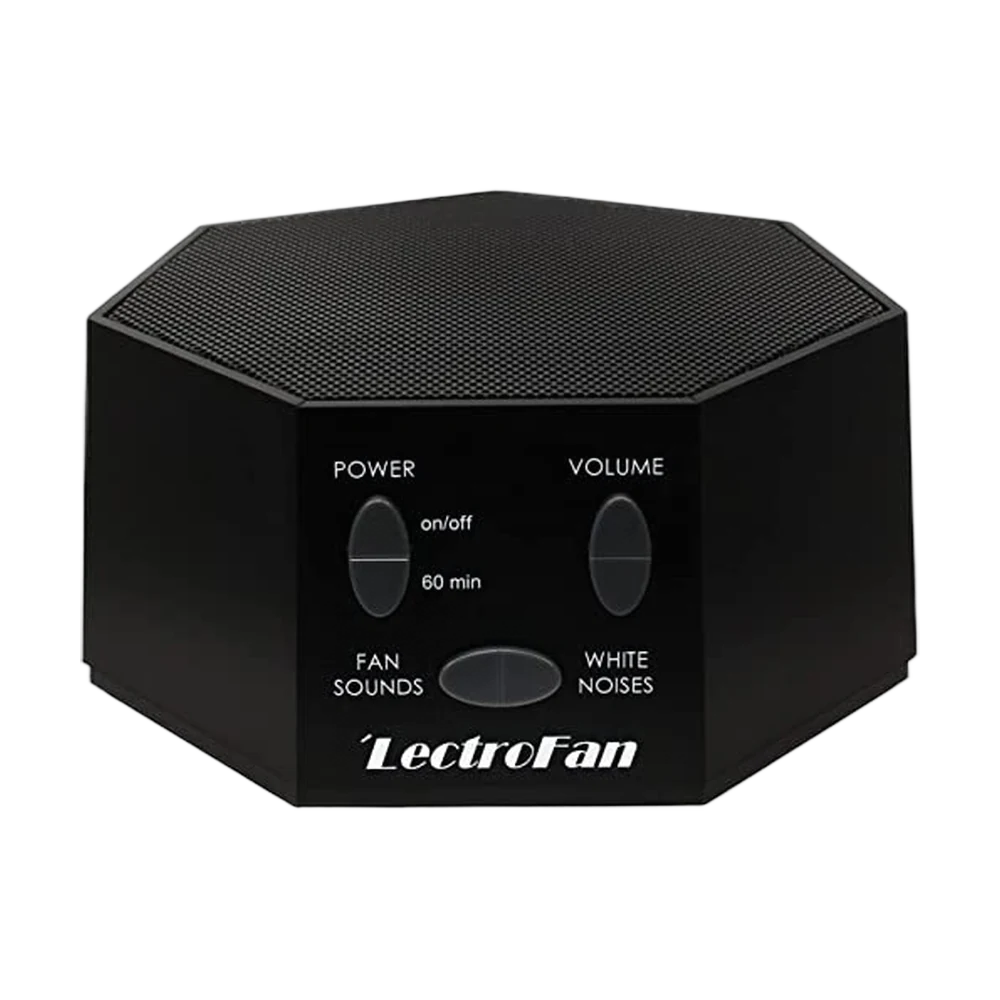
LectroFan Classic Sound Machine

LectroFan Classic Sound Machine

Night Shift Sleep Gear$54.95

Why this pick: Sound masking rather than sound blocking, which is the right approach for daytime noise you cannot control — traffic, deliveries, a neighbor's dog. The fan and white-noise options are generated rather than looped, so there is no repeating clip for the brain to latch onto at hour two.

Check current price →
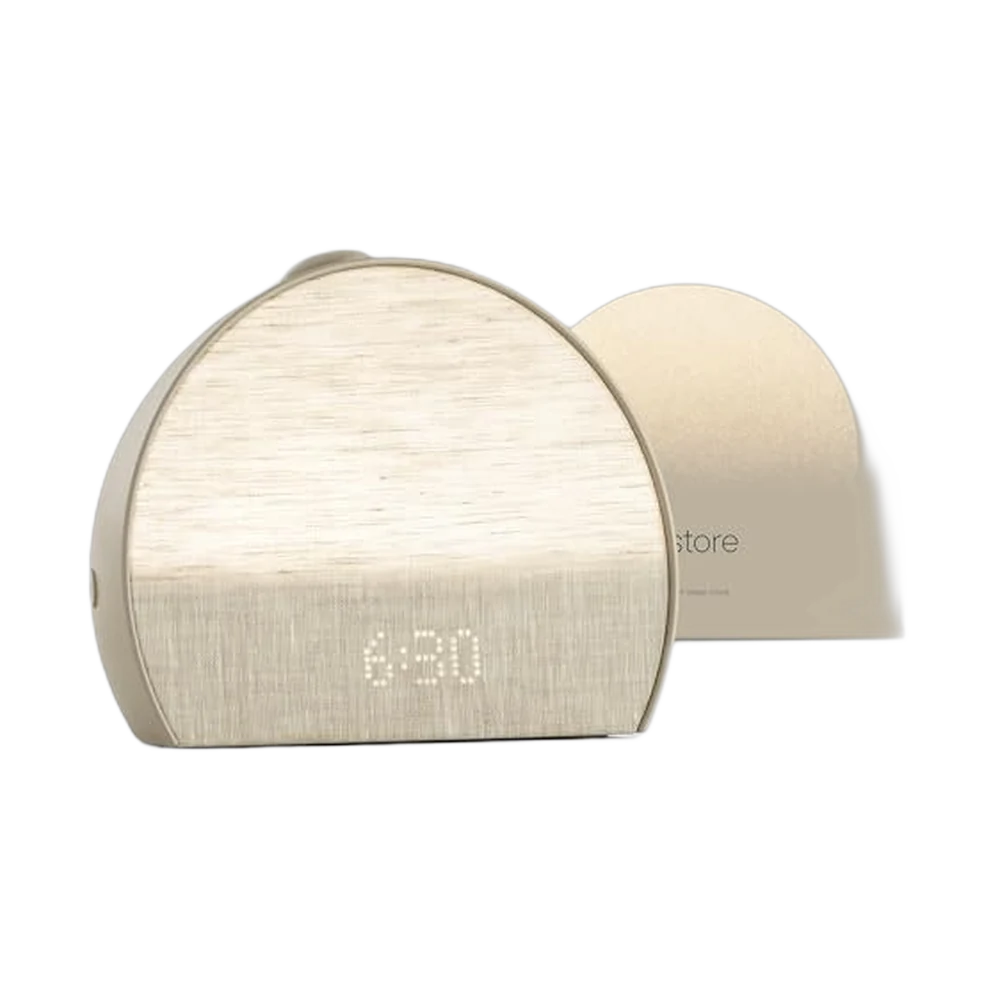
Hatch Restore 3 Sunrise Alarm & Sound Machine

Hatch Restore 3 Sunrise Alarm & Sound Machine

Night Shift Sleep Gear$169.99

Why this pick: The high-end pick, and the one with the clearest night-shift argument: waking to a light ramp rather than a shrieking alarm at 5 p.m. is markedly less brutal, and the wind-down routine gives a body clock that is permanently confused something consistent to anchor to. Check that they want another connected device before buying.

Check current price →
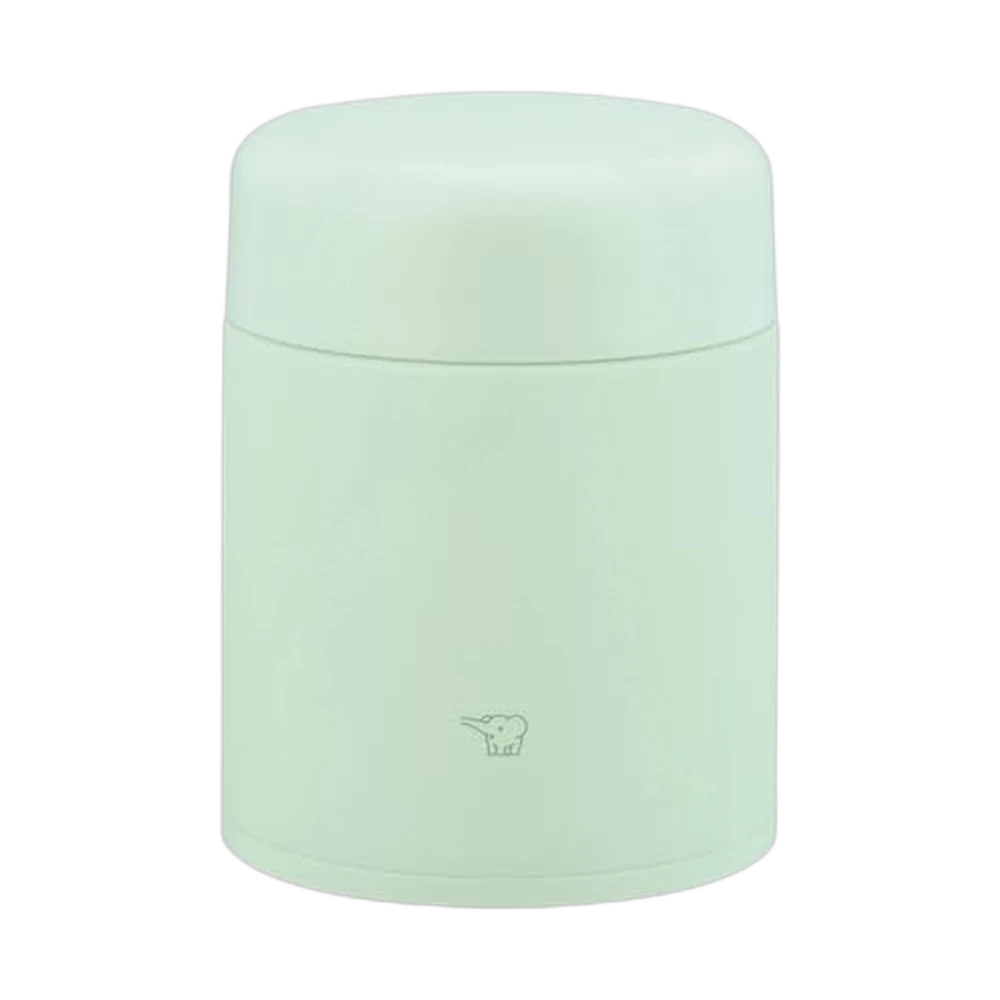
Zojirushi Stainless Steel Food Jar, 14 oz

Zojirushi Stainless Steel Food Jar, 14 oz

Lunch Boxes & Meal Bags$33.85

Why this pick: The night-shift food problem is real: cafeterias close, break rooms empty out, and vending machines are what is left at 3 a.m. A vacuum food jar that still holds a hot meal eight hours after it was filled is genuinely a quality-of-shift gift, and Zojirushi's are the ones that hold heat rather than merely claiming to.

Check current price →
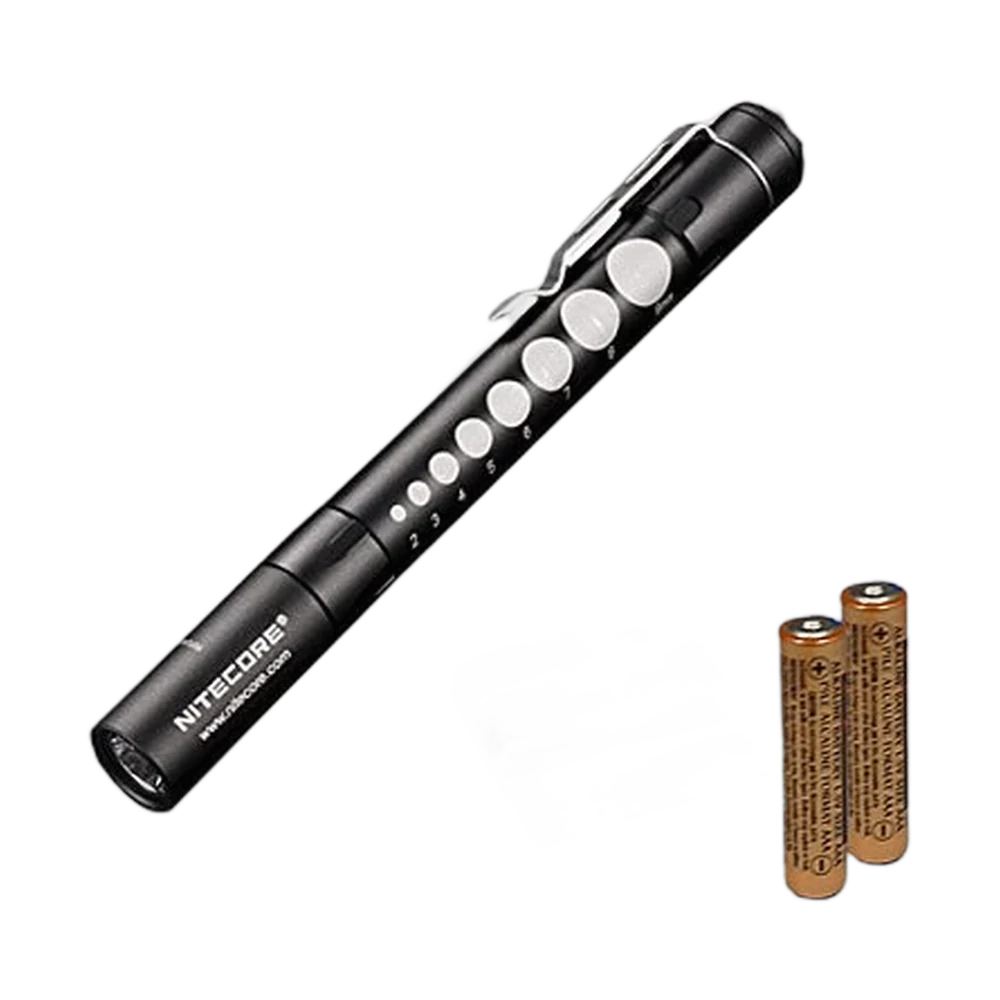
Nitecore MT06MD High-CRI Medical Penlight

Nitecore MT06MD High-CRI Medical Penlight

Penlights$29.95

Why this pick: For the working half of the night. A high-CRI medical penlight renders color far more truthfully than a cheap blue-white LED, which matters when assessing skin, mucosa or a wound in a dark room. It is also small enough to check a patient without flipping on the overheads and waking the whole bay.

Check current price →
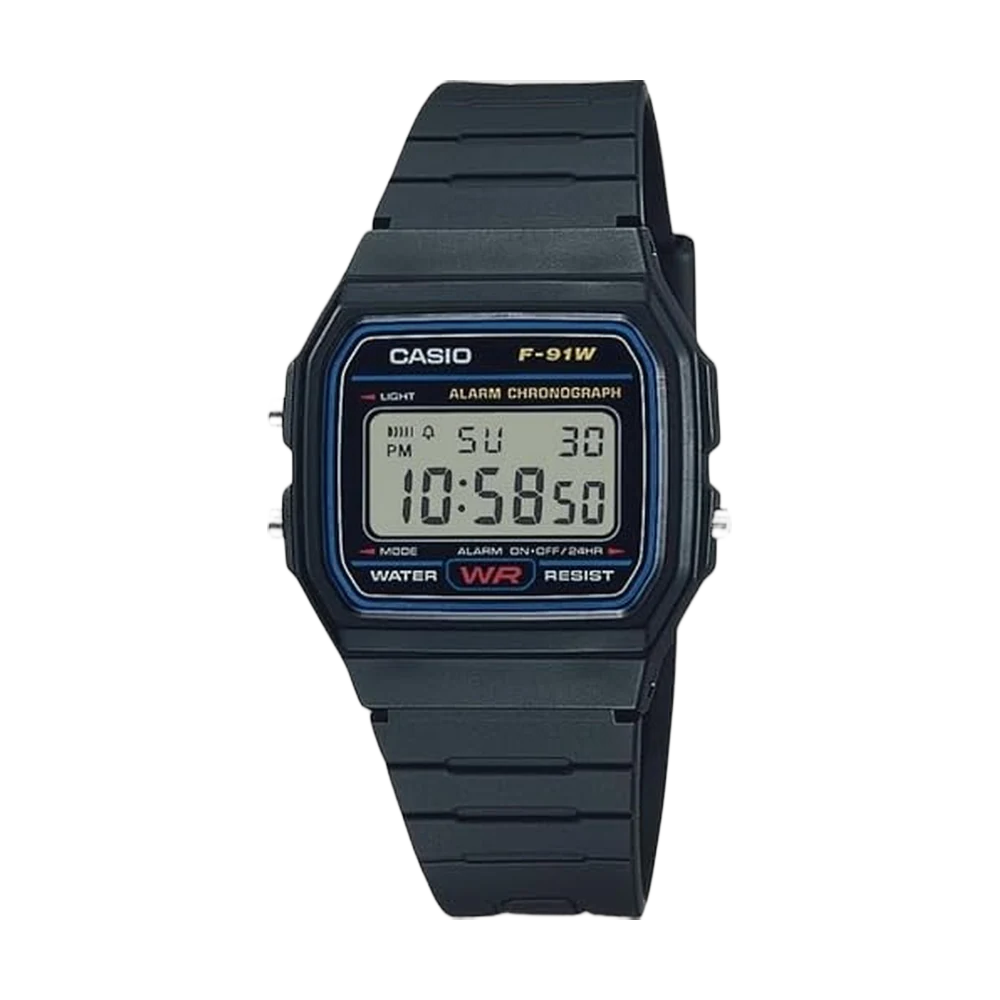
Casio F91W-1 Digital Sport Watch

Casio F91W-1 Digital Sport Watch

Nurse Watches$21.92

Why this pick: Twenty-five dollars, a backlight, and it will run for years. On nights, a lit digital display is easier than squinting at an analog dial in a dim hallway, and the alarm function is useful for timing. Cheap enough that a splash of anything is not a tragedy.

Check current price →

Everything on this list is downstream of one idea: the shift is not the hard part, the sleep is. Buy for the bedroom first and the unit second, and you will have bought the right thing.

What the community says

Paraphrased consensus from r/nursing, r/Nightshift, r/shiftwork. No direct quotes.

Paraphrased from the recurring night-shift threads, the advice converges hard on environment over willpower. Blackout the room first — plywood, foil and blackout curtains all come up, in roughly that order of desperation. Second is noise, where the split is real: some swear by earplugs, others cannot tolerate them and use a fan or white noise instead, which is why buying both categories is safer than betting on one. Third is a consistent sleep window, defended against family, deliveries and phone calls, with a sunrise-style alarm frequently mentioned as making the wake-up survivable. The most common warning is against relying on sleep aids to force the schedule, with the repeated advice being to talk to a clinician rather than self-managing indefinitely.

What the research actually says

The occupational-health guidance on shift work is unambiguous that night work fights the circadian system rather than merely inconveniencing it. NIOSH's training material for nurses working extended and irregular hours treats sleep as the primary countermeasure and puts environmental control — darkness, quiet, a protected sleep period — at the center of its practical advice. That is the reasoning behind this list's shape: masks, curtains, earplugs and sound machines are the interventions the guidance actually points at.

Light is singled out because it is the dominant signal for circadian timing. Bright morning light on the commute home tends to push the body clock in the wrong direction for a day sleeper, which is why sunglasses on the drive home and a genuinely dark bedroom come up in nearly every clinical discussion of shift-work sleep. A sunrise-style light on the other end works the same lever in the opposite direction at wake time.

What the guidance does not support is the idea that a product fixes shift work. Sleep hygiene tools reduce specific obstacles; they do not neutralize the health effects associated with long-term night work. If a night-shift nurse is struggling badly with sleep, the useful gift is encouragement to see their own clinician — not a supplement bought online.

What to skip

  • Sleep supplements and melatonin gummies
    Dosing and timing for shift workers is genuinely clinical, interactions are real, and it is not something a gift guide should be steering. Leave it with their clinician.
  • Cheap flat fabric eye masks
    They press on the lids, they slide off within an hour, and they leak light at the nose. If the budget is tight, the silk mask plus blackout curtains beats a bargain-bin mask by a mile.
  • Foam earplugs in bulk
    Fine for one loud night, poor for a daily 8-hour seal. Reusable silicone plugs with multiple tip sizes are more comfortable to sleep in and cheaper across a year.
  • Anything caffeinated as a 'night shift' novelty gift
    They have that handled. Late-shift caffeine is also the thing most likely to wreck the sleep everything else on this list is protecting.

Frequently asked

What is the best gift for a nurse who works nights?+

Something that makes daytime sleep possible. If you buy one item, make it a well-sealing sleep mask; if you can spend a little more, pair it with blackout curtains so the room works even without the mask. Those two cover the light problem, which is the first thing that ruins a day sleep.

Earplugs or a white noise machine?+

It depends entirely on the person, which is why buying both is a reasonable approach at this price. Earplugs block, a sound machine masks. Plenty of night workers cannot tolerate anything in their ears for eight hours and get better results from steady generated noise; others find masking useless and need the plugs.

Do sunrise alarm clocks actually help shift workers?+

The mechanism is well established — light is the main input to circadian timing, so a gradual light ramp is a gentler wake signal than sound alone. Whether it helps a specific person depends on their schedule and their bedroom. Check that they want another connected device before spending $170 on one.

What do you get a night nurse besides sleep gear?+

Two things solve real 3 a.m. problems: a vacuum food jar that still holds a hot meal when nothing on campus is open, and a high-CRI penlight for assessing patients in a dark room without turning on the overheads. Both are working-hours gifts rather than sleeping-hours gifts.

Are blackout curtains better than a sleep mask?+

They solve different halves. Curtains fix the room, which matters for napping on the sofa, for a partner on a normal schedule, and for anyone who dislikes wearing anything on their face. A mask travels and seals more completely. Ideally they have both; if you have to pick, buy for where they actually sleep.

How much should I spend on a night shift gift?+

There is a genuinely good gift at every level here. Around $16 buys a silk mask, around $25 buys reusable earplugs or blackout curtains, around $55 buys a sound machine, and the $85 to $170 band gets you a contoured mask or a sunrise alarm. Cheap picks on this list are not compromises.

Research Sources

  1. CDC / NIOSH — Healthcare Workers topic hub
  2. Sleep Foundation — Shift Work Disorder overview
  3. American Nurses Association — Health & Safety resource hub
  4. OSHA — Healthcare worker safety topic hub

How we pick

Every product in this guide is filtered from our launch product set against the guide's specific selector criteria, then ranked by NurseComforts (0-100). The NurseComforts is a transparent, deterministic formula documented at the methodology page.

Read the NurseComforts methodology →