Quick Answer
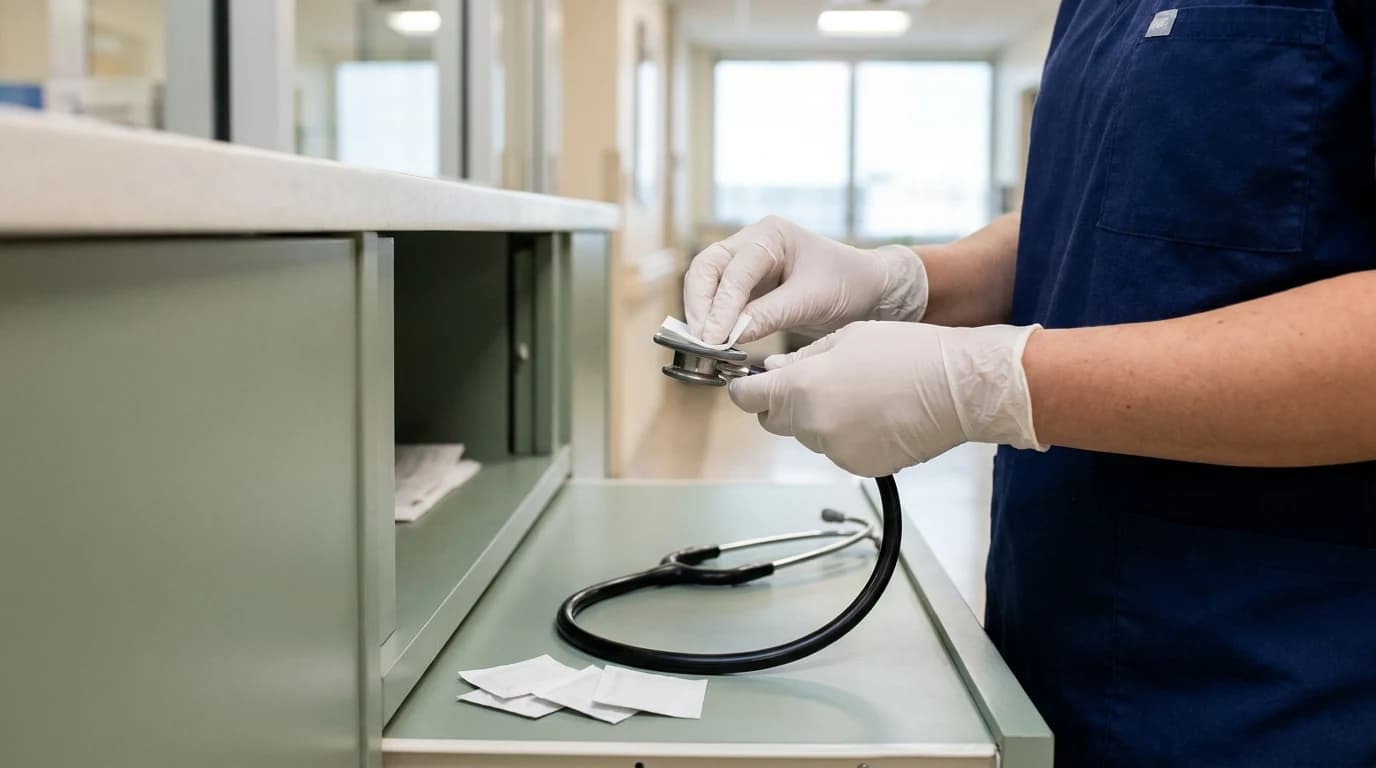
Wipe the diaphragm and bell with a 70% isopropyl alcohol pad before every patient and let it dry. Clean the tubing at the end of the shift with a soft cloth and mild soap, or an alcohol pad. Pull the eartips and the diaphragm off periodically, clean them and dry every part before reassembly. Never soak it, never sterilize it, and do not use hand sanitizer on it: Littmann, ADC and MDF all approve 70% isopropyl alcohol, and Littmann rules sanitizer out.
Key takeaways
- 70% isopropyl alcohol is the one cleaning chemistry Littmann, ADC and MDF all approve, which makes the sealed prep pad the default rather than a compromise.
- Hand sanitizer lowered bacteria on stethoscopes in the studies, but Littmann rules it out because its additives may damage the tubing. The alcohol pad satisfies both.
- Cleaning lasts one patient. In one study summarized in a 2020 systematic review, every wiped stethoscope was contaminated again within five more uses.
- Never immerse or sterilize a stethoscope. Littmann forbids both, and ADC names low-temperature gas sterilization as the only method that will not damage its scopes.
- Skin oil, heat and sunlight age the tubing faster than any wipe. Wear it over a collar and keep it out of a hot car.
Your stethoscope's diaphragmbell vs diaphragmThe two faces of a traditional dual-head chestpiece. The large flat diaphragm favours higher-frequency sounds; the smaller cup-shaped bell, used with light skin contact, favours lower-frequency ones. Which you reach for depends on what you are listening to. comes off a patient's chest carrying roughly what part of your own hand does. A Swiss teaching-hospital study in Mayo Clinic Proceedings sampled physicians' hands and stethoscopes after a standard exam of 83 inpatients: the diaphragm was more contaminated than the base of the thumb, and less than the fingertips. Nobody walks to the next bed without hand hygiene. Plenty of people walk there with the diaphragm.
The short version. A 70% isopropyl alcohol pad over the chestpiece before every patient, dried before it touches skin. A soap-damp cloth over the tubing at the end of the shift. Never soak it, never sterilize it, and never use the hand-sanitizer foam on it, even though in the studies the foam works.
What the three big makers actually approve
Every stethoscope maker publishes a care page, and they do not say quite the same thing. Lined up, they agree on one chemical.
- Littmann lists three solutions for every model: mild soap and water, 70% isopropyl alcohol, and a 2% bleach solution it warns may discolour the tubing. It rules out hand sanitizer, immersion in any liquid, and any sterilization process.
- ADC says to wipe dirt off with mild soapy water and dry it thoroughly, and to use 70% isopropyl alcohol when contamination is the concern. It warns against immersion and steam sterilization, and names low-temperature gas sterilization as the only method that will not damage its scopes.
- MDF says to clean before each use with a cotton cloth or swab and isopropyl alcohol, and to keep the tubing away from prolonged heat, cold, solvents, moisture and skin oils.
Seventy-percent isopropyl alcohol is the only chemistry on all three lists. That is why the sealed prep pad in your scrub pocket is the default, not a compromise. The full side-by-side sits at the end of this article.
The hand-sanitizer paradox
Here is the part most cleaning guides skip. A 2020 systematic review of 17 studies found ethanol-based hand sanitizer among the methods that lowered bacteria on stethoscopes. One French study it summarizes cut the mean count on diaphragms from 29.9 colonies per plate to 1.1. Littmann still tells you not to use it, because additives in sanitizers may damage parts such as the tubing.
Both are true, because they measure different things:
- The study measured bacteria on the diaphragmbell vs diaphragmThe two faces of a traditional dual-head chestpiece. The large flat diaphragm favours higher-frequency sounds; the smaller cup-shaped bell, used with light skin contact, favours lower-frequency ones. Which you reach for depends on what you are listening to. minutes after cleaning.
- The manufacturer is talking about your tubing two years from now.
- The study also found 22 of its 40 stethoscopes still colonized after the foam.
- The alcohol pad satisfies the evidence and the warranty page at once.
At the bedside. The wall dispenser is the convenient answer and the prep pad is the correct one. A few sealed pads in a pocket remove the only real argument for the dispenser, which is that it is closer.
Why once a shift is not enough
Cleaning does not last. In a French study summarized in the same review, benzalkonium wipes took 105 stethoscopes from 97 contaminated to none. After five more uses, every one was contaminated again. A clean diaphragm is clean for one patient.
The habit is where it breaks down. In a 2023 survey of 66 medical students in Poland, 30.3% said they cleaned after every patient, and every one of the 66 stethoscopes grew bacteria when cultured. The CDC's Spaulding scheme puts items that touch only intact skin in the noncritical category, which needs low-level disinfection, the level ADC assigns to its 70% alcohol wipe. That is a short job. It just has to happen every time.
A part-by-part schedule
The cadence in this table is our suggestion. The chemistry in every row is the manufacturers'.
| Part | When | With what | Watch for |
|---|---|---|---|
| Diaphragm and bell | Before every patient | 70% isopropyl alcohol pad over the face and rim | Let it dry before it touches skin |
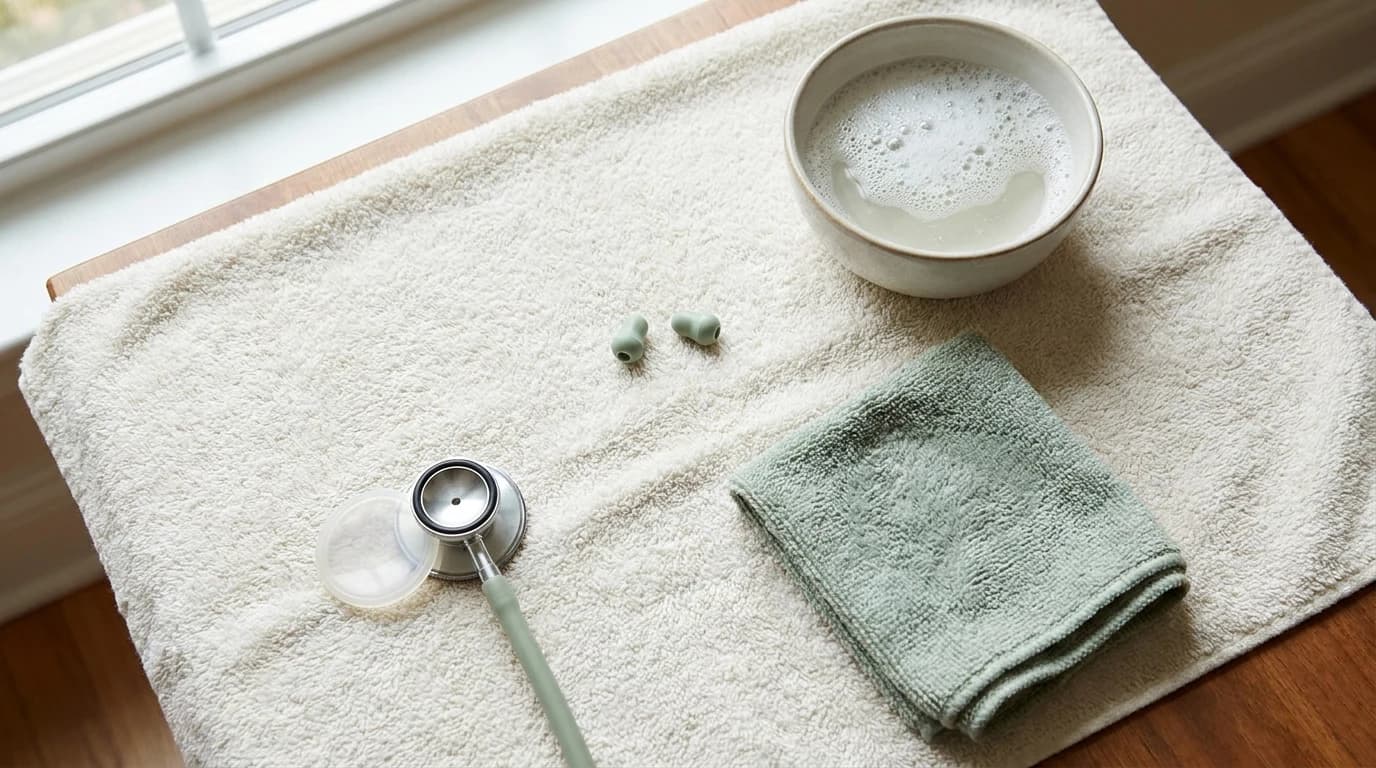
| Eartips | Daily, and whenever someone else has used it | Pull off, wipe with alcohol or soapy water, dry | Push back until they snap fully on |
| Tubing | End of shift | Soft cloth with mild soap, or an alcohol pad | Skin oil is what hardens and cracks it |
| Diaphragm rim and groove | Weekly, or when visibly soiled | Pinch and lift the diaphragm off, clean the groove | Dry every part before reassembly |
| Whole scope after isolation | Your unit's policy | Whatever infection prevention approves | Isolation rooms often stock a dedicated scope |
The unit wipe question
Many units stock their own disinfectant wipes, and the canister on the cart is closer than a prep pad. Those wipes are not on Littmann's list unless they are a 2% bleach solution. The CDC notes that federal law requires users to follow an EPA-registered disinfectant's label, and that includes its material-compatibility instructions.
The claim nobody can settle. Threads on r/nursing and r/Nurses repeatedly blame the purple-top and similar wipes for tubing that discoloured, stiffened or cracked. We could not find a published test of that, so we cannot tell you it is true. Ask infection prevention which product is approved for personal stethoscopes, and use the alcohol pad when in doubt.
What ruins a stethoscope faster than germs
Littmann's care page lists the slow killers. Each has a cheap fix.
- Hot car, cold car → a cool, dry drawer or the box it came in.
- Direct sunlight on the dash → anywhere out of the sun; continuous exposure hardens the tubing.
- Coiled tight in a pocket → loose in a stethoscope case.
- Bare tubing on your neck all shift → wear it over a collar; skin oils crack tubing over time.
- A rinse under the tap → a wipe only; Littmann lists loss of function from immersion as a reason to repair or replace.
Skip the antimicrobial cover
A silver-ion diaphragm cover sounds like a shortcut. A study summarized in the same review, covering 74 stethoscopes in an ICU and an emergency department, found the opposite of what the label implies.
| Diaphragm | Mean colonies |
|---|---|
| No cover | 71.4 |
| Cover used under a week | 246.5 |
| Cover used over a week | 335.6 |
One study is not proof, but it is enough reason not to pay for a cover instead of wiping.
If you are buying, not just cleaning
The scopes in our stethoscope comparison come from the three makers above, so their care rules apply. The Littmann Classic III Monitoring Stethoscope (5620) has removable tunabletunable diaphragmA single-sided chestpiece that behaves like a bell under light pressure and like a diaphragm under firm pressure, so you change register by changing how hard you press instead of flipping the head. It is the defining feature of most modern cardiology-class stethoscopes. diaphragms and eartips; the ADC Adscope 619 Ultra-Lite Clinician Stethoscope follows ADC's soap-then-alcohol rule; the MDF MD One Stainless Steel Dual Head Stethoscope takes MDF's alcohol wipe before each use. If yours sounds muffled after reassembly, check the eartips point forward and the diaphragm is seated, as our bell vs diaphragm explainer walks through.
| Method | Littmann | ADC | MDF |
|---|---|---|---|
| 70% isopropyl alcohol | Approved for all models | Approved, for low-level disinfection | Isopropyl alcohol solution, before each use |
| Mild soap and water | Approved | Approved for dirt, then dry thoroughly | Not stated on its care page |
| 2% bleach solution | Approved, may discolour tubing | Not stated | Not stated |
| Hand sanitizer | Not recommended: additives may damage the tubing | Not stated | Not stated |
| Immersion in liquid | Never rinse, soak or immerse | Avoid | Avoid prolonged moisture on the tubing |
| Sterilization | No sterilization process of any kind | No steam; low-temperature gas only | Not stated |
| Removable parts | Tunable diaphragms, bell sleeves and eartips | Eartips | Not stated on its care page |
Products discussed in this article
Every item named above, with the NurseComforts Score and the price we last recorded. Prices at the affiliate retailers we link change constantly.
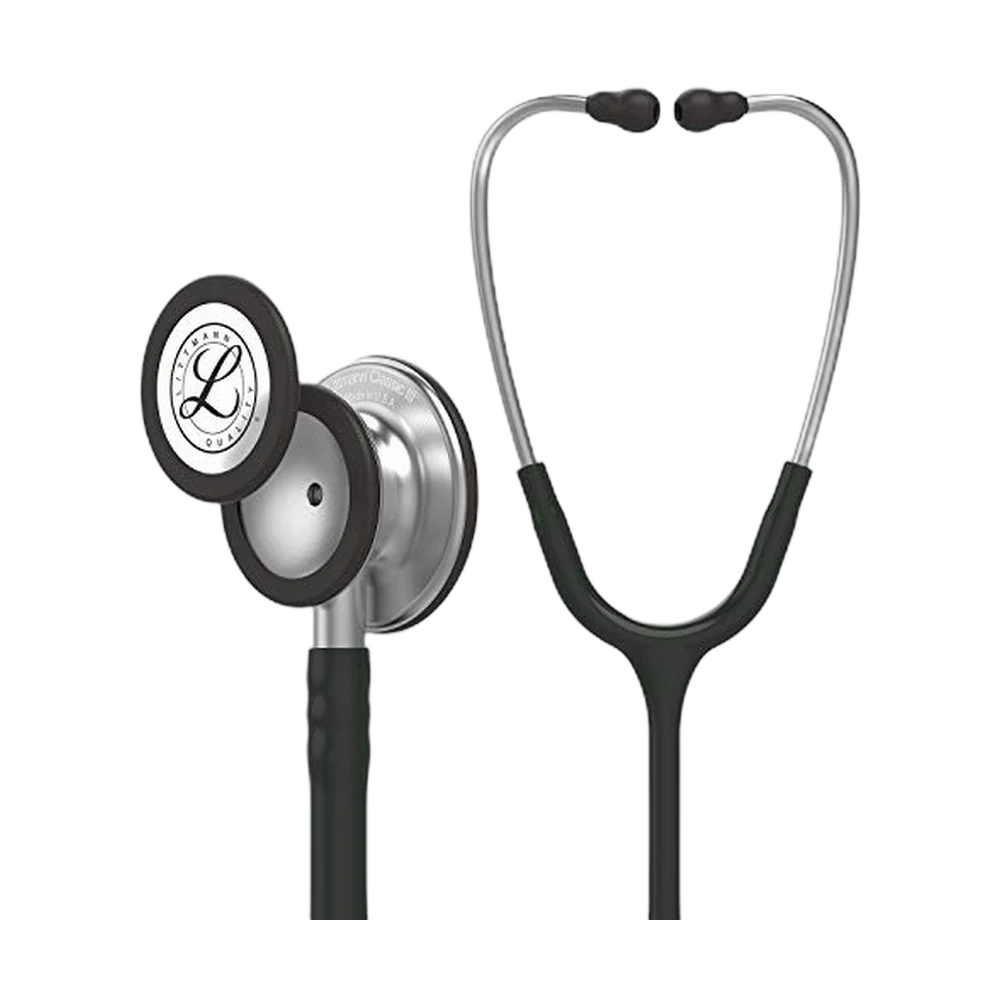
Littmann Classic III Monitoring Stethoscope (5620)
86 · Score$98.99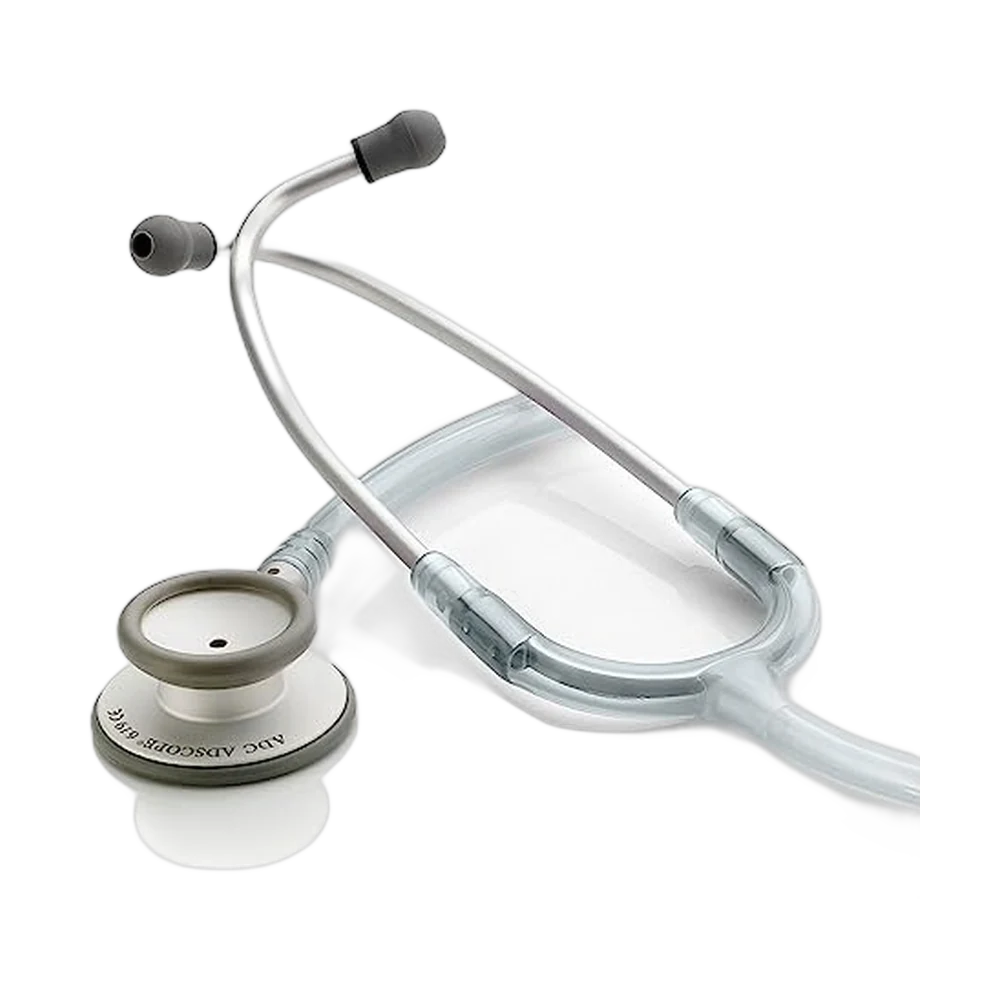
ADC Adscope 619 Ultra-Lite Clinician Stethoscope
85 · Score$32.29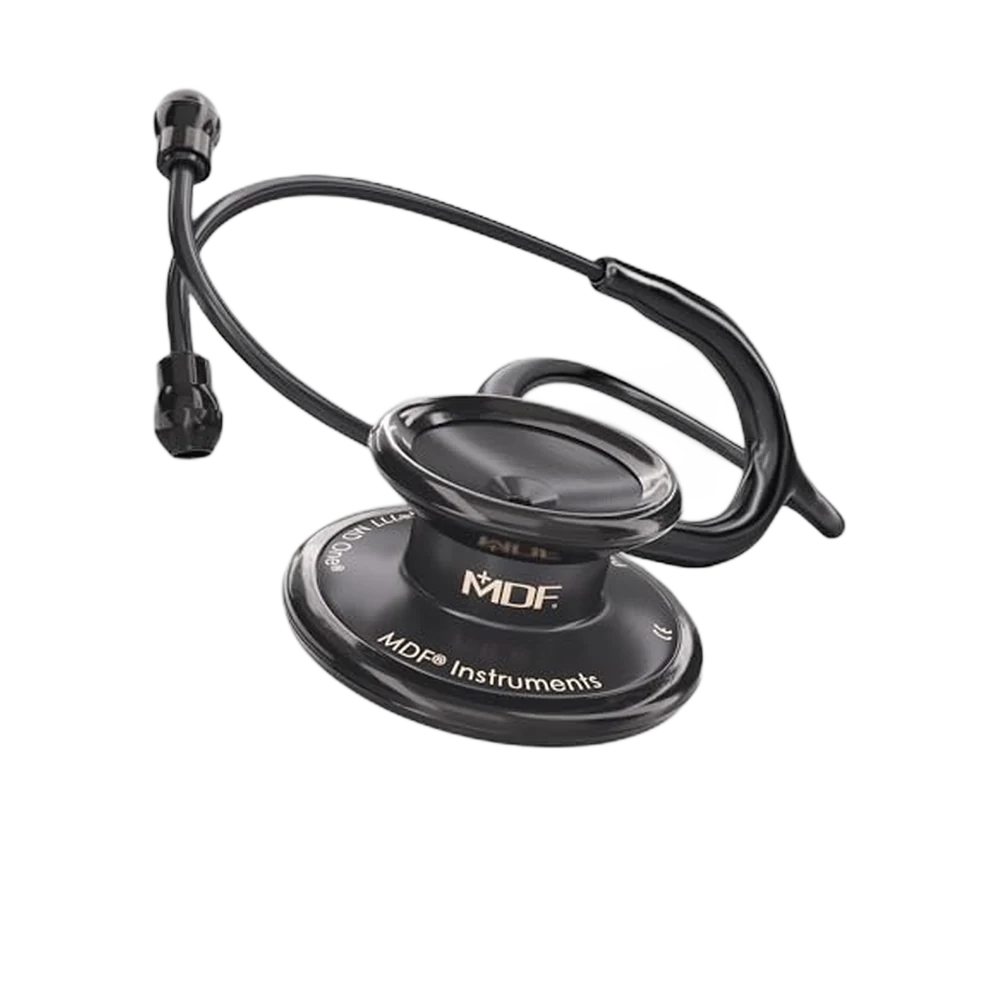
MDF MD One Stainless Steel Dual Head Stethoscope
80 · Score$49.99
Your next step
Cleaning sorted? If the scope itself is due for replacing, these compare the picks and the cases that keep the tubing out of a pocket.
Common questions
Can I clean my stethoscope with alcohol wipes?
Can I use hand sanitizer to clean a stethoscope?
How often should you clean a stethoscope?
Can I use the unit's disinfectant wipes on my stethoscope?
Can you put a stethoscope in water or an autoclave?
How do I clean the eartips?
Why is my stethoscope tubing sticky or cracked?
Research Sources
- Stethoscope Cleaning and Care - approved solutions, no hand sanitizer, no immersion or sterilization | Littmann
- Stethoscope Care and Maintenance | American Diagnostic Corporation (ADC)
- Safety and Performance Information for MDF Stethoscopes - general cleaning and care | MDF Instruments
- Methods of Disinfecting Stethoscopes: Systematic Review | International Journal of Environmental Research and Public Health, 2020
- Contamination of stethoscopes and physicians' hands after a physical examination | Mayo Clinic Proceedings, 2014
- Stethoscopes or Maybe "Bacterioscopes" - Is Hand Hygiene Solely Capable of Preventing Hospital-Associated Infections? | Polish Journal of Microbiology, 2023
- A Rational Approach to Disinfection and Sterilization - critical, semicritical and noncritical items | CDC