Our #1 Pick
The default nurse watch, and it earns the spot on dial logic alone: a highly visible red second hand for pulse counting, 24-hour numerals printed inside the 12-hour track for military-time charting, and luminous hour and minute hands for a dim hallway. Speidel rates the 38mm case to 50m and puts it on a soft silicone band, so foaming in and wiping down between rooms costs you nothing. The tradeoff is that it is a plain three-hand quartz watch with no timer, no backlight and no notifications.
Key takeaways
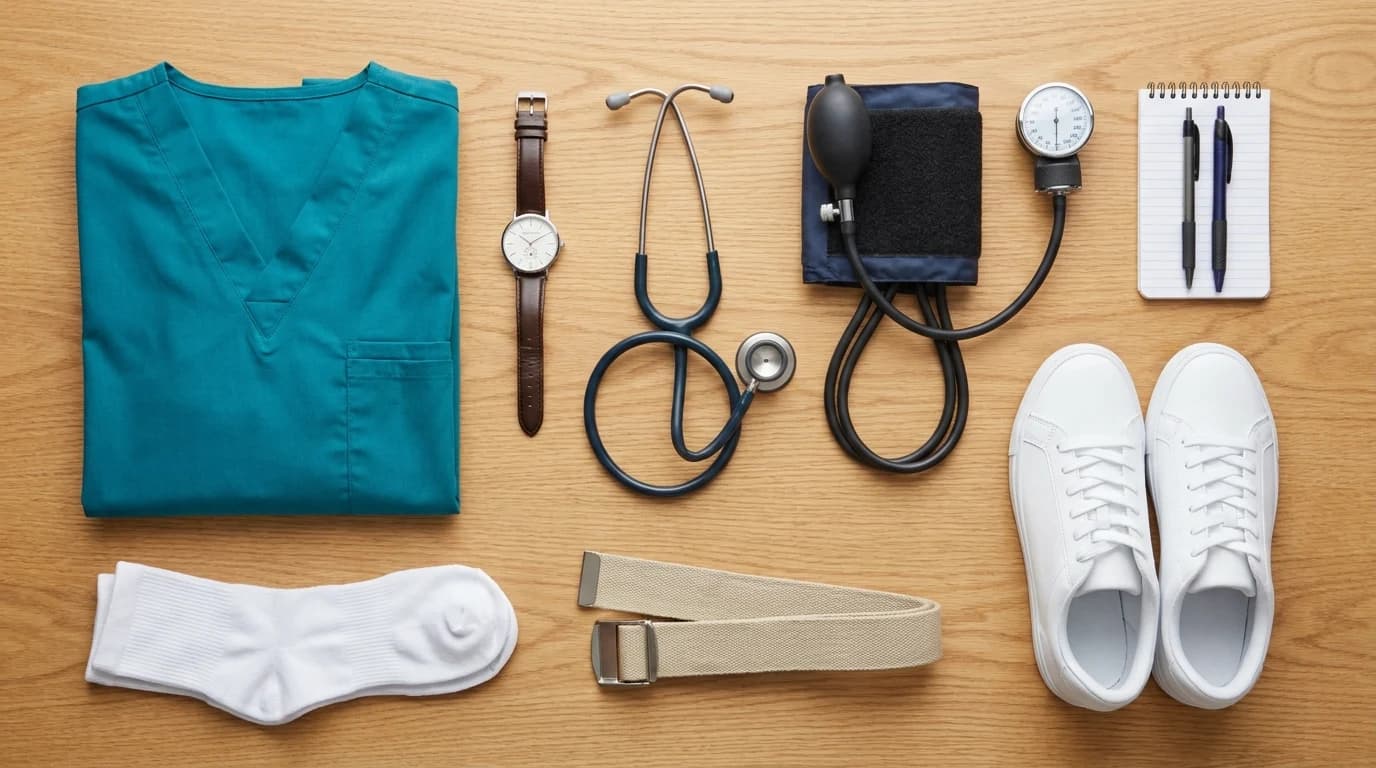
- The core CNA clinical kit is scrubs, closed-toe non-slip shoes, an analog watch with a second hand, a gait belt, and pens with a pocket notebook.
- A second hand matters because the NNAAP skills list has you count pulse and respirations for a full minute.
- Buy a stethoscope and manual cuff only if your program lists them or your state tests manual blood pressure.
- Read your program's supply list first. Some programs include scrubs or a vitals kit in tuition.
- Shoes are the biggest single purchase. Penlights, shears and big organiser bags can wait for your first job.
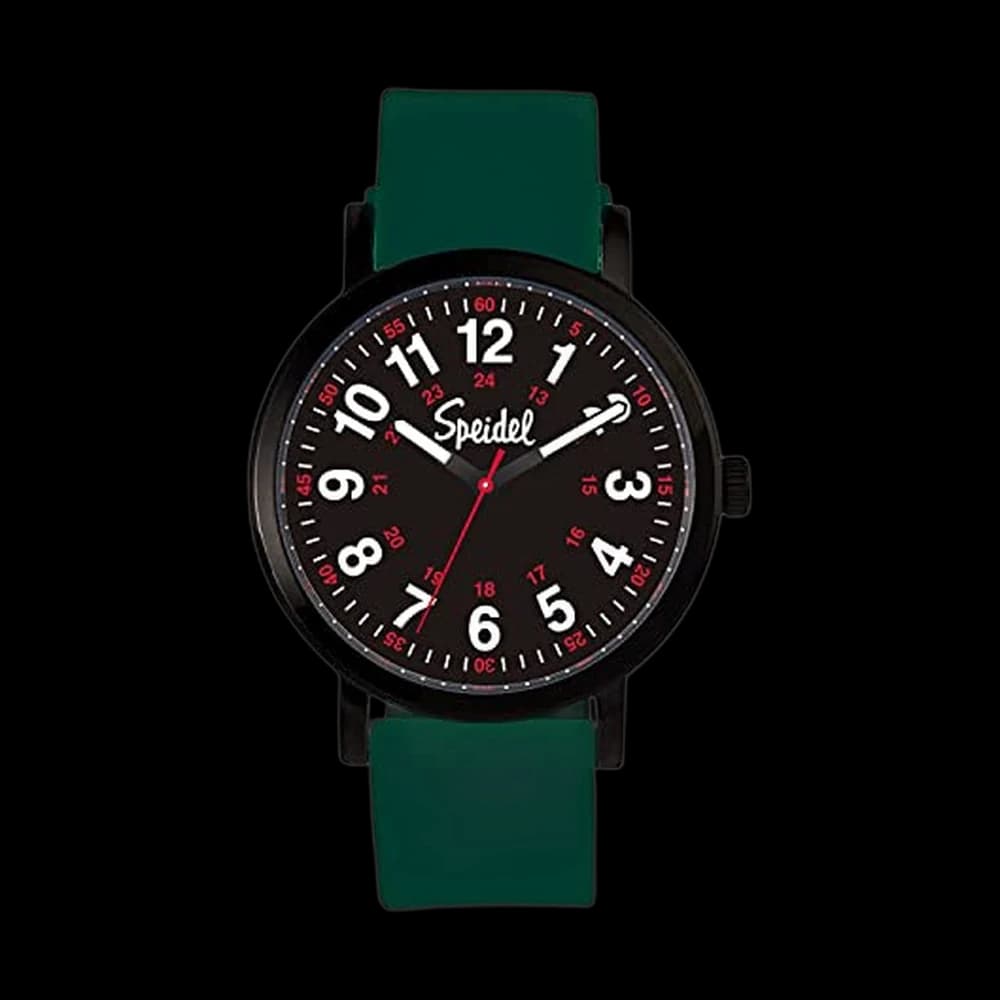
Speidel Original Scrub Watch
- Red sweep second hand makes a 15-second pulse count a glance rather than a squint
- 12- and 24-hour markers on one white dial, so military-time charting needs no mental conversion
- 100% silicone band and stainless case back wipe clean and tolerate repeated hand hygiene
The one item every CNA supply list includes, because the skills exam has you count pulse and respirations for a full minute. A red second hand you can read at a glance, 24-hour numerals and a band you can wipe between residents.
Side-by-side comparison
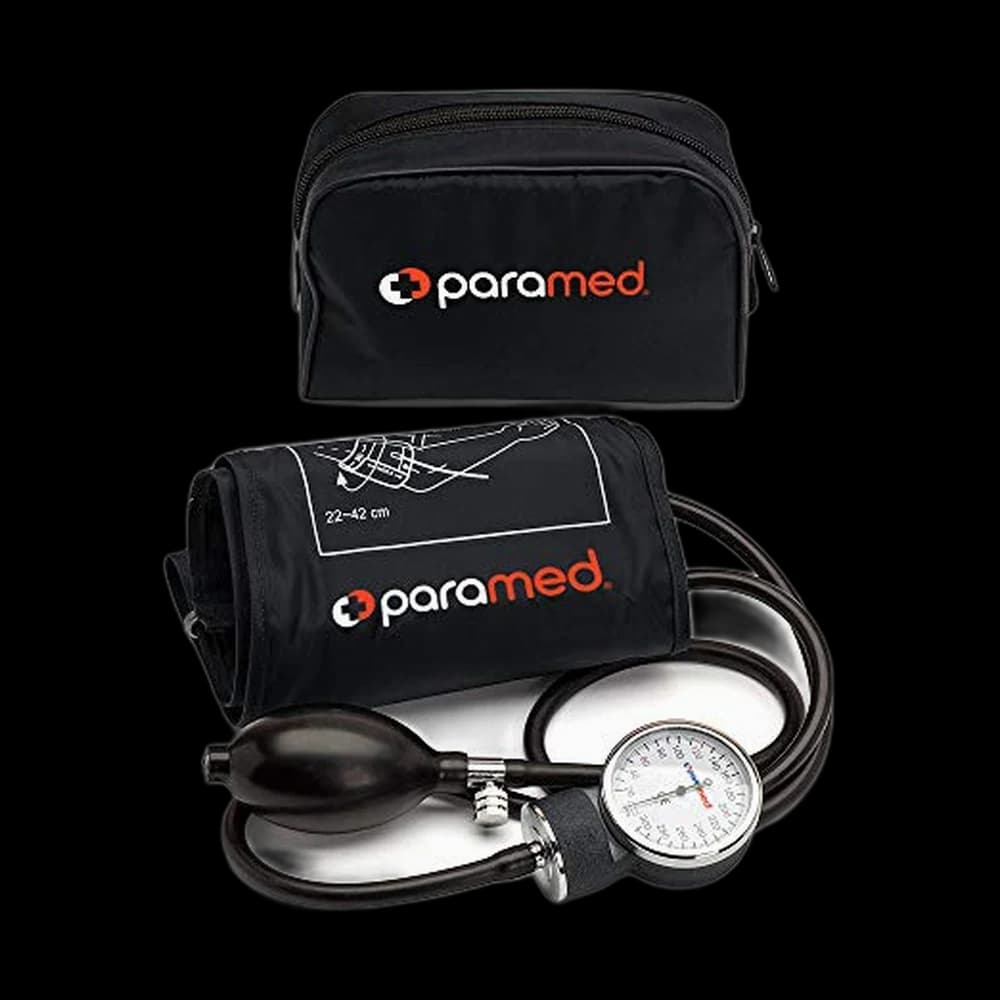
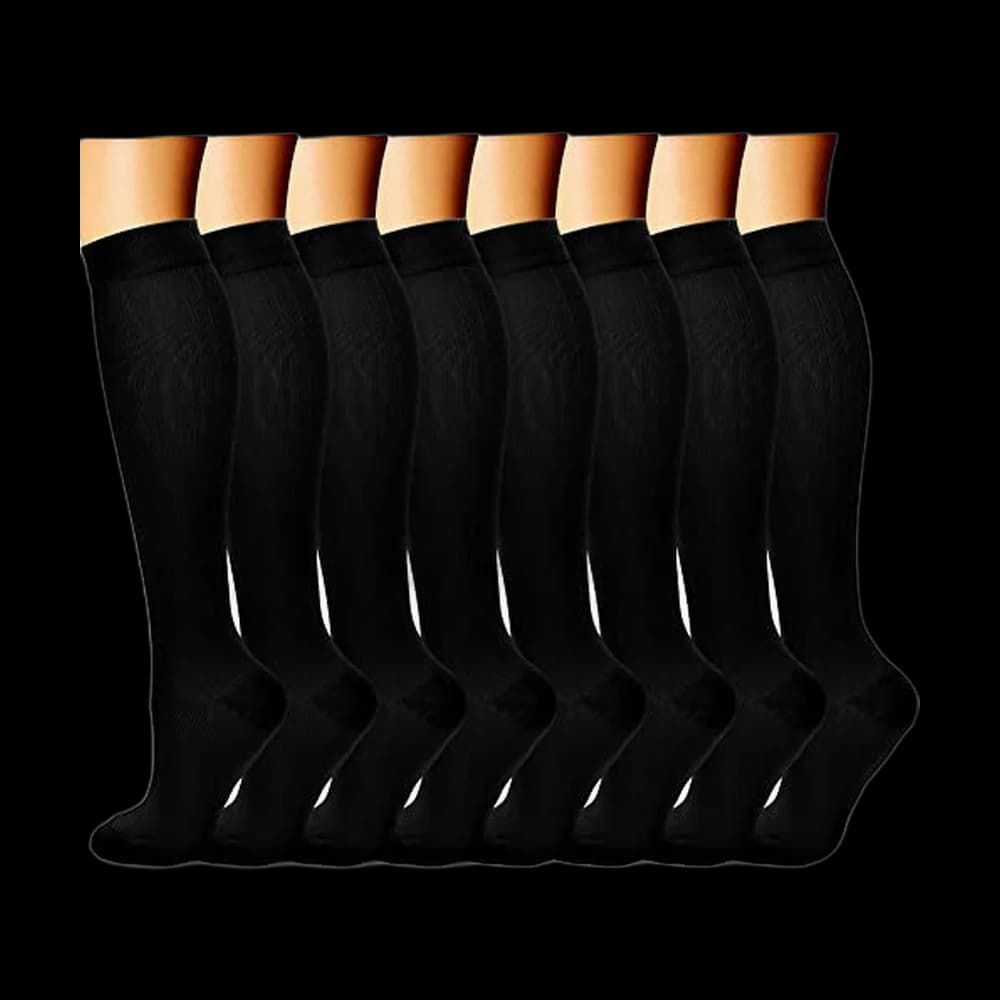
#1Speidel Original Scrub Watch Owner rating4.4(1,289) | #2COW&COW Transfer and Gait Belt with Metal Buckle Owner rating4.8(11,744) | #3Casio LRW200H Analog Sport Watch Owner rating4.4(1,313) | #4Littmann Lightweight II S.E. Stethoscope (2450) Owner rating4.7(26,731) | #5PARAMED Aneroid Sphygmomanometer Kit Owner rating4.5(25,181) | #6CHARMKING Compression Socks, 8 Pairs Owner rating4.5(90,077) | |
|---|---|---|---|---|---|---|
|  |  |  |  |  | |
| NurseComforts Score | ||||||
| Verdict | The watch for counting pulse and respirations: a red second hand you can read at a glance and a band you can wipe. | The plain metal-buckle gait belt that CNA supply lists ask for. | The cheapest honest second hand: a sweep hand, a 100 m rating and a band that rinses clean. | The light Littmann built for exactly the CNA job: manual pressures and routine vitals. | The cheap way to practise manual blood pressure at home before the skills exam. | Eight pairs of 15-20 mmHg knee-highs: a cheap way to find out whether compression helps on long clinical days. |
| Price | ~$40.00Buy on Amazon Price checked Oct 10 | ~$7.90Buy on Amazon Price checked Oct 10 | ~$32.99Buy on Amazon Price checked Oct 10 | ~$54.99Buy on Amazon Price checked Oct 10 | ~$23.95Buy on Amazon Price checked Oct 10 | ~$19.99Buy on Amazon Price checked Oct 10 |
| Why a CNA needs it | Counting pulse and respirations for a full minute | The walking and transfer skills use a belt at the waist | Counting pulse and respirations for a full minute | Manual blood pressure, if your program or state tests it | Practising manual blood pressure at home | Long days of standing and walking |
| Key spec | Red second hand, 24-hour numerals, 50 m water rating (Speidel) | Metal buckle, 2 in cotton webbing, 60 in | Sweep second hand, 100 m water rating, resin band | 118 g, teardrop chestpiece that slides under a cuff (Littmann) | Universal 22-42 cm cuff with D-ring; stethoscope not included | 8 pairs, 15-20 mmHg knee-high (CHARMKING) |
| Skip it if | You already own an analog watch with a readable second hand | Your program supplies a belt or names another type | You want printed 24-hour numerals for military time | Your program supplies one or does not list it | Your state tests electronic blood pressure and your program supplies a cuff | You have a circulatory condition and have not asked your clinician |
| Buyer sentiment | Appearance Readability Value for money Suitability For Nursing Reliability Buyers praise appearance, readability, value for money and suitability for nursing. Mixed feedback on durability. Some flag reliability. Based on 337 user mentions | Effectiveness Stability Basic Secure Fit Buyers praise effectiveness, stability, basic and secure fit. Mixed feedback on length. Based on 932 user mentions | Quality Appearance Value for money Versatility Size Buyers praise quality, appearance, value for money and versatility. Mixed feedback on readability. Some flag size. Based on 123 user mentions | Quality Weight Functionality Suitability Buyers praise quality, weight, functionality and suitability. Mixed feedback on sound quality and color. Based on 6,528 user mentions | Quality Functionality Ease Of Use Value for money Durability Buyers praise quality, functionality, ease of use and value for money. Some flag durability. Based on 7,680 user mentions | Quality Comfort Functionality Appearance Buyers praise quality, comfort, functionality and appearance. Mixed feedback on fit and compression. Based on 26,302 user mentions |
| Pros |
|
|
|
|
|
|
| Cons |
|
|
|
|
|
|
* Prices are approximate. Click Buy to see current pricing on Amazon.
For CNA clinicals you need five things: scrubs in your program's colour, closed-toe non-slip shoes, an analog watch with a second hand, a gait belt, and pens with a pocket notebook. Add a stethoscope and a manual blood pressure cuff only if your program's supply list or your state's skills exam calls for them. Everything else can wait until you know your facility.
That list is not a guess. The College of Western Idaho's CNA course, as one published example, requires its program scrubs, closed-toe waterproof shoes, a gait belt with a metal buckle, a blood pressure cuff, an analog watch with a second hand and a stethoscope. The NNAAP skills list published by Credentia, used for the nurse aide skills exam in a number of states, shows why each item is there: you count a radial pulse and respirations for one full minute, you help a resident walk and transfer using a transfer belt, and blood pressure is tested as a state-specific skill, manual with a stethoscope in some states and electronic in others.
Your own program's list is the one that counts. Read it before you spend anything, because some programs build scrubs or a vitals kit into tuition.
The list
1. Speidel Original Scrub Watch — the item every list includes
Check price on Amazon →Counting a pulse or respirations for a full minute needs a second hand you can read at a glance, and programs that specify a watch tend to say analog, as College of Western Idaho's list does. The Speidel is the default nurse watch for that job: a red second hand, 24-hour numerals for military time, a silicone band you can wipe, and a 50 m water rating per Speidel. Around $40.
2. COW&COW Transfer and Gait Belt with Metal Buckle — the belt your program lists
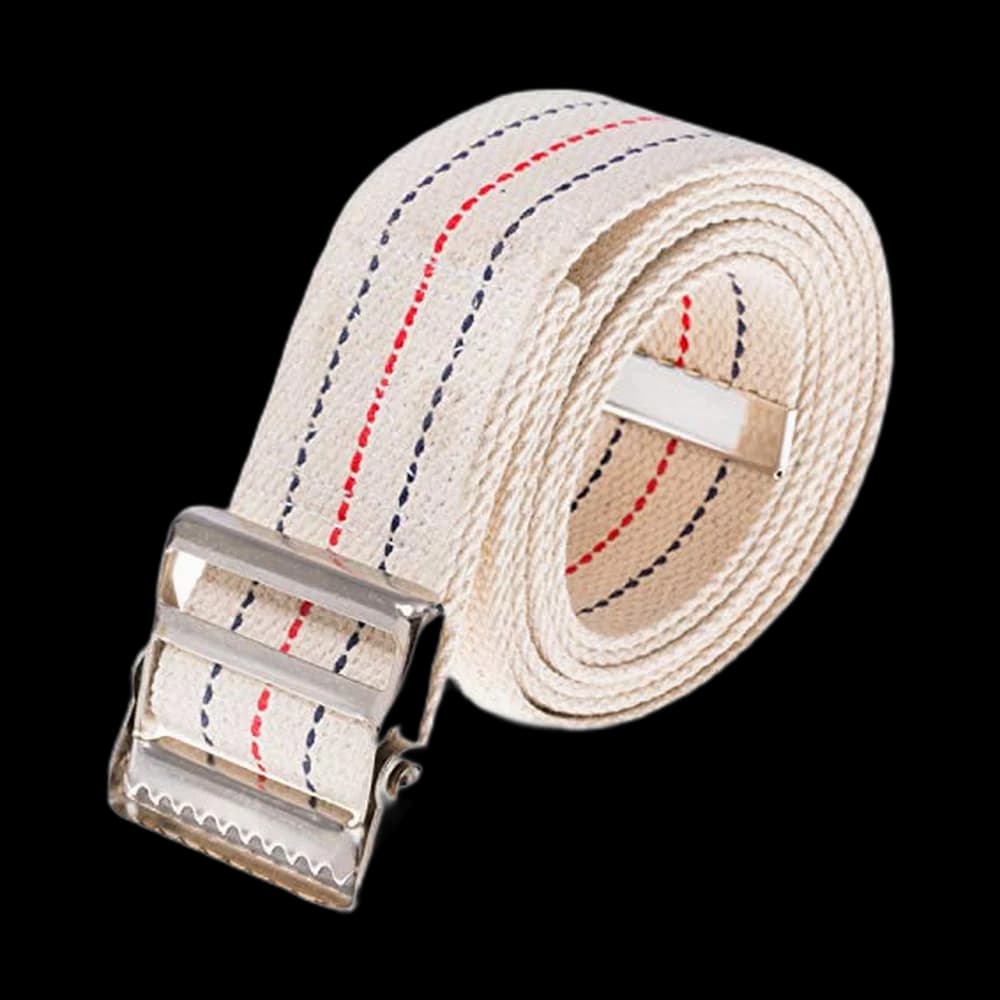
Check price on Amazon →Programs often require your own belt. College of Western Idaho's list asks for a gait belt with a metal buckle, and on the NNAAP skills list the walking and transfer skills start with putting the belt on securely at the waist. This is that plain format: 2 inch cotton webbing, a nickel-chrome plated steel buckle, 60 inches long and machine washable, for under $10. Practise threading the buckle before skills day, and label the belt if you will carry it to work.
3. Casio LRW200H Analog Sport Watch — the cheaper second hand
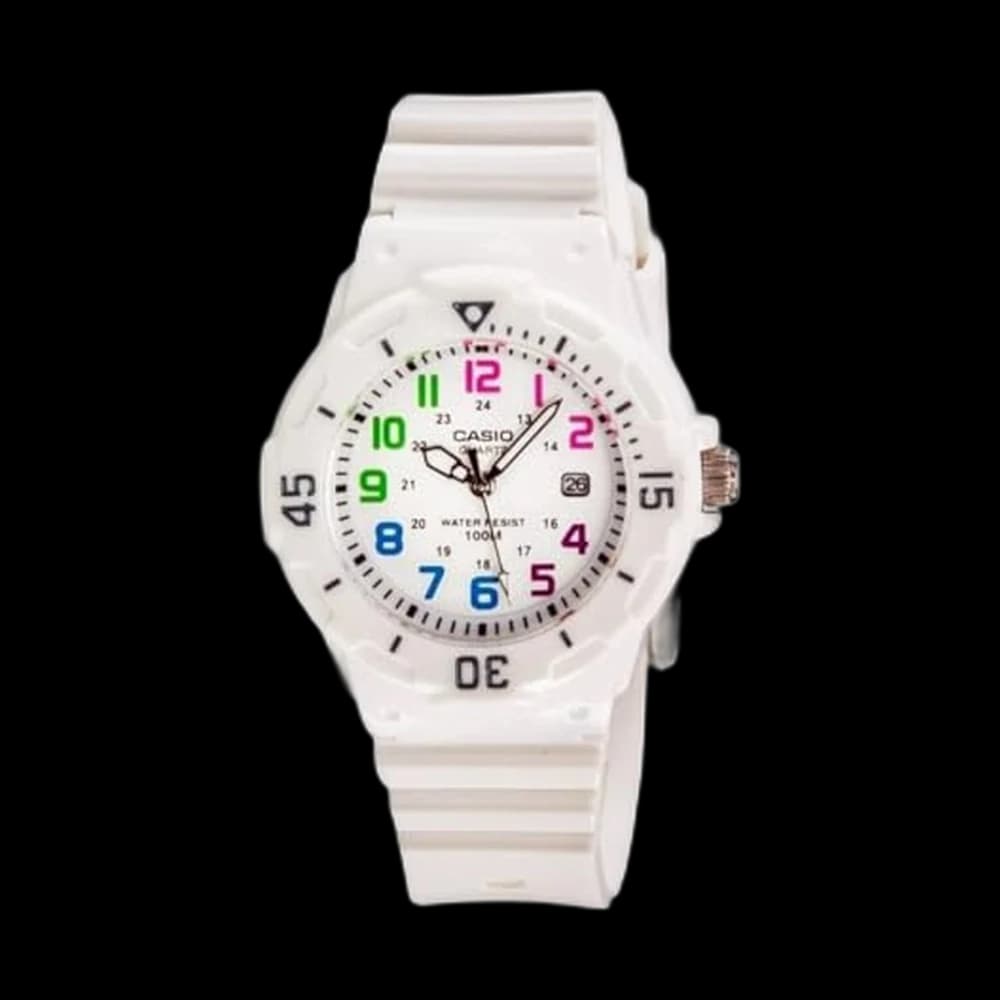
Check price on Amazon →If money is tight, this Casio does the one job that matters, with a sweep second hand, a 100 m water rating and a resin band that rinses clean. It lacks the Speidel's printed 24-hour numerals. Around $33.
4. Littmann Lightweight II S.E. Stethoscope (2450) — if your program requires one
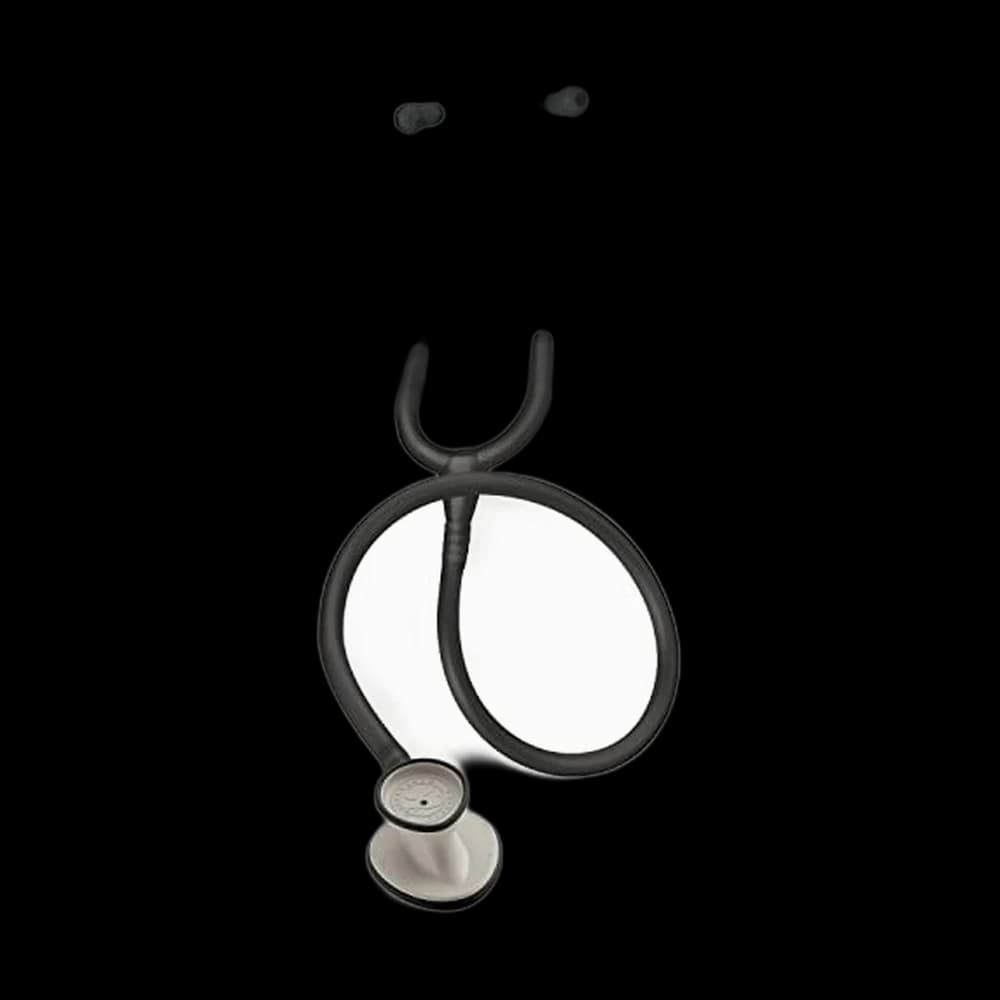
Check price on Amazon →Not every CNA program asks you to bring a stethoscope, and plenty of CNAs say their facility takes vitals on a machine. But if your program lists one, or your state tests manual blood pressure, you want your own rather than a shared one you have to wipe before every use. Littmann states this is its lightest adult stethoscope at 118 g, with a teardrop chestpiece shaped to slide under a blood pressure cuff, which is exactly the CNA use. Around $55. Our student stethoscope guide compares cheaper options.
5. PARAMED Aneroid Sphygmomanometer Kit — for practising manual blood pressure
Check price on Amazon →Manual blood pressure is the skill most students practise at home, and a cheap aneroidaneroidA mechanical blood-pressure gauge that uses a bellows and needle rather than a mercury column or an electronic sensor. Aneroid units drift out of calibration if dropped and are meant to be checked periodically against a reference; manufacturers state a tolerance, commonly plus or minus 3 mmHg, as a claim about a properly calibrated unit. kit makes that possible. This one has a universal 22 to 42 cm cuff with a D-ring for measuring yourself and a large dial. The stethoscope is not included, whatever some listings imply. Around $24. If your program supplies a cuff, skip it; our blood pressure cuff guide covers better-built options.
6. CHARMKING Compression Socks, 8 Pairs — for the legs
Check price on Amazon →Clinical days are long stretches of standing and walking, often for students who have never worked a long shift. Eight pairs of 15-20 mmHgmmHgMillimeters of mercury, the pressure unit used to rate compression socks and blood-pressure readings. Compression hosiery is sold in bands - commonly 8-15, 15-20, 20-30 and 30-40 mmHg - and the number describes pressure at the ankle, not an average over the whole leg. knee-highs for around $20 is a cheap way to find out whether compression helps you. If you have a circulatory condition, ask your clinician before wearing compression.
The rest of the list
Scrubs. Two or three sets in your program's colour, which programs and facilities specify, so check before you buy. A spare set in your bag or car is the advice working CNAs give most often, for reasons you will understand on your first day. Our women's scrubs and men's scrubs guides cover fit and fabric.
Shoes. Closed-toe, with an outsole that grips a wet floor and ideally an upper that wipes clean. This is the most important purchase on the list and the one worth spending on. Start with best shoes for CNAs, which picks for transfers, shower days and budget; best shoes for nurses covers slip ratings and wipeable uppers in more depth.
A gait belt. Covered above. CNAs also recommend owning one on the job, because facilities do not always provide them. If your facility only allows belts that can be wiped between residents, our gait belt comparison includes a wipe-clean option and a handled belt.
Pens and a pocket notebook. Several black pens, because they disappear, and a notebook small enough for a scrub pocket for vitals and report.
What the skills exam actually checks
Knowing what the evaluator looks for tells you which tools matter. On the NNAAP skills list, your radial pulse count has to land within plus or minus 4 beats of the evaluator's, and your respiration count within plus or minus 2 breaths, each counted for a full minute. That is why a second hand you can read without thinking is worth more than any gadget. The manual blood pressure skill starts with wiping the stethoscope's bellbell vs diaphragmThe two faces of a traditional dual-head chestpiece. The large flat diaphragm favours higher-frequency sounds; the smaller cup-shaped bell, used with light skin contact, favours lower-frequency ones. Which you reach for depends on what you are listening to., diaphragm and earpieces with alcohol, and the transfer and walking skills include putting the belt on securely at the waist before the resident stands. Practise each with the equipment you will use on the day.
Your first-day bag
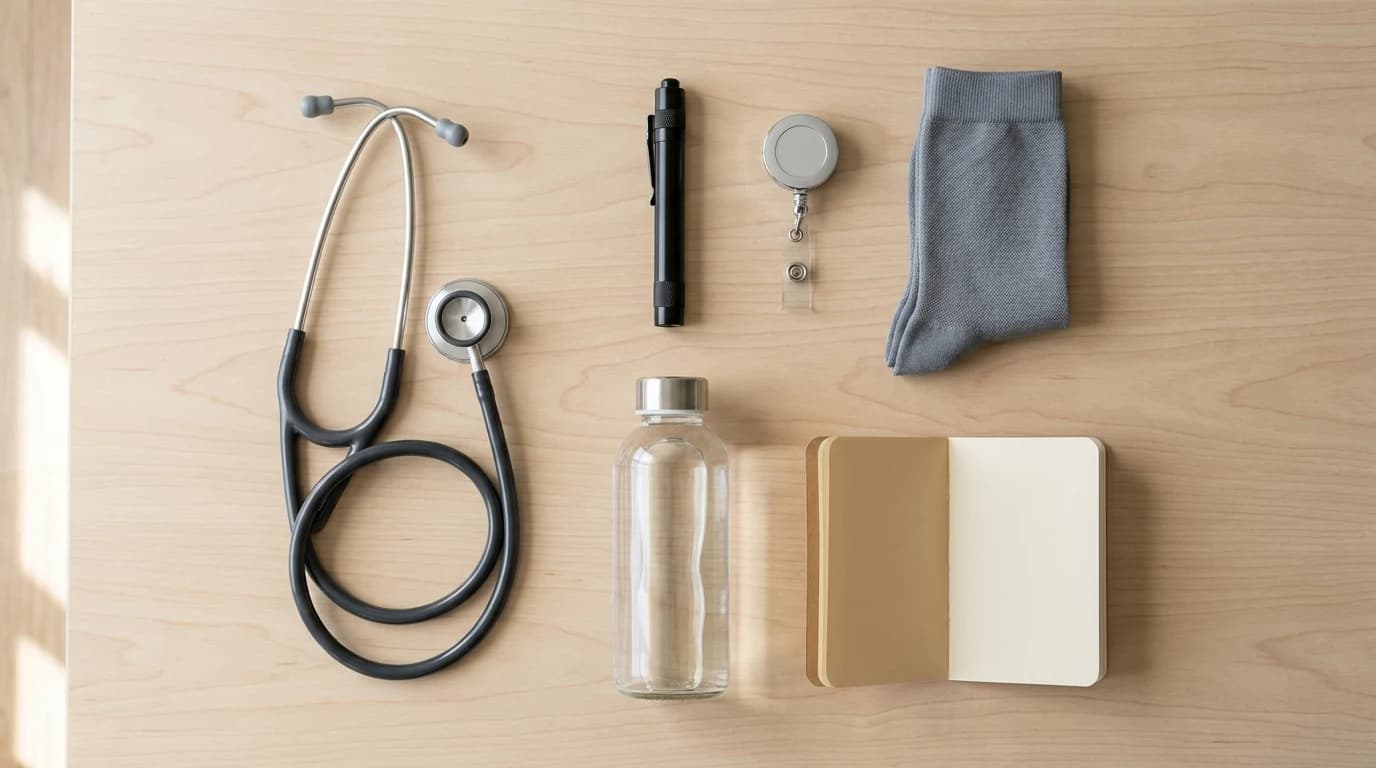
Working CNAs are consistent about what goes in the bag rather than the pockets: a spare set of scrubs and socks, a water bottle, a lunch and snacks you will actually eat, hand lotion for skin that is washed and sanitised all day, and hair ties if you need them. A small backpack or tote is plenty.
What can wait
A penlight, trauma shears, a badge reelbadge reelA spring-loaded retractable holder that clips an ID badge to clothing and pulls out on a cord for scanning. The three failure points owners report are the cord (frays or snaps), the clip (slips off a scrub waistband) and the spring (stops retracting). Steel-cord and swivel-clip versions address the first two. and a clipboard are useful on many units but rarely required on a CNA course, so buy them in your first job once you know the facility. A big organiser bag is the other common overbuy, because most of what you carry goes in your pockets. A lunch bag and a water bottle are the exceptions. For the fuller nursing kit, see our nurse essentials list.
Before you buy anything
Read your program's supply list and dress code, check whether tuition already covers scrubs or a vitals kit, and find out whether your state tests manual or electronic blood pressure. Then buy the watch and the shoes first, because you will use both every shift.
Cheaper alternative
Speidel Original Scrub Watch ($40.00) is our #1 pick here. If that is more than you want to spend, this is a cheaper option in the same category — our researched verdict on it is below.
Casio LRW200H Analog Sport Watch
The cheapest honest analog on this list: a real sweep second hand, a date window, a mineral crystal and a 100m water rating in a 33mm resin case, for well under the price of a purpose-built scrub watch. The molded resin band shrugs off alcohol gel and rinses clean, and there is nothing on it to trap grime. What you give up is the printed 24-hour track - the dial carries small 24-hour indices rather than the full inner numerals a Speidel gives you.