Quick Answer
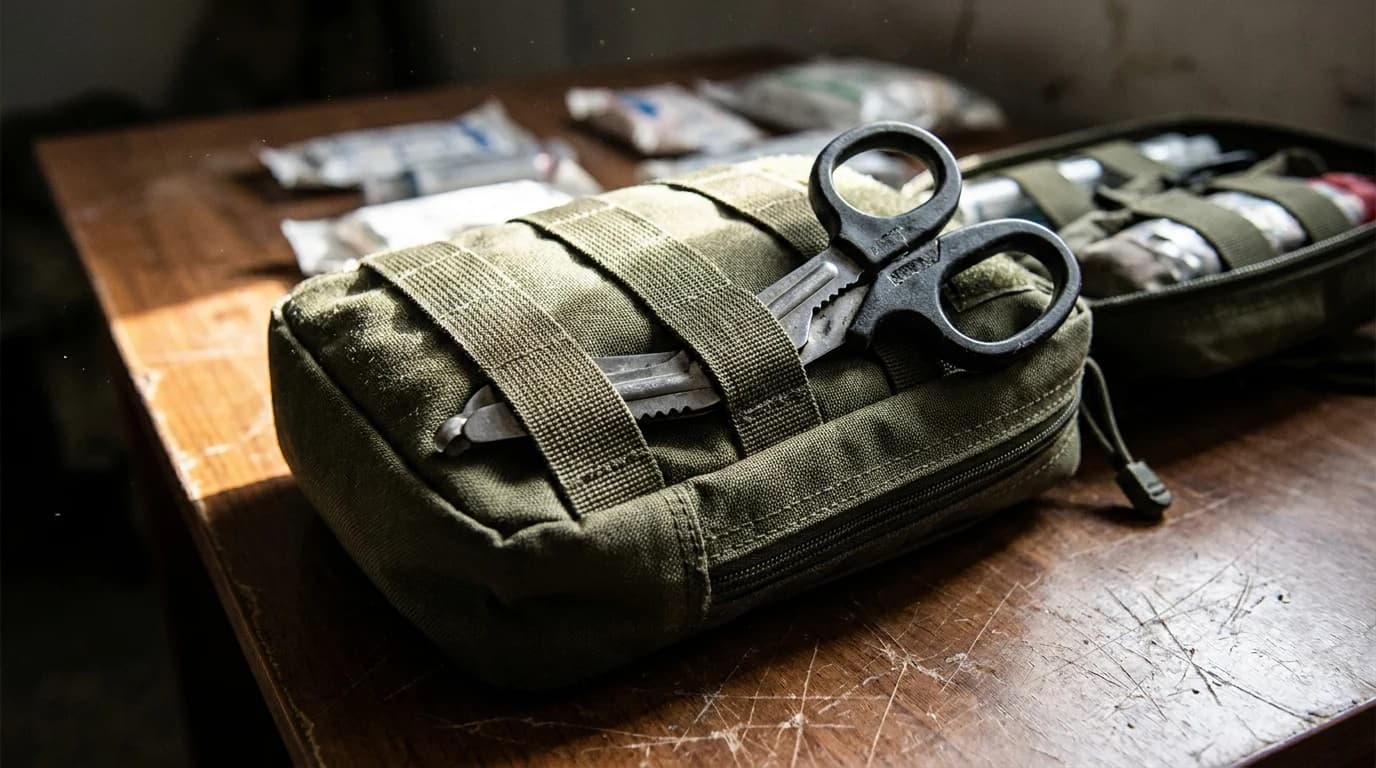
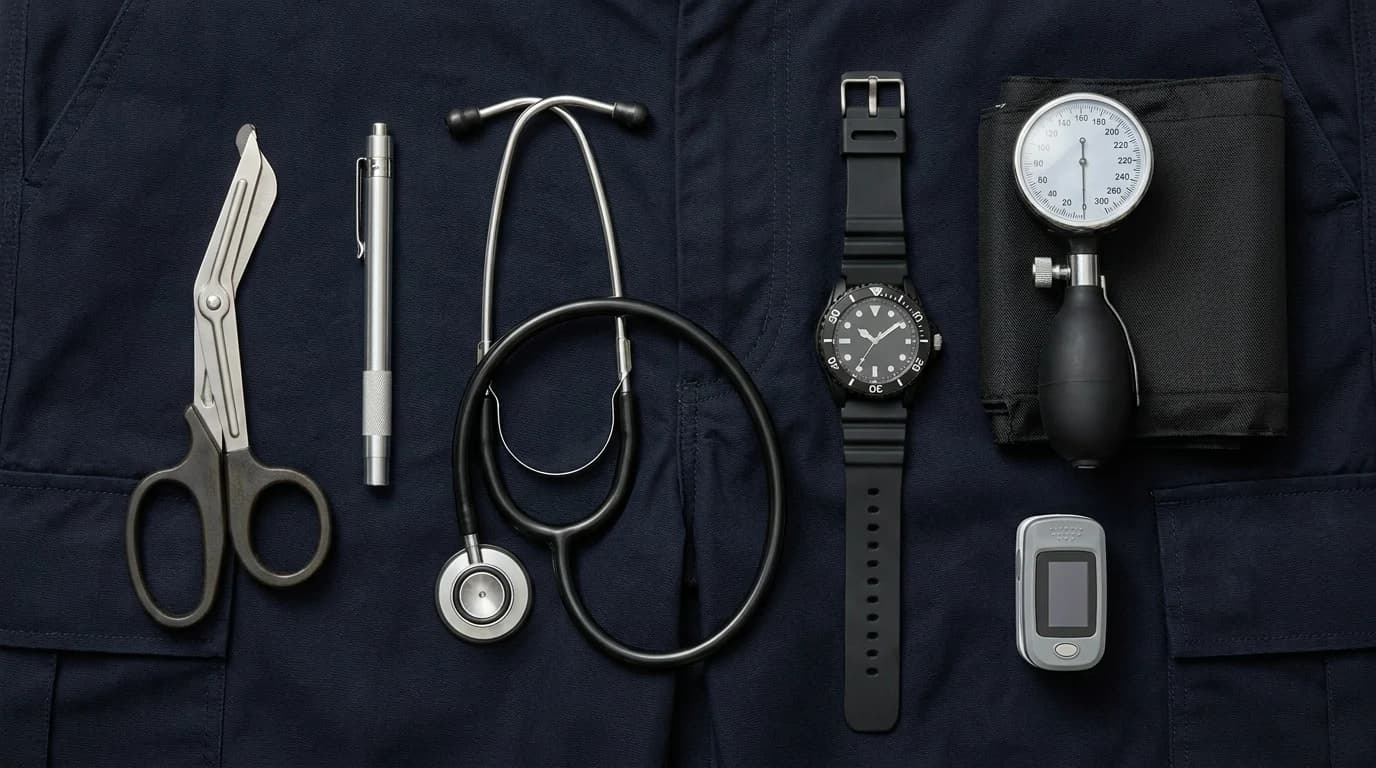
Most of what an EMT uses lives on the rig, so the personal kit is short: trauma shears, a penlight, a stethoscope and a watch with a second hand, plus gloves in a pocket. Buy the Leatherman Raptor Rescue if you want one pair of shears with a strap cutter, ring cutter and glass breaker; buy a cheap two-pack instead if shears vanish on your service. A personal BP cuff and pulse oximeter are worth owning mainly for event and standby work, where the kit you are handed may not be yours.
Leatherman Raptor Rescue$79.95
Buy on Amazon · $79.95Madison Supply 7.5 in, 2-Pack$8.99
Buy on Amazon · $8.99Nitecore MT06MD High-CRI$29.95
Buy on Amazon · $29.95Key takeaways
- The ambulance carries the monitor, oxygen and jump bag. Your personal kit is shears, a penlight, a stethoscope, a watch and gloves.
- The Leatherman Raptor Rescue suits field work because its strap cutter, ring cutter and glass breaker are tools EMS actually uses.
- Shears and penlights get lost on scene constantly, so a cheap spare pair in a second pocket is normal EMS practice.
- A personal BP cuff and pulse oximeter earn their place at events and standbys. On an ALS unit the monitor already reads SpO2.
- We do not list duty boots. They matter more in EMS than in any hospital job, and the qualities to look for are covered below.
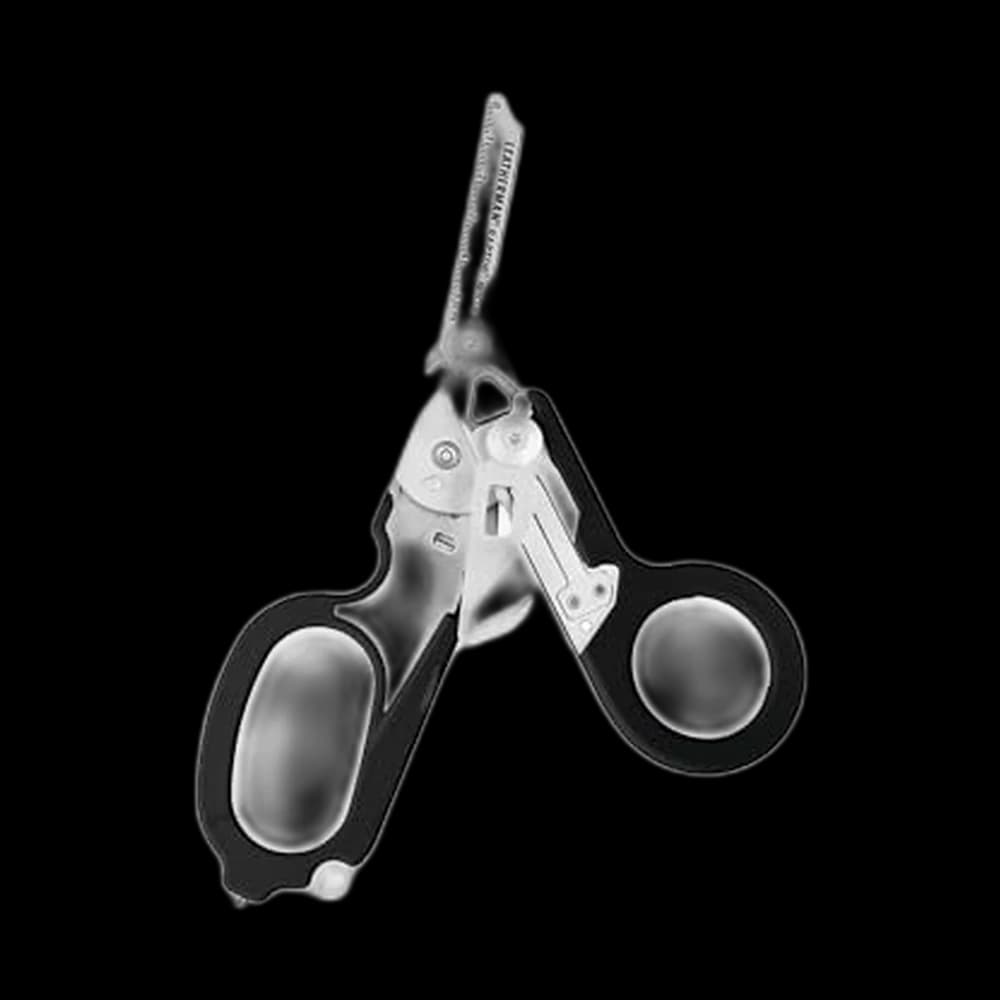
Leatherman Raptor Rescue 6-in-1 Shears
- Six tools in one folding body, including a carbide glass breaker and strap cutter
- Leatherman states a utility holster is included, and the shears lock when holstered for upside-down belt carry
- 420HC stainless shears with the same lock-open action as the Response
Shears are the one personal tool every EMT uses on almost every call, and the Raptor Rescue adds the field tools a hospital nurse never needs: a strap cutter, ring cutter, glass breaker and oxygen wrench, in a holster that keeps them where your hand expects them.
Side-by-side comparison
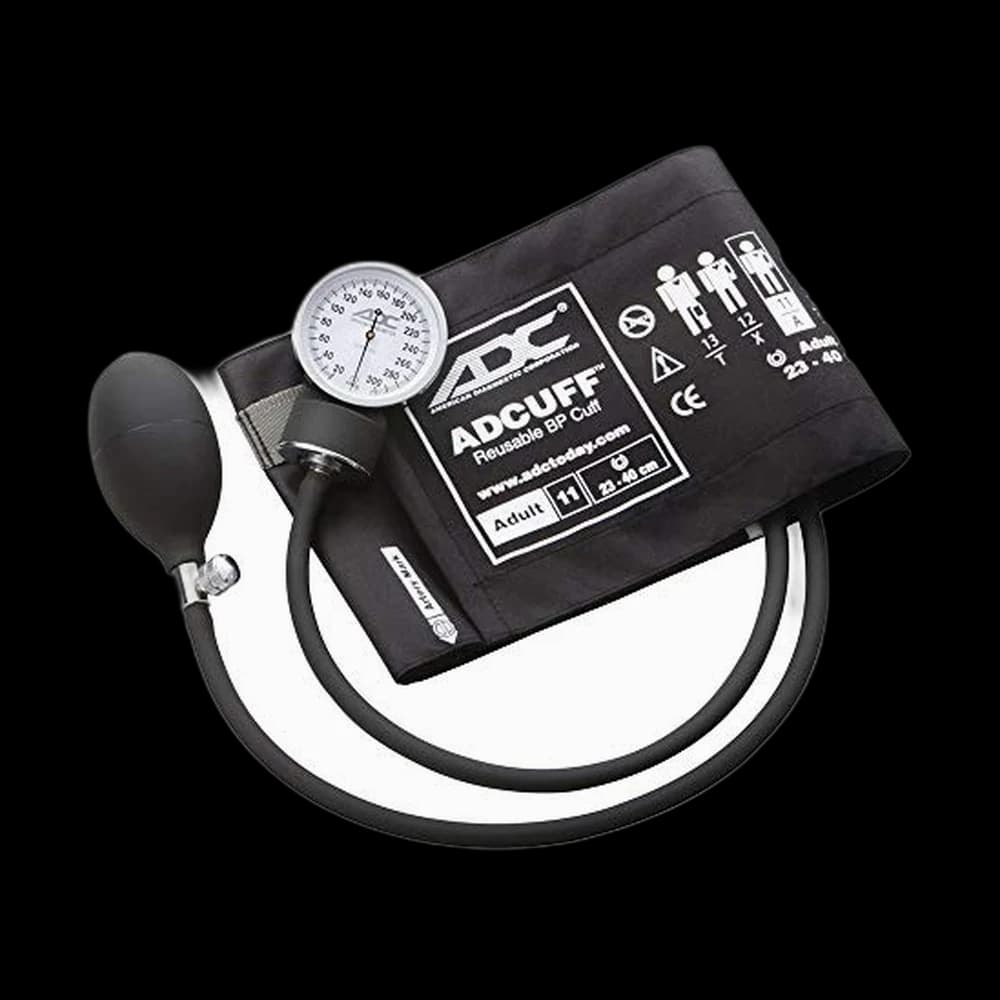
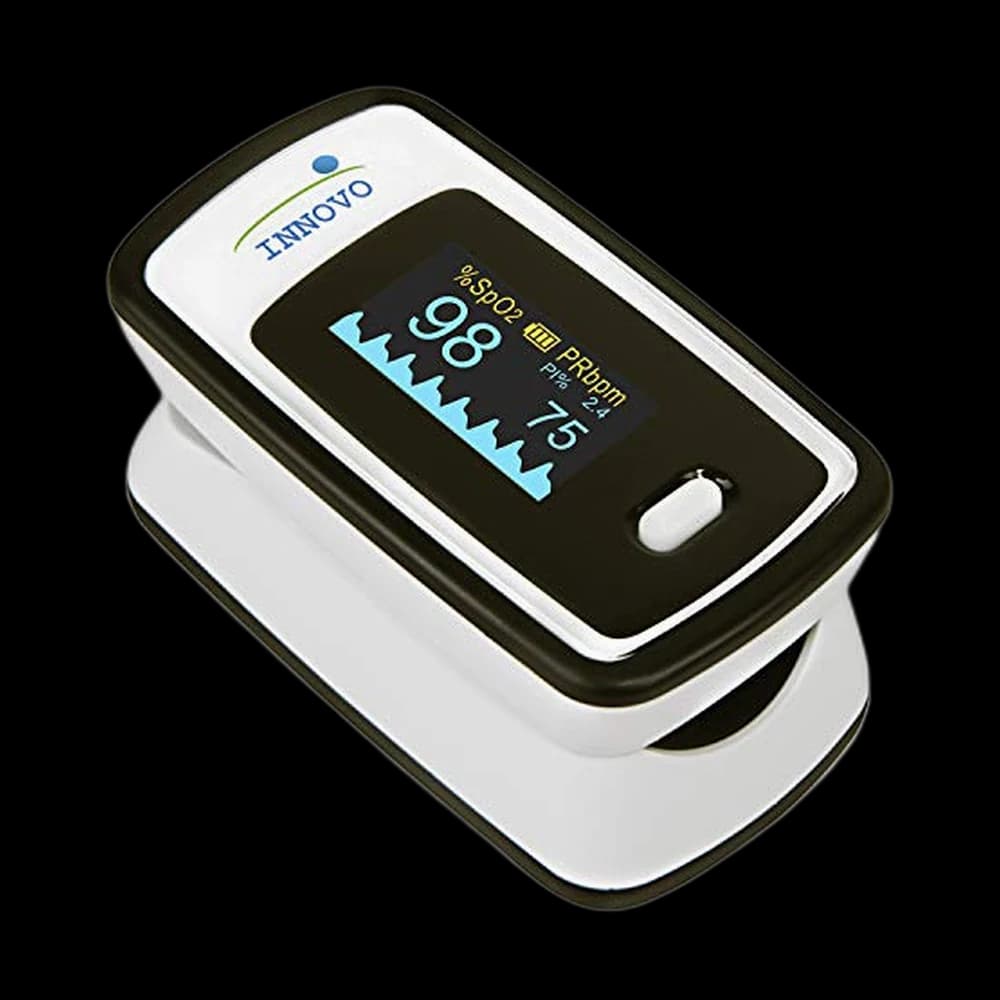
#1Leatherman Raptor Rescue 6-in-1 Shears Owner rating4.9(117) | #2Nitecore MT06MD High-CRI Medical Penlight Owner rating4.6(249) | #3Littmann Classic III Monitoring Stethoscope (5620) Owner rating4.8(45,973) | #4Casio MDV106 Duro 200M Dive Watch Owner rating4.7(32,030) | #5ADC Prosphyg 760 Pocket Aneroid Sphygmomanometer Owner rating4.6(1,778) | #6Innovo Deluxe iP900AP Fingertip Pulse Oximeter Owner rating4.6(50,776) | |
|---|---|---|---|---|---|---|
|  |  |  |  |  | |
| NurseComforts Score | ||||||
| Verdict | Folding shears with the field tools EMS actually uses: strap cutter, ring cutter and glass breaker. | One light for pupils and dark rooms: it starts on a low exam mode and steps up to a working beam. | The default personal stethoscope: tunable on both sides, durable and easy to replace parts for. | A watch built to survive weather, washing and a rough shift, with a sweep second hand for rates. | A personal manual cuff for event and standby work, built to hold calibration. | The fingertip oximeter to own if you work events: a waveform and perfusion index show when a reading is suspect. |
| Price | ~$79.95Buy on Amazon Price checked Oct 10 | ~$29.95Buy on Amazon Price checked Oct 10 | ~$98.77Buy on Amazon Price checked Oct 10 | ~$68.99Buy on Amazon Price checked Oct 10 | ~$35.31Buy on Amazon Price checked Oct 10 | ~$34.99Buy on Amazon Price checked Oct 10 |
| Role on shift | Cutting clothing, straps and seatbelts | Pupil checks and finding things in the dark | Blood pressures, lung sounds | Rates, times for the run report | Manual blood pressure when the kit is not yours | SpO2 and pulse rate spot checks without a monitor |
| Key stated spec | 420HC stainless shears; 5.8 oz; 25-year warranty (Leatherman) | 4 lumen default low, 180 lumen high, CRI above 90 (Nitecore) | Stainless dual-sided chestpiece; 27 in tubing (Littmann) | 200 m water resistance; analog quartz with sweep second hand | 300 mmHg manometer; adult cuff fits 9-15.7 in (ADC) | 70-100% SpO2 range, plus or minus 2% (Innovo) |
| Carry | Holster on belt or cargo pocket | Pocket clip; 2x AAA included | Around the neck or in a case in your bag | Wrist, resin band | Personal bag or event kit | Pocket or lanyard; 2x AAA included |
| Buyer sentiment | Quality Sharpness Buyers praise quality and sharpness. Based on 23 user mentions | Brightness Build Quality Versatility Value for money Buyers praise brightness, build quality and versatility. Mixed feedback on brightness settings and battery life. Some flag value for money. Based on 135 user mentions | Sound Quality Value for money Color Enjoyment Buyers praise sound quality, value for money, color and enjoyment. Mixed feedback on durability. Based on 3,368 user mentions | Appearance Value for money Durability Timekeeping Buyers praise appearance, value for money, durability and timekeeping. Mixed feedback on size. Based on 11,669 user mentions | Effectiveness Accuracy Versatility Construction Velcro Durability Air Containment Buyers praise effectiveness, accuracy, versatility and construction. Mixed feedback on cuff size. Some flag velcro durability and air containment. Based on 549 user mentions | Quality Accuracy Value for money Readability Buyers praise quality, accuracy, value for money and readability. Mixed feedback on reliability. Based on 10,957 user mentions |
| Pros |
|
|
|
|
|
|
| Cons |
|
|
|
|
|
|
* Prices are approximate. Click Buy to see current pricing on Amazon.
An EMT's personal gear list is short because the ambulance carries the heavy kit: buy good trauma shears, a penlight, a stethoscope and a watch with a second hand, and keep gloves in a pocket. For shears, the Leatherman Raptor Rescue 6-in-1 Shears are the pick if you want one tool that also cuts straps and breaks glass; a cheap two-pack is the right call if shears disappear on your service. A personal BP cuff and pulse oximeter are worth buying mainly for event and standby work.
How we chose. We read each maker's own specifications and the recurring advice EMTs give new partners. We do not test gear, and every spec below is what the manufacturer states.
What the rig carries, and what you carry
The Bureau of Labor Statistics describes EMS work as physically strenuous, indoors and outdoors in all weather, with considerable time spent kneeling, bending and lifting. That shapes the kit. Anything heavy, shared or restocked after a call belongs on the truck or in the jump bag: the monitor, oxygen, suction, the BP cuffs and the trauma supplies.
What goes on your body is what you reach for on almost every call, often before you open a bag. EMTs describing their pockets name the same short list again and again: gloves, shears, a penlight, pens and a notepad. Everything on this page fits that list or supports it.
The kit, piece by piece
1. Leatherman Raptor Rescue 6-in-1 Shears — shears with field tools
Check price on Amazon →For hospital nurses we usually argue against Raptors, because the extras go unused indoors. EMS is the exception. Leatherman lists six tools: 420HC shears, a strap cutter, a ring cutter, a carbide glass breaker, an oxygen tank wrench and a ruler, plus a utility holster that lets the shears lock in for a fast draw. Seatbelts, rings on a swollen finger and a car window are field problems. The 25-year warranty is real value if you keep it.
The tradeoff is loss. Shears get handed to a partner, set down on scene and gone. If that happens to you often, buy the Madison Supply two-pack and treat them as consumables, or carry both: the Raptor for tough material, a cheap pair for the messy cuts. Our trauma shears guide compares fixed and folding pairs in detail.
2. Nitecore MT06MD High-CRI Medical Penlight — one light for two jobs
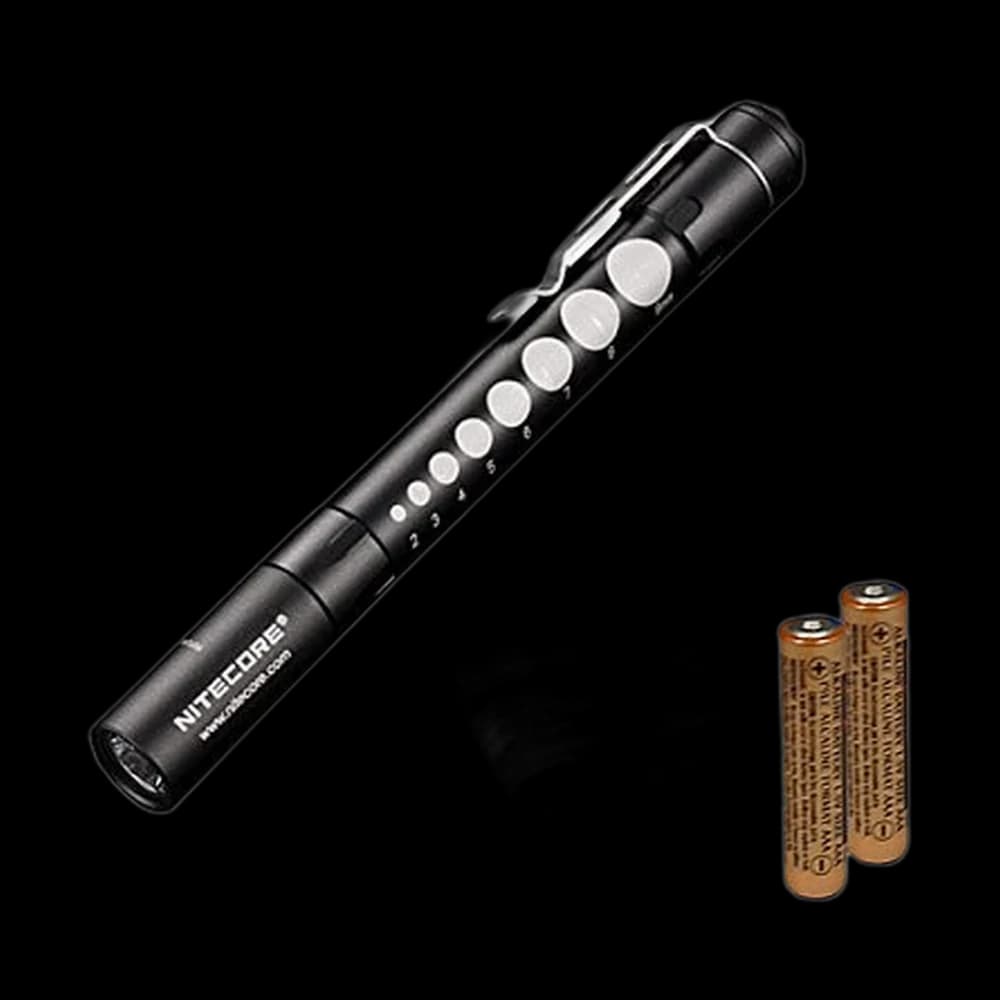
Check price on Amazon →EMTs need a penlight for pupils and a brighter light for a dark stairwell or a dropped cap under a seat. Nitecore designed the MT06MD around both: it turns on at a 4 lumenlumensTotal light output from a source. On penlights more is not better: a very bright emitter aimed at an eye is unpleasant and washes out what you are trying to see. Beam evenness, tint and the presence of a low mode matter more than the headline lumen number. low mode so you do not flash a patient, steps up to 180 lumens, and states a color rendering indexCRIColor Rendering Index, a 0-100 measure of how faithfully a light source renders colour compared with a reference. Penlights with a high-CRI, warmer-tinted emitter show skin tone more naturally than a cheap cool-blue LED; the trade is usually a lower lumen figure. above 90. It runs on two AAA cells and has a steel clip.
If you lose penlights as fast as shears, a two-pack with a pupil gauge costs less than lunch. Our penlight guide covers the rest.
3. Littmann Classic III Monitoring Stethoscope (5620) — your own scope
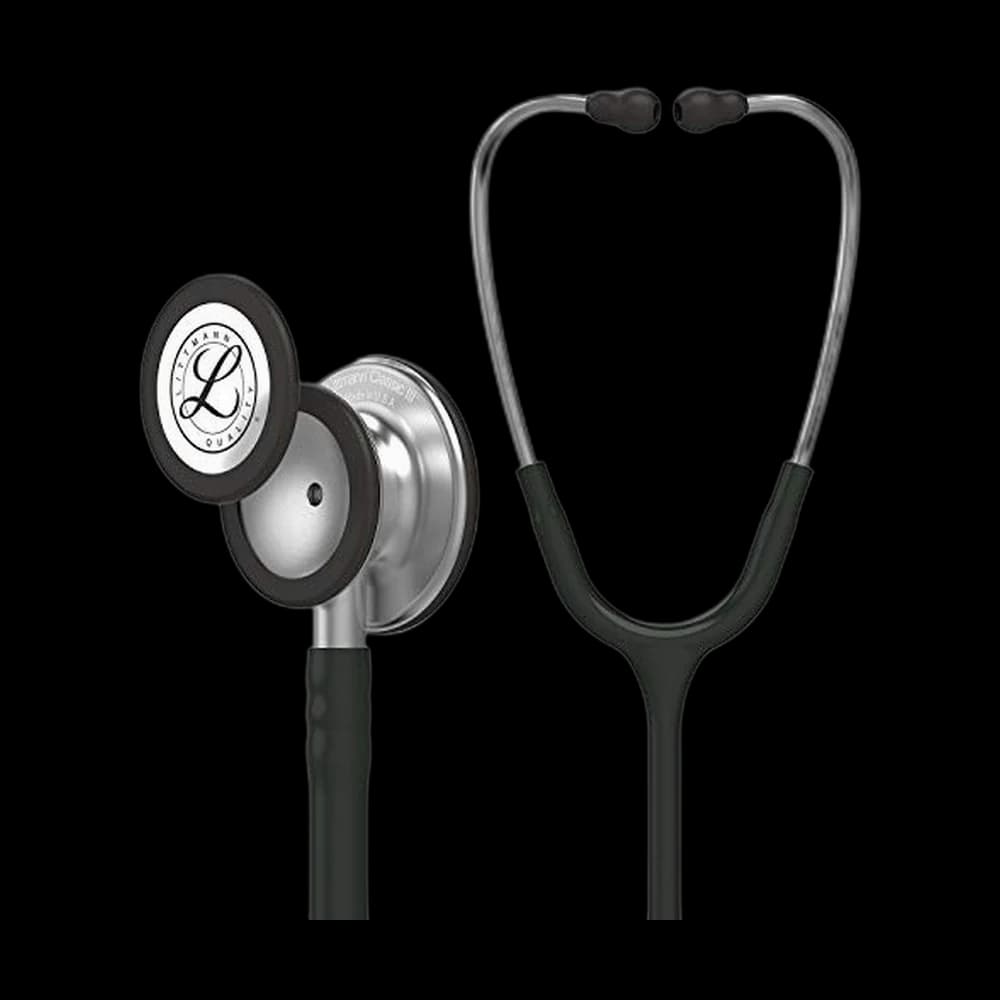
Check price on Amazon →Most services stock a stethoscope, but it is the one piece of personal medical equipment many EMTs choose to buy, for fit and for knowing it works. The Classic III has a tunable diaphragmtunable diaphragmA single-sided chestpiece that behaves like a bell under light pressure and like a diaphragm under firm pressure, so you change register by changing how hard you press instead of flipping the head. It is the defining feature of most modern cardiology-class stethoscopes. on both sides and a five-year warranty per Littmann. In a moving ambulance a cardiology scope adds little, so this tier is enough. For a lighter or cheaper option, see our stethoscope guide.
4. Casio MDV106 Duro 200M Dive Watch — a watch that survives the job
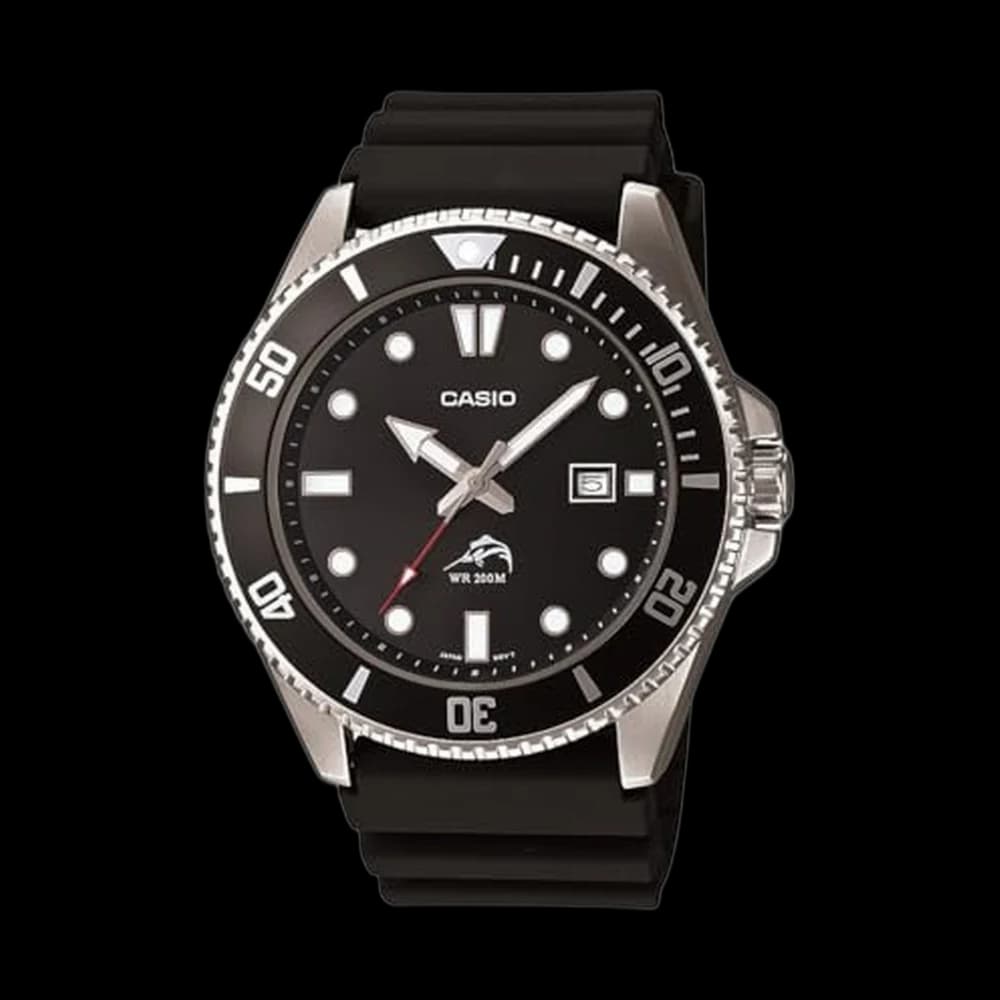
Check price on Amazon →You need a second hand for rates and a reliable time for the run report, often outdoors and in rain. Casio rates the MDV106 to 200 m, and the sweep second hand and luminous markers read in the dark. It is big, so it can catch on glove cuffs. The cheaper Casio F-91W adds a stopwatch and a light but states no depth rating. More options are in our watch guide.
5. ADC Prosphyg 760 Pocket Aneroid Sphygmomanometer — for events and standbys
Check price on Amazon →On a 911 truck you will use the service's cuffs. At events, standbys and volunteer calls, the kit you are handed may be unfamiliar or failing, and a personal manual cuff is cheap insurance. ADC states the 760 exceeds ANSI/AAMI/ISO 81060-1 accuracy specifications and backs it with a 20-year calibration warranty. It does not include a stethoscope. Our BP cuff guide compares manual and automatic options.
6. Innovo Deluxe iP900AP Fingertip Pulse Oximeter — only if you need one
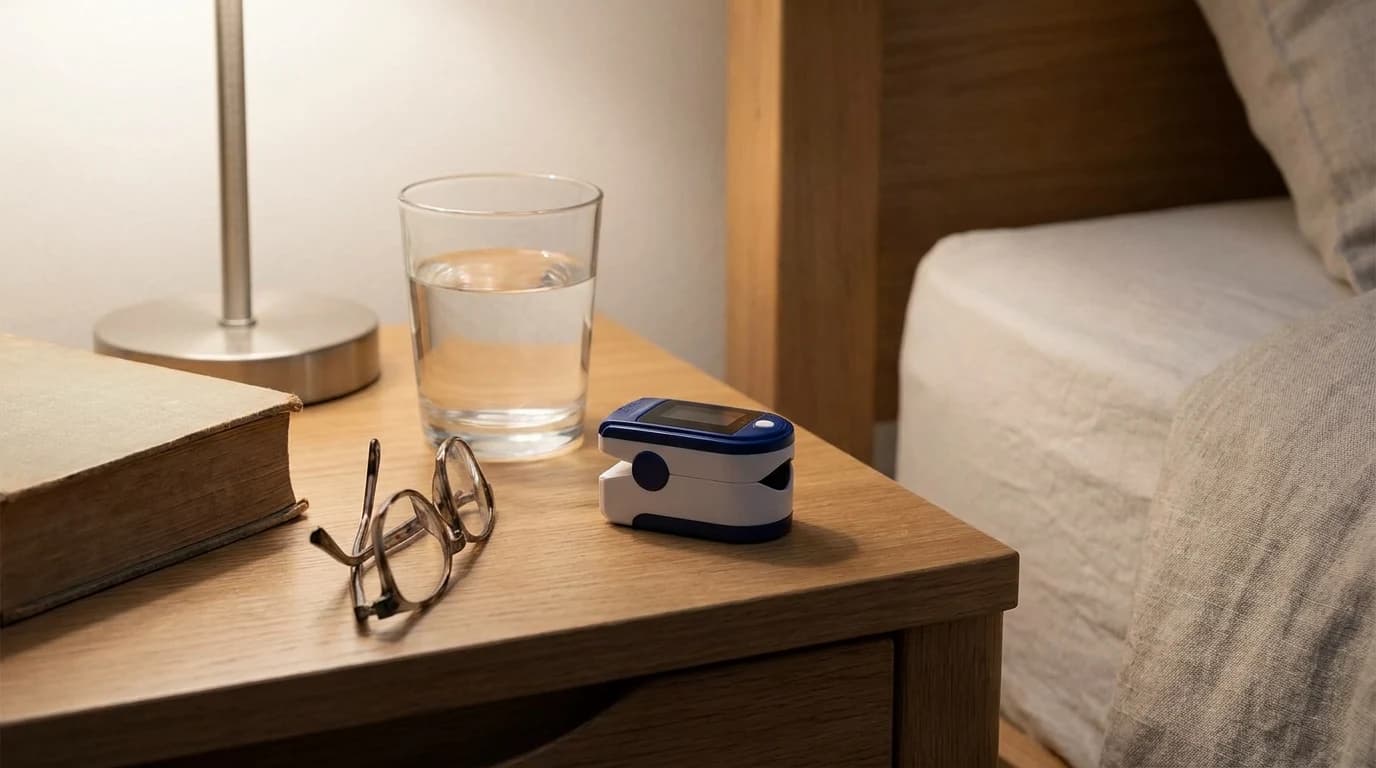
Check price on Amazon →On an ALS unit the cardiac monitor already reads SpO2SpO2Peripheral oxygen saturation - the percentage of haemoglobin carrying oxygen, as estimated by a pulse oximeter shining light through a fingertip. It is an estimate from an optical model, not a direct measurement, and manufacturers publish an accuracy range for it. Interpreting any reading is clinical judgement, not something a gear review can supply., so a personal oximeter matters most for BLS event work. If you buy one, buy a unit that shows a waveform and perfusion indexperfusion indexA number some pulse oximeters display alongside saturation, indicating how strong the pulsatile signal at the sensor site is. A weak signal is the usual reason a reading will not settle. Devices that show a waveform or a perfusion figure let you see that the number is unstable rather than trusting a number that should not be trusted., so you can tell a real trace from a cold finger or a moving hand. Innovo states the iP900AP is FDA clearedFDA clearedA device that has been through the FDA's 510(k) premarket notification pathway for its stated intended use. It is not the same as 'FDA approved', and many oximeters and thermometers sold online are labelled for general wellness or sporting use rather than clinical use. The label on the box states which - and we report what it states rather than what the listing implies. with a 70 to 100 percent range. Some cheap clips are labelled for sports and aviation use rather than as medical devices; our pulse oximeter guide explains the difference. Readings are a number to check against the patient, never a substitute for assessing them.
EMT or paramedic: what changes
The personal list barely changes with certification. Paramedics on ALS units work off the monitor and carry more in the bags, so a personal oximeter is even less useful to them. What does change is volume: more calls per shift means more chances to lose shears and penlights, which argues for cheap spares over one precious tool.
Boots: the gear we do not list
Boots matter more in EMS than in any hospital role, because you kneel on roadsides, climb stairs with a stretcher and work in weather. We do not list duty boots yet, so we have no pick to sell you. If you are shopping, check your service's uniform policy first, then look for a side zip for fast on and off, an outsole the maker states is slip- and oil-resistant, waterproofing, and a safety toe only if your service requires one. Break them in before your first long shift.
The short version
| Item | Buy | Skip it if |
|---|---|---|
| Shears | Leatherman Raptor Rescue, or a cheap two-pack | You lose shears weekly |
| Penlight | Nitecore MT06MD | You lose penlights weekly; buy a two-pack |
| Stethoscope | Littmann Classic III | Your service issues one you like |
| Watch | Casio MDV106 | You already wear a rugged watch with a second hand |
| BP cuff and pulse ox | ADC Prosphyg 760, Innovo iP900AP | You only work 911 trucks with full kits |
Cheaper alternative
Leatherman Raptor Rescue 6-in-1 Shears ($79.95) is our #1 pick here. If that is more than you want to spend, this is a cheaper option in the same category — our researched verdict on it is below.
Madison Supply 7.5 in Trauma Shears, 2-Pack
Two pairs of fluoride-coated stainless shears for less than the price of a decent lunch, which is the only strategy that survives a unit where shears migrate. The non-stick coating is the point: tape adhesive wipes off instead of building into a gummy ridge, and Madison Supply states they are autoclavable to 290F. The honest tradeoff is edge life, since budget coated shears dull noticeably faster than premium steel and there is no meaningful warranty to fall back on.