Clinical Tools
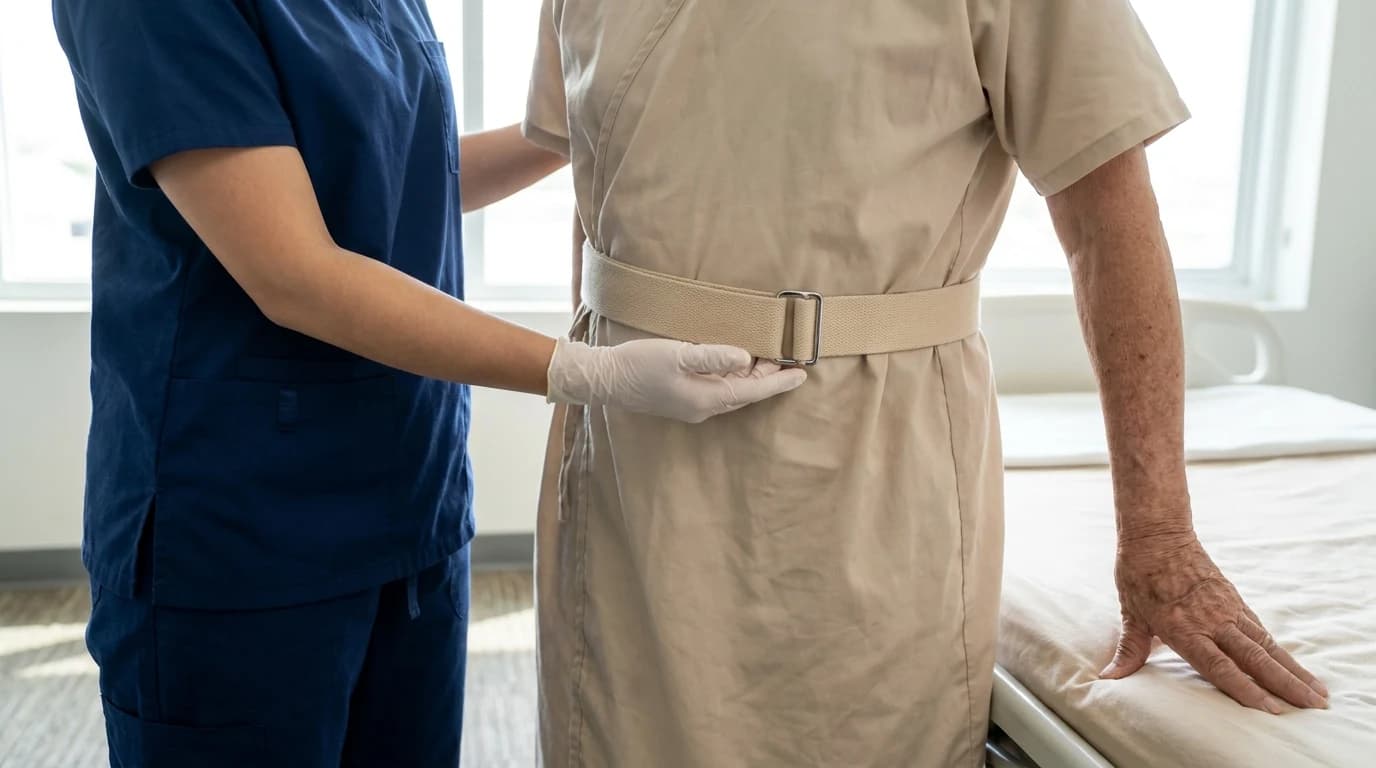
How to Use a Gait Belt: Fit, Placement and Picking One
Understand what a gait belt can do, rehearse fitting with your instructor, and choose the buckle, fit and cleaning method your setting requires.
Read the guide →One deep guide per category. Each post has a top pick, a side-by-side comparison table, paraphrased community consensus, and the NurseComforts Score on every product.
Showing 10 articles in Clinical Tools
Understand what a gait belt can do, rehearse fitting with your instructor, and choose the buckle, fit and cleaning method your setting requires.
Read the guide →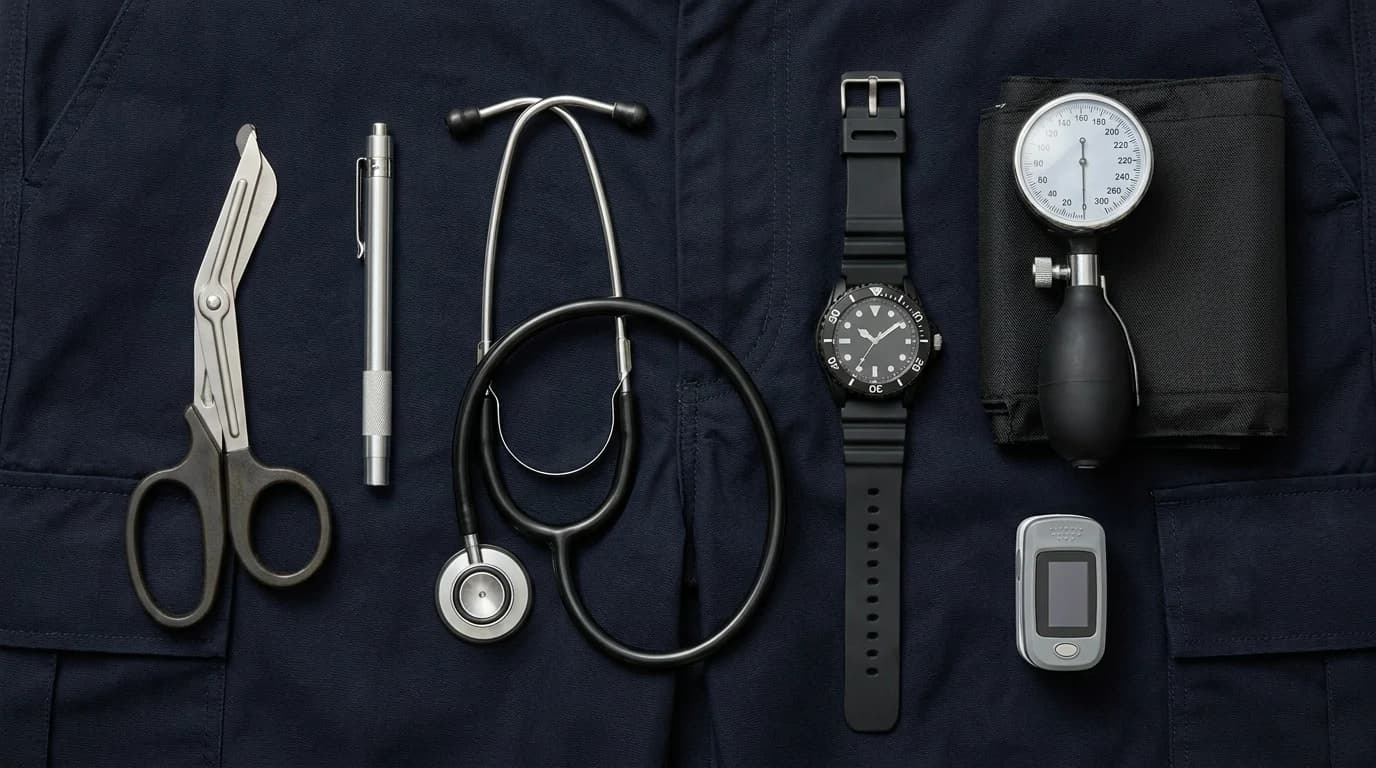
The rig carries most of the kit. The personal EMT gear list is short, and these are the pieces worth owning.
Read the guide →
Buy a dual-sided scope, engrave it the week it arrives, and skip the Cardiology IV until you have a job and a locker.
Read the guide →
Use the diaphragm, pressed firmly, for high-pitched sounds like breath sounds and most normal heart sounds, and the bell, rested lightly, for low-pitched sounds
Read the guide →
The upgrade most nurses consider and half regret. What Littmann actually changed between the Classic III and Cardiology IV, what it costs you in neck weight, an
Read the guide →
A manual aneroid set and an automatic home monitor solve different problems, and buying the wrong one is the main mistake in this category.
Read the guide →
A penlight needs a printed pupil gauge and a low enough output, and most lights sold to nurses get one of those wrong.
Read the guide →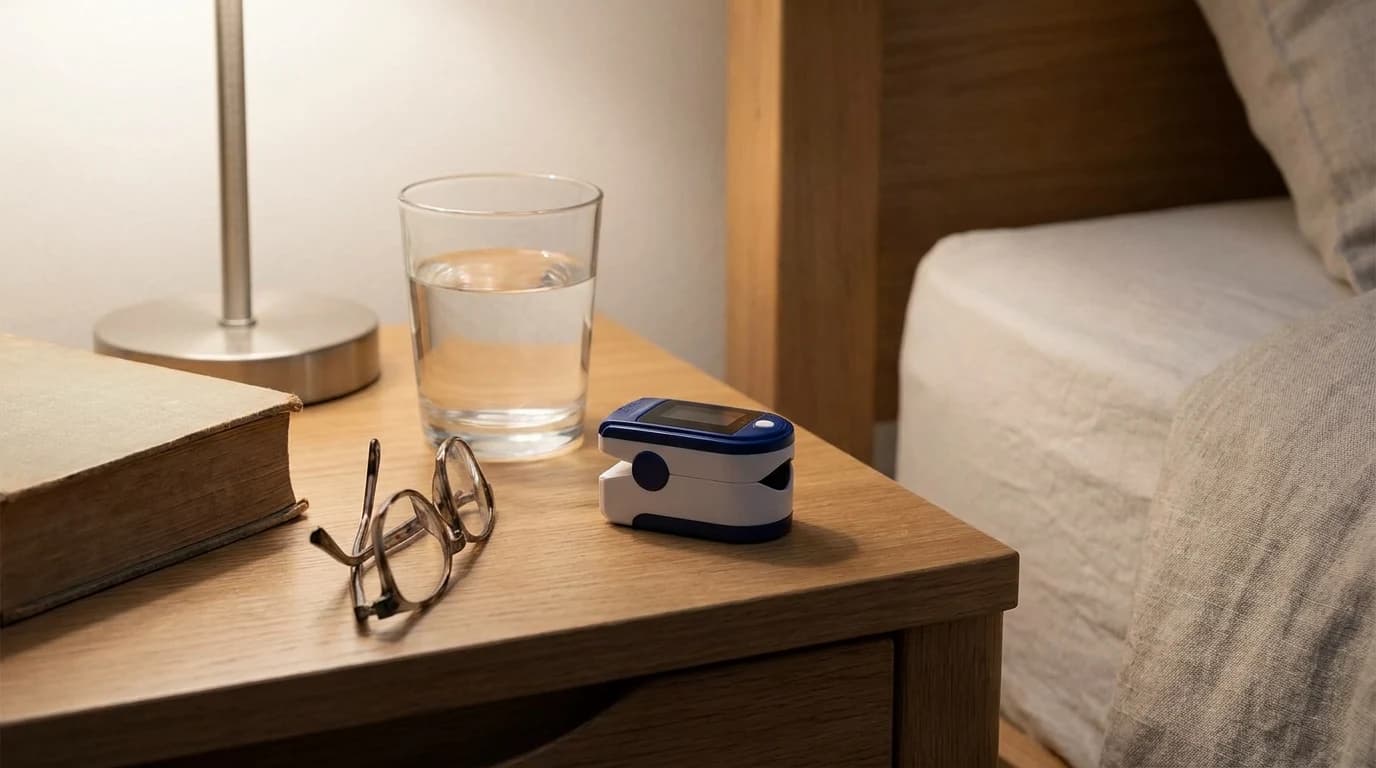
The useful question is not which clip claims the best accuracy, but which one gives you any way to judge the number it just displayed.
Read the guide →
The Littmann Classic III is the right scope for most floor nurses, but weight, warranty and theft risk should decide it for you.
Read the guide →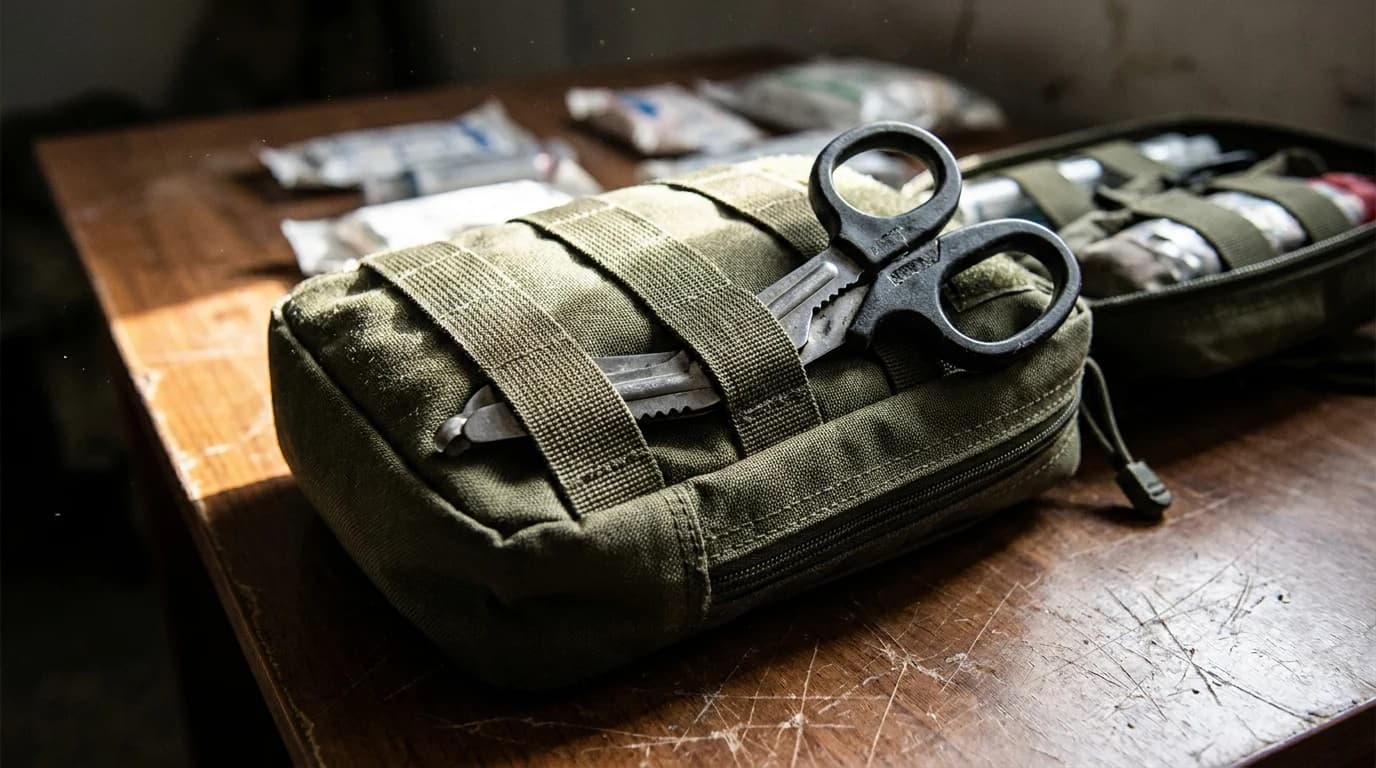
The XShear 7.5 in Extreme Duty is the trauma shear most nurses and EMTs should own if they keep track of their shears; if shears vanish on your unit, buy the Ma
Read the guide →